- Infrared Sauna Las Vegas | Cold Plunge & Cryotherapy

Athletic recovery is defined as the deliberate process of restoring the body’s physical and mental capacity after exercise, enabling you to train harder, perform better, and stay injury-free. Sports medicine professionals use the term “recovery and regeneration” to capture both the short-term restoration of energy stores and the longer-term structural repair of muscle tissue. The American Council on Exercise recognizes recovery as a non-negotiable pillar of any training program, not an optional add-on. Without it, adaptation stalls, fatigue compounds, and injury risk climbs. Whether you train in a Las Vegas gym five days a week or compete at an elite level, understanding how recovery works gives you a real edge.
Recovery is not a single event. It is a cascade of biological processes that begin the moment your workout ends.
The body prioritizes two things immediately after exercise: restoring glycogen (the fuel stored in muscle and liver) and repairing damaged muscle fibers through a process called muscle protein synthesis. These two processes run on different timelines and respond to different inputs, which is why nutrition timing matters so much.
Recovery and regeneration are distinct processes. Recovery restores acute function, such as glycogen levels and neuromuscular readiness, while regeneration refers to structural remodeling like muscle fiber repair. Treating them as the same thing leads to misapplied tools and wasted effort.
Beyond muscle, your body also works to:
Each of these processes depends on sleep, nutrition, and time. Skipping any one of them slows the others down.
Nutrition is the fastest lever you can pull to accelerate recovery after training. The timing and composition of what you eat directly determines how quickly your muscles refuel and repair.
Post-exercise athletes should consume carbohydrates and protein in a 3:1 or 4:1 ratio to maximize glycogen resynthesis and muscle repair when recovery falls within 24 hours. That means a meal like rice with chicken, or a smoothie with oats and protein powder, is more than just convenient. It is calibrated fuel. Optimal protein intake for recovery sits at 1.6–2.2g per kilogram of body weight per day, which for a 180-pound athlete works out to roughly 130–180g of protein daily.
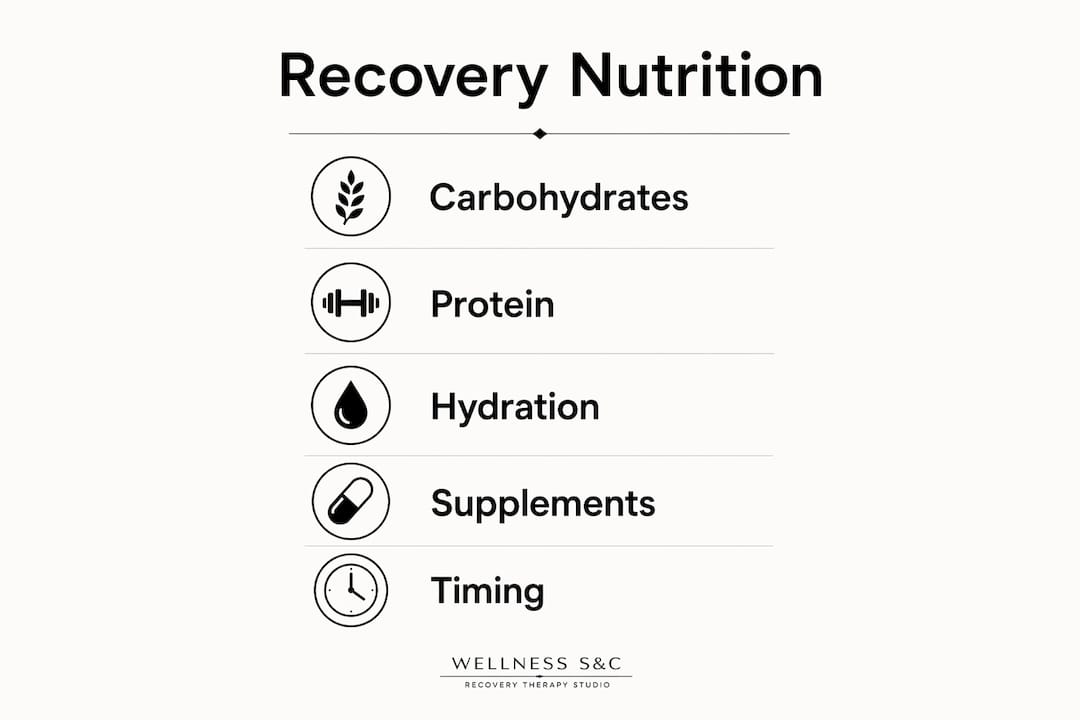
Hydration matters just as much as macronutrients. Las Vegas athletes face an added challenge: the desert heat accelerates fluid and electrolyte loss, even during moderate activity. Replacing sodium and potassium through whole foods or electrolyte drinks is not optional in this climate.
Supplements with solid research support include branched-chain amino acids (BCAAs), creatine, and Vitamins C and E. These do not replace food, but they can fill gaps when training volume is high.
Pro Tip: Eat your recovery meal within 30–45 minutes of finishing your workout. This window is when muscle cells are most receptive to glucose and amino acids, making the same food more effective than it would be two hours later.
The range of recovery strategies for athletes has expanded well beyond ice bags and foam rollers. Research now supports a tiered approach, matching the right modality to the right goal.
Active recovery increases blood circulation, helping remove metabolic waste and delivering nutrients to repair muscles, ligaments, and tendons. A 20-minute walk or easy bike ride the day after a hard session does more for next-session performance than lying on the couch. That said, complete rest days are still necessary. The body needs periods of zero mechanical stress to allow structural repair.
Cold therapy is one of the most discussed tools in sports recovery, but timing is everything. Cold therapy immediately after hypertrophy training blunts muscle protein synthesis. Waiting 4–6 hours before applying cold avoids interfering with muscle growth signaling. If your goal is endurance performance or soreness reduction rather than muscle building, cold immersion right after training is appropriate.

Far-infrared therapy is most effective for restoring jump height, while intermittent negative pressure therapy ranks highest for muscle damage repair. Portable cold compression therapy shows strong results for alleviating muscle soreness. Each tool has a specific application. Using the wrong one at the wrong time reduces its benefit.
| Modality | Primary benefit | Best timing |
|---|---|---|
| Active recovery (light cardio) | Clears metabolic waste, improves circulation | Day after intense training |
| Cold plunge or cold compression | Reduces soreness, lowers inflammation | 4–6 hours post-hypertrophy; immediately post-endurance |
| Far-infrared sauna | Restores power output, supports heat acclimation | Rest days or low-intensity days |
| Red light therapy | Supports muscle repair, reduces inflammation | Pre or post-training |
| Sleep (8+ hours) | Full systemic recovery, hormonal reset | Every night, non-negotiable |
Infrared sauna therapy promotes heat acclimation, improving plasma volume and endurance performance. For Las Vegas athletes already training in heat, this adaptation has direct carryover to outdoor performance.
Pro Tip: Do not use cold plunge and infrared sauna interchangeably. They serve different physiological goals. Use infrared sauna on rest days for endurance adaptation, and save cold plunge for post-competition soreness or congested training schedules.
Recovery must be periodized alongside training intensity. What works during a low-volume base phase differs from what your body needs during a competitive season. Treating recovery as a fixed routine regardless of training load is one of the most common planning mistakes athletes make.
Recovery must be periodized alongside training intensity, and the right approach shifts as training demands change. During high-volume weeks, passive recovery and sleep take priority. During taper or transition phases, active recovery and mobility work become more valuable.
Practical guidelines for structuring your recovery week:
Elite soccer players with less than 72 hours of recovery show a 12–15% reduction in sprint distance. That number reflects what happens when recovery is treated as optional rather than structural. For recreational athletes, the consequences are less dramatic but the principle is identical.
Athletic recovery is the structured process of restoring physical and mental function after training, and it requires sleep, nutrition, active recovery, and targeted therapies applied at the right time.
| Point | Details |
|---|---|
| Recovery and regeneration differ | Recovery restores glycogen and readiness; regeneration repairs muscle structure. Apply tools accordingly. |
| Nutrition timing accelerates repair | Eat a 3:1 or 4:1 carb-to-protein meal within 45 minutes of training to maximize glycogen resynthesis. |
| Cold therapy timing matters | Wait 4–6 hours after hypertrophy training before using cold immersion to protect muscle growth signals. |
| Sleep is the foundation | Eight or more hours in a cool, dark room outperforms every recovery device on the market. |
| Periodize your recovery | Match recovery methods to training phase. High-volume weeks demand more passive rest and sleep. |
Most athletes I have worked with do not have a recovery problem. They have a priority problem. They spend money on compression boots and cold plunge memberships while staying up until midnight scrolling their phones. Then they wonder why they feel flat at practice.
Many athletes overly rely on recovery gadgets while neglecting core recovery habits, which undermines the effectiveness of every tool they use. A cold plunge cannot fix a cortisol spike caused by four hours of sleep. An infrared sauna session cannot undo the damage of skipping post-workout nutrition for three days straight.
The detail that surprises most people: caffeine has a half-life of 5–6 hours. A 3 PM coffee is still half-active in your bloodstream at 9 PM. Athletes who insist they are “not sensitive to caffeine” are often the same ones who cannot figure out why their sleep quality is poor. Cutting caffeine after 2 PM is one of the highest-return changes you can make with zero cost.
The athletes who recover best are not the ones with the most gadgets. They are the ones with the most consistent routines. Sleep at the same time. Eat within the window. Move on rest days. Add therapies on top of that foundation, not instead of it. In Las Vegas, where late nights and irregular schedules are part of the culture, that consistency is genuinely hard. It is also genuinely worth it.
— Argjenta
Athletes in Las Vegas have direct access to therapies that most people only read about.
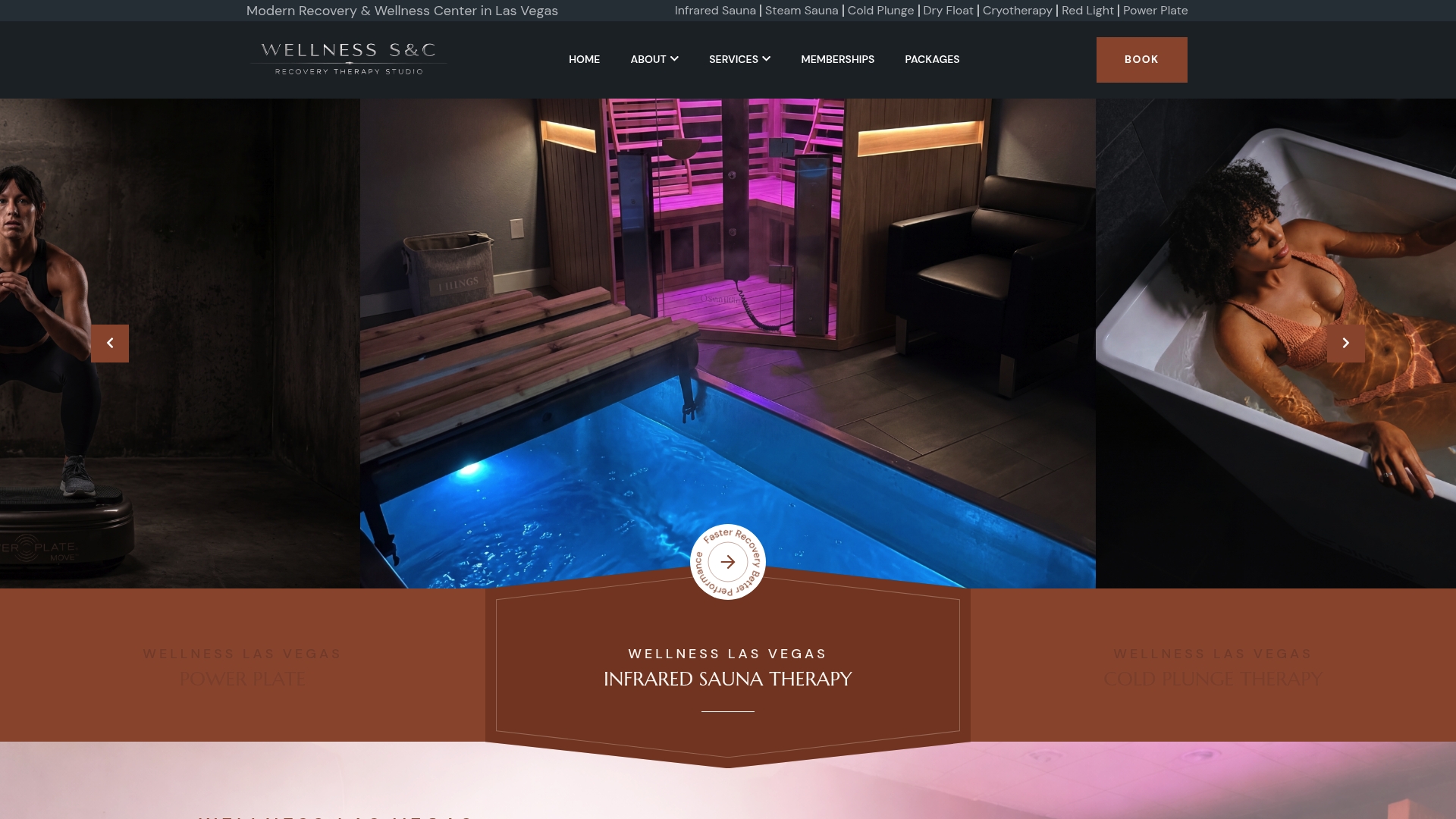
Wellnesslasvegas offers infrared sauna for athletes, cold plunge, cryotherapy, red light therapy, and dry float therapy, all in a private, professional setting built for performance-focused recovery. These are not spa amenities. They are science-backed modalities used by serious athletes to reduce soreness, restore power output, and prepare for the next training session. You can also explore contrast therapy combining cold plunge and sauna for a structured recovery protocol that fits any training schedule. Book a session at Wellnesslasvegas and experience what structured recovery actually feels like.
Athletic recovery is the process your body uses to repair muscle, restore energy, and return to full function after exercise. It includes sleep, nutrition, hydration, and targeted therapies.
Basic recovery from a moderate workout takes 24–48 hours. Full structural repair of muscle tissue after intense training can take 72 hours or more, depending on training volume and individual factors.
Signs of good athletic recovery include a stable resting heart rate, consistent energy levels, normal mood, and muscle soreness that clears within 48–72 hours of training.
Cold therapy is most effective for soreness and endurance recovery. If your goal is muscle growth, wait 4–6 hours after training before applying cold to avoid blunting muscle protein synthesis.
Yes. Infrared sauna promotes heat acclimation and improves plasma volume, which supports endurance performance. It is best used on rest days or after low-intensity sessions rather than immediately after heavy strength training.

