- Infrared Sauna Las Vegas | Cold Plunge & Cryotherapy

Alternative recovery is defined as an integrative approach to healing that combines evidence-based, holistic therapies with personalized support systems to improve rehabilitation outcomes beyond standard clinical care. For athletes managing injuries, Las Vegas wellness seekers, and people living with chronic pain, understanding alternative recovery methods opens the door to faster healing, better stress management, and stronger long-term health. The National Institute on Alcohol Abuse and Alcoholism (NIAAA) recognizes that behavioral healthcare and medication-assisted treatment work best when complemented by secular mutual-support groups and personalized therapies. Wellnesslasvegas applies this same principle across injury rehabilitation and wellness services in Las Vegas.
Alternative recovery is a broad category of non-traditional healing practices that work alongside, not instead of, conventional medical treatment. The industry term for this approach is “integrative recovery,” and it covers everything from mindfulness and meditation to acupuncture, neurofeedback, and nature-based therapies. These methods address the physical, emotional, and behavioral dimensions of healing at the same time.
The core difference from traditional clinical-only approaches is focus. Standard rehabilitation targets symptoms and physical repair. Alternative recovery methods target root causes, including stress responses, nervous system dysregulation, and emotional patterns that slow healing. Non-12-step recovery emphasizes building internal self-efficacy and self-management skills rather than relying on a fixed program identity. That shift in focus produces measurably different outcomes.
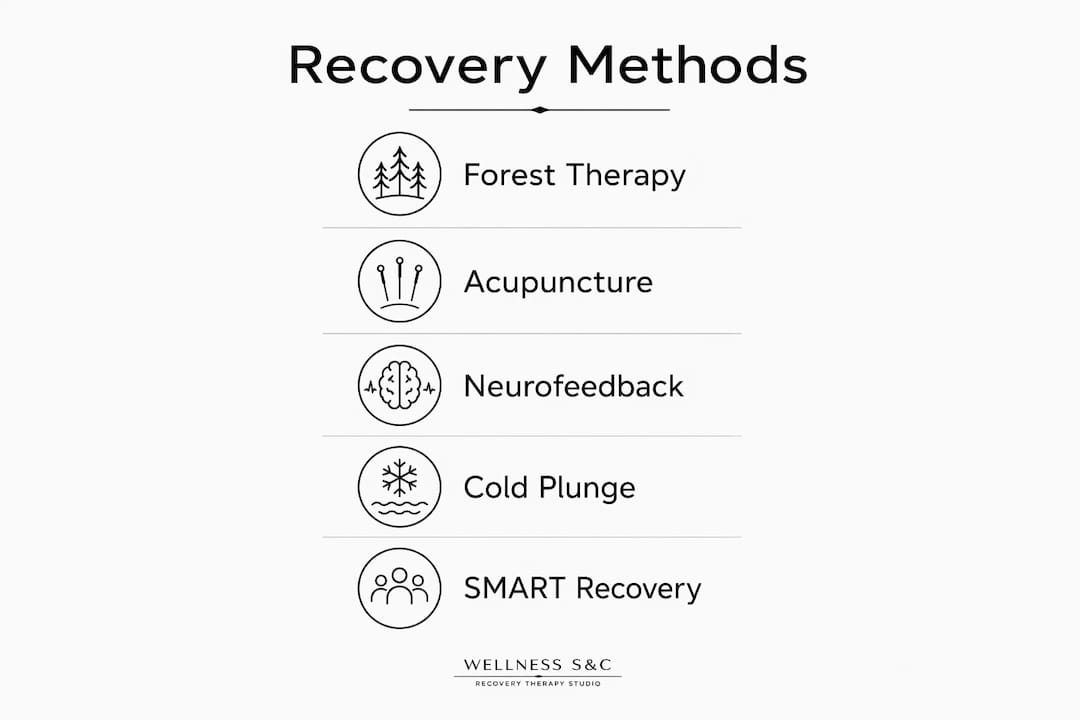
Common alternative recovery methods include:
Pro Tip: Start with one or two methods that match your current biggest barrier. If sleep and stress are your primary obstacles, mindfulness and forest therapy are the most direct entry points. If physical pain is the main issue, acupuncture and neurofeedback address it at the nervous system level.
Alternative recovery works by targeting the body’s stress response systems, neuroplasticity, and emotional processing pathways. These are the same systems that conventional rehabilitation often leaves unaddressed. When you experience injury or chronic pain, your nervous system shifts into a prolonged stress state. That state raises cortisol, disrupts sleep, and slows tissue repair. Alternative recovery techniques directly interrupt this cycle.
Integrative medicine therapies like acupuncture and neurofeedback regulate the nervous system, helping manage cravings and emotional reactivity. This nervous system regulation is the mechanism that makes these therapies more than relaxation tools. They create measurable physiological change.
The numbers support this. Structured forest therapy reduces stress hormones by 70% and substance use symptoms by the same margin. That level of reduction rivals pharmaceutical interventions for stress-related conditions. Adventure-based recovery programs achieve about 20% recidivism, compared to 37% in traditional clinical treatment alone. The gap exists because immersive outdoor challenges build transferable self-efficacy skills that carry into daily life.
Here is how alternative and traditional recovery outcomes compare:
| Outcome area | Traditional clinical approach | Alternative integrative approach |
|---|---|---|
| Recidivism rate | ~37% | ~20% (adventure-based programs) |
| Stress hormone reduction | Moderate (medication-dependent) | Up to 70% (forest therapy) |
| Emotional regulation | Therapy-session dependent | Ongoing skill development |
| Self-efficacy | Variable | High (skill-acquisition focus) |
| Peer support structure | Clinician-led | Peer and community-led options |
Pro Tip: Alternative recovery works fastest when you pair it with your existing clinical care. Think of it as adding a second engine, not replacing the first. Neuroplasticity research confirms that the brain rewires more effectively when multiple reinforcing inputs arrive at once.
The primary benefit of alternative recovery is personalization. No two injuries, pain patterns, or stress histories are identical. Alternative recovery methods adapt to your specific situation rather than applying a fixed protocol. That flexibility produces better outcomes for athletes, chronic pain sufferers, and anyone pursuing long-term wellness.
Recovery outcomes improve when people integrate clinical care with peer support instead of relying on one approach alone. This finding holds across injury rehabilitation, addiction recovery, and chronic pain management. The combination effect is the key advantage.
Key benefits for athletes, wellness seekers, and people managing chronic pain:
For athletes in Las Vegas specifically, the ability to combine science-backed recovery strategies with therapies like infrared sauna and red light therapy creates a recovery plan that addresses both the body and the nervous system simultaneously.
The first step is a professional clinical assessment. Skipping this step risks choosing methods that do not match your immediate needs. If you have an undiagnosed injury, active inflammation, or a co-occurring mental health condition, some alternative therapies may need to be sequenced after stabilization, not before.
Alternative recovery functions best when it is part of a tailored plan that includes trauma therapy and medical treatment as needed. That coordination between your clinical team and your alternative recovery practices is what separates effective programs from ineffective ones.
A practical integration plan looks like this:
Avoid the common mistake of adopting a single-label identity around one method. Choosing recovery programs without clinical evaluation risks misalignment with immediate needs like detox or psychiatric stabilization. The goal is a flexible, evolving plan, not a permanent identity.
Peer support adds a social accountability layer that individual therapy alone cannot replicate. Research consistently shows that community-based support improves adherence and long-term outcomes across recovery contexts.
Alternative recovery delivers the strongest results when evidence-based holistic therapies are integrated with clinical care, peer support, and personalized physical modalities rather than used in isolation.
| Point | Details |
|---|---|
| Definition matters | Alternative recovery is integrative, not a replacement for clinical care. |
| Science backs it | Forest therapy cuts stress hormones by 70%; adventure programs reduce recidivism to 20%. |
| Personalization is the advantage | Match methods to your specific gap: sleep, pain, stress, or emotional regulation. |
| Integration is the strategy | Combine clinical assessment, peer support, and physical therapies for best results. |
| Skill-building over identity | The goal is self-efficacy and capability, not a permanent recovery label. |
Most people I talk with in Las Vegas come in thinking alternative recovery means replacing their doctor with a meditation app. That misunderstanding costs them months of progress. The real power of these methods is not that they replace clinical care. It is that they address the parts of healing that clinical care rarely touches: the nervous system, the emotional patterns, and the social environment.
I have seen athletes walk in with chronic inflammation and a physical therapy plan that is technically correct but not working. When we add infrared sauna sessions and red light therapy to regulate the body’s stress response, the physical therapy starts producing results it was not producing before. The alternative methods create the conditions for conventional treatment to work better.
The other misconception I encounter regularly is that alternative recovery is passive. Forest therapy, adventure programs, and neurofeedback are demanding. They require consistency and honest self-assessment. The skill-acquisition focus of non-traditional recovery is genuinely harder than following a fixed program, because it requires you to build real capability rather than follow rules.
My honest advice: treat alternative recovery as a skill set you are building, not a treatment you are receiving. That mindset shift changes everything about how you engage with the process and how much you get out of it.
— Argjenta
Wellnesslasvegas offers a range of therapies in Las Vegas that directly support alternative recovery goals for athletes, chronic pain sufferers, and wellness seekers.
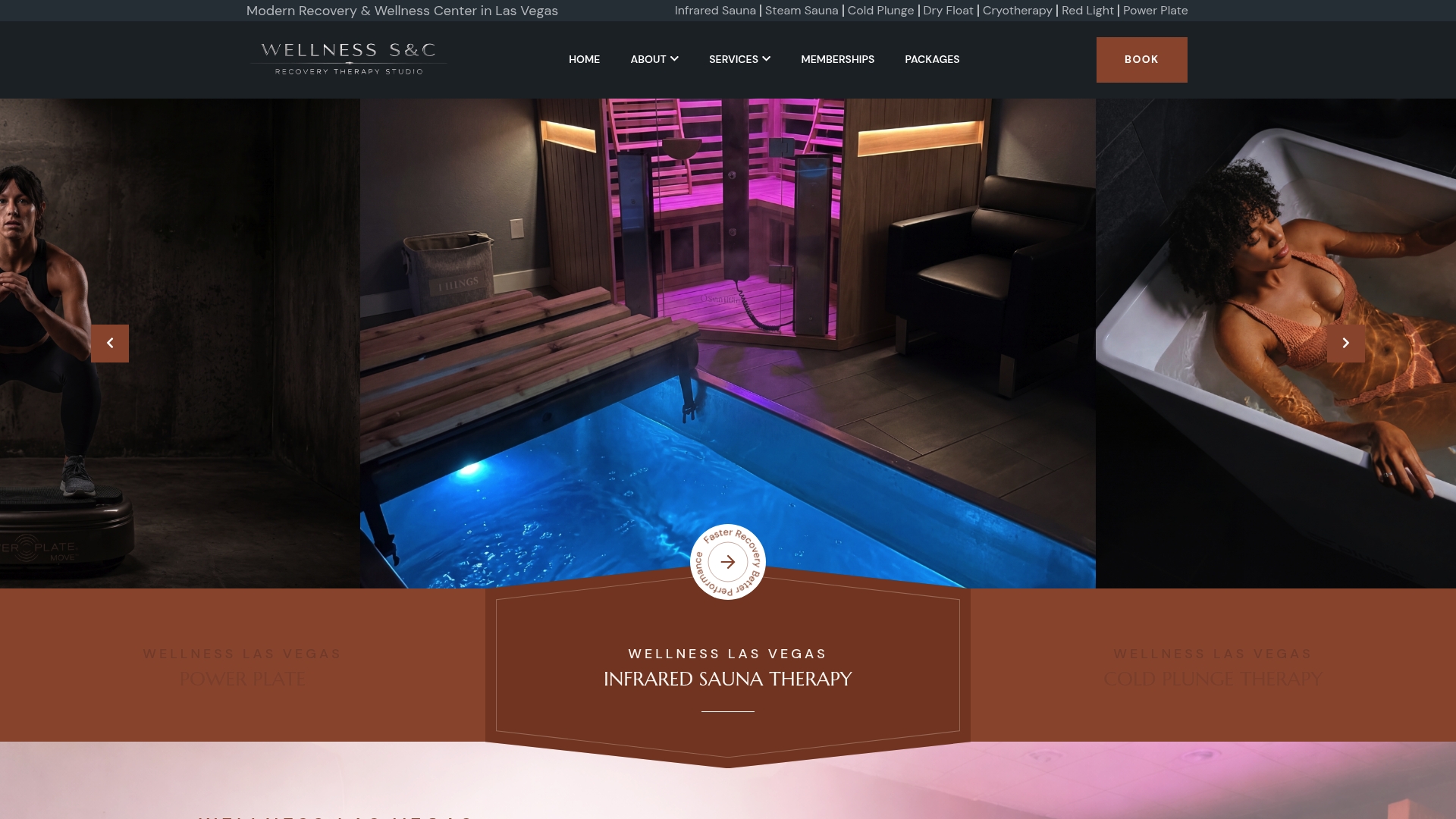
Infrared sauna therapy improves circulation, reduces inflammation, and supports full-body detoxification. Red light therapy accelerates tissue repair and reduces pain at the cellular level. Cryotherapy and contrast therapy regulate the nervous system and reduce post-activity inflammation. Zero Gravity Dry Float and Power Plate training round out a recovery program that addresses both the body and the stress response. Every session at Wellnesslasvegas is designed to complement your existing clinical care, not replace it. Book your first session and build your personalized recovery plan today.
Alternative recovery is an integrative approach that uses holistic, evidence-based therapies alongside conventional medical care to improve healing, reduce stress, and build long-term wellness.
Traditional rehabilitation focuses on physical repair through clinical protocols. Alternative recovery adds nervous system regulation, emotional processing, and peer support to address root causes that slow healing.
Forest therapy, adventure-based programs, acupuncture, neurofeedback, and SMART Recovery are among the most evidence-supported methods, with documented reductions in stress hormones and recidivism rates.
Yes. Alternative recovery is most effective when coordinated with clinical care. A professional assessment before starting ensures the methods match your immediate health needs.
Athletes benefit significantly from alternative recovery methods. Infrared sauna, red light therapy, mindfulness, and contrast therapy all reduce inflammation, improve sleep, and accelerate tissue repair between training sessions.

