- Infrared Sauna Las Vegas | Cold Plunge & Cryotherapy

Therapy is defined as any structured physical or psychological intervention that restores function, prevents injury, and supports peak output in athletes. The role of therapy in athletic performance extends well beyond treating pain. It shapes how your body moves, how your mind responds under pressure, and how quickly you bounce back after hard training. Up to 30% of injured athletes develop clinical depression or anxiety during recovery. That number alone proves that physical and psychological therapies must work together, not in isolation.
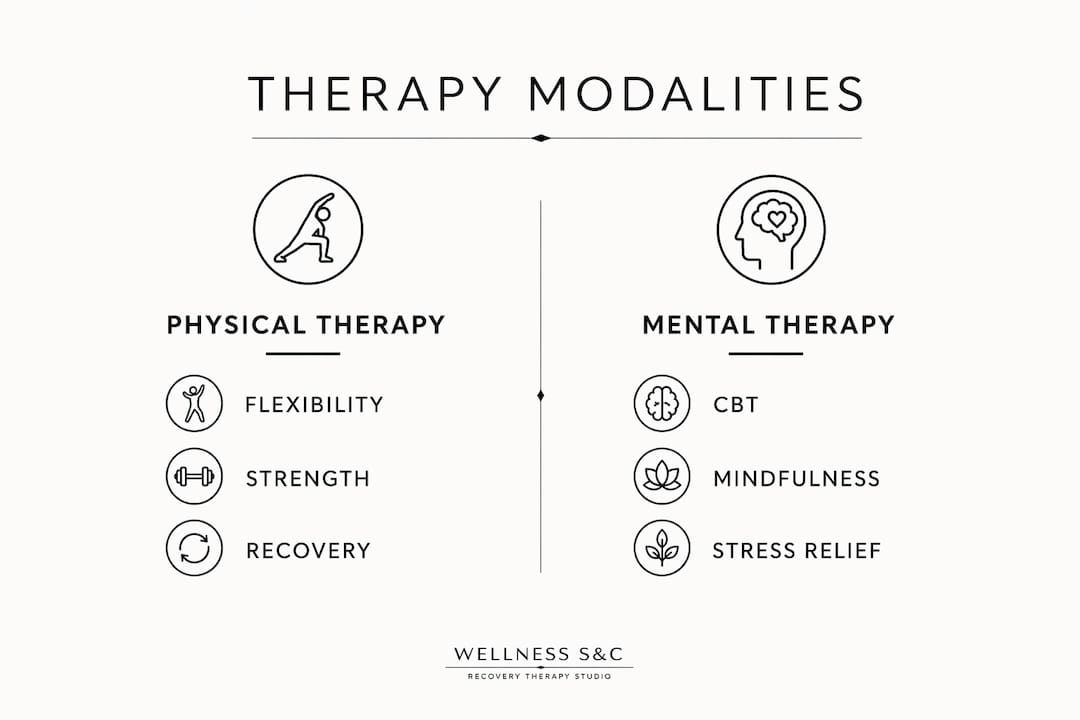
Physical therapy is the foundation of injury prevention and performance enhancement in sports. It works by identifying movement faults, correcting muscle imbalances, and restoring joint function before those issues become injuries. Physical therapy corrects movement patterns and muscle imbalances that directly limit strength, agility, and endurance. When your mechanics are clean, your body produces more force with less wasted effort.
The core modalities in physical therapy include flexibility training, core strengthening, proprioceptive drills, and movement retraining. Each one targets a specific gap in athletic function. A sprinter with weak hip stabilizers, for example, loses power at push-off and risks hamstring strain. A physical therapist identifies that gap through a movement screen and builds a targeted program to close it.
Clinical protocols matter as much as the modality itself. Bi-weekly sessions structured around progressive loading give tissue enough stimulus to adapt without accumulating damage. Athletes who follow structured physical therapy programs report better movement coordination and faster return to full training compared to those who rely on rest alone.
Pro Tip: Schedule a movement screen at the start of each training season, not just after an injury. Catching imbalances early is far cheaper in time and money than treating a full tear.
| Modality | Primary Benefit | Best Application |
|---|---|---|
| Flexibility training | Increased range of motion | Pre-season and post-competition |
| Core strengthening | Spinal stability and power transfer | Year-round maintenance |
| Movement retraining | Corrected mechanics and reduced reinjury risk | Post-injury return to sport |
| Proprioceptive drills | Balance and joint position sense | Ankle, knee, and shoulder rehab |
Massage therapy significantly reduces pain and improves range of motion for sports-related muscle injuries, with large effects on delayed onset muscle soreness (DOMS). DOMS is the deep aching you feel 24–72 hours after intense training. It slows your next session and compounds fatigue over a training block.
Research shows that bi-weekly 40–60 minute sessions produce the most favorable outcomes, with peak benefits appearing 48–72 hours after the intervention. That timing aligns perfectly with the DOMS window, making massage one of the most precisely timed recovery tools available to athletes.
Massage also improves circulation, which accelerates the removal of metabolic waste from muscle tissue. Better blood flow means nutrients reach damaged fibers faster. The result is a shorter gap between hard training sessions and a lower risk of overuse injury.
The main types of massage used in athletic settings include:
Massage works best as part of a comprehensive recovery plan that also includes physical therapy and mental health support. Used alone, it manages symptoms. Used within a full program, it accelerates every other intervention.
Psychological challenges during recovery are often dismissed as a normal part of the process. They are not. Athlete identity disruption after injury affects motivation and recovery timing in ways that physical rehab cannot address alone. When an athlete’s sense of self is tied to their sport, an injury feels like a loss of identity, not just a physical setback.
Sports psychology uses evidence-based techniques to rebuild that foundation. Cognitive Behavioral Therapy (CBT) targets negative thought patterns that fuel fear of reinjury. Mindfulness training improves focus and emotional regulation during high-pressure competition. Goal setting and visualization keep athletes mentally engaged during long recovery periods when physical progress feels slow.
Sports psychologists teach practical skills including mindfulness, journaling, and progressive muscle relaxation to improve sleep quality, focus, and coping ability. These are not soft skills. They are measurable performance variables that affect training consistency and competitive output.
Pro Tip: Treat mental health support the way you treat strength training. Use it proactively to build capacity, not reactively when you are already in crisis.
| Therapy | Core Mechanism | Best Use Case |
|---|---|---|
| Cognitive Behavioral Therapy (CBT) | Restructures negative thought patterns | Fear of reinjury, performance anxiety |
| Mindfulness training | Improves present-moment focus | Competition prep, emotional regulation |
| Visualization | Rehearses movement patterns mentally | Skill acquisition, return to sport |
| Goal setting | Maintains motivation and direction | Long-term rehab and performance planning |
| Progressive muscle relaxation | Reduces physical tension linked to stress | Pre-competition and sleep quality |
Psychological readiness is a distinct, measurable factor in safe return-to-play decisions. Clearing an athlete physically while ignoring their mental state increases reinjury risk. Validated metrics like fear-avoidance scores and confidence ratings give care teams objective data to make better decisions.
The biopsychosocial model treats athletic performance as the product of physical, psychological, and social factors working together. No single therapy addresses all three. That is why integrated teams, including physical therapists, sports psychologists, and coaches, consistently produce better outcomes than any single practitioner working alone.
A hybrid dual-framework model combining bottom-up somatic therapies and top-down cognitive therapies produces superior results for both mental health and performance. Bottom-up approaches like massage and physical therapy regulate the nervous system through the body. Top-down approaches like CBT restructure the cognitive patterns that drive behavior. Together, they address the full athlete.
The consequences of skipping integrated therapy are real and measurable. Athletes who return to play without psychological clearance face higher reinjury rates. Athletes who train without physical therapy accumulate compensatory movement patterns that eventually cause breakdowns. Failing to integrate psychological support with physical rehab is one of the most common and costly mistakes in sports medicine.
Integrated therapy in practice looks like this:
Building therapy into your training does not require a complete overhaul of your schedule. It requires a clear assessment of your needs and a consistent plan to meet them.
Pro Tip: Log your energy, mood, and soreness levels daily in a simple notes app. Patterns in that data often reveal overtraining or mental fatigue before they become injuries.
Therapy improves athletic performance by addressing physical mechanics, accelerating recovery, and building the psychological resilience that sustains consistent output over time.
| Point | Details |
|---|---|
| Physical therapy prevents injuries | Correcting movement patterns and muscle imbalances reduces injury risk and improves strength and agility. |
| Massage accelerates recovery | Bi-weekly 40–60 minute sessions reduce DOMS and improve range of motion at the 48–72 hour mark. |
| Mental health therapy is measurable | Psychological readiness scores like fear-avoidance and confidence ratings are objective return-to-play metrics. |
| Integrated models outperform single therapies | Combining somatic and cognitive therapies addresses both nervous system regulation and thought patterns. |
| Proactive therapy beats reactive treatment | Using therapy consistently, not just after injury, builds long-term resilience and performance sustainability. |
After years of working in the wellness space and watching athletes push through pain, I’ve come to one clear conclusion: most athletes treat therapy as a last resort instead of a first line of defense. They show up after the injury, after the burnout, after the performance plateau. By then, they’re playing catch-up.
The mental health piece is where I see the biggest gap. Physical therapy has earned its place in athletic culture. Sports psychology has not, at least not yet. Athletes will spend hours on strength work and zero minutes on cognitive restructuring or mindfulness. But the research is unambiguous. Elite athletes use performance therapy proactively to maintain focus and emotional balance, not just to manage crises.
The hybrid model combining somatic and cognitive therapies is the direction the field is moving. I think it represents the most significant shift in athlete care in the last decade. It treats the athlete as a whole person, not a collection of muscles and joints. That shift matters because performance is always a product of both body and mind.
My honest advice: build your therapy plan before you need it. Schedule the movement screen, book the massage, and find a sports psychologist you trust. The athletes who do this consistently are the ones who stay healthy, stay competitive, and extend their careers well beyond what reactive care would allow.
— Argjenta
Athletes in Las Vegas have access to a full range of science-backed recovery therapies at Wellnesslasvegas, designed to complement every phase of training and rehabilitation.
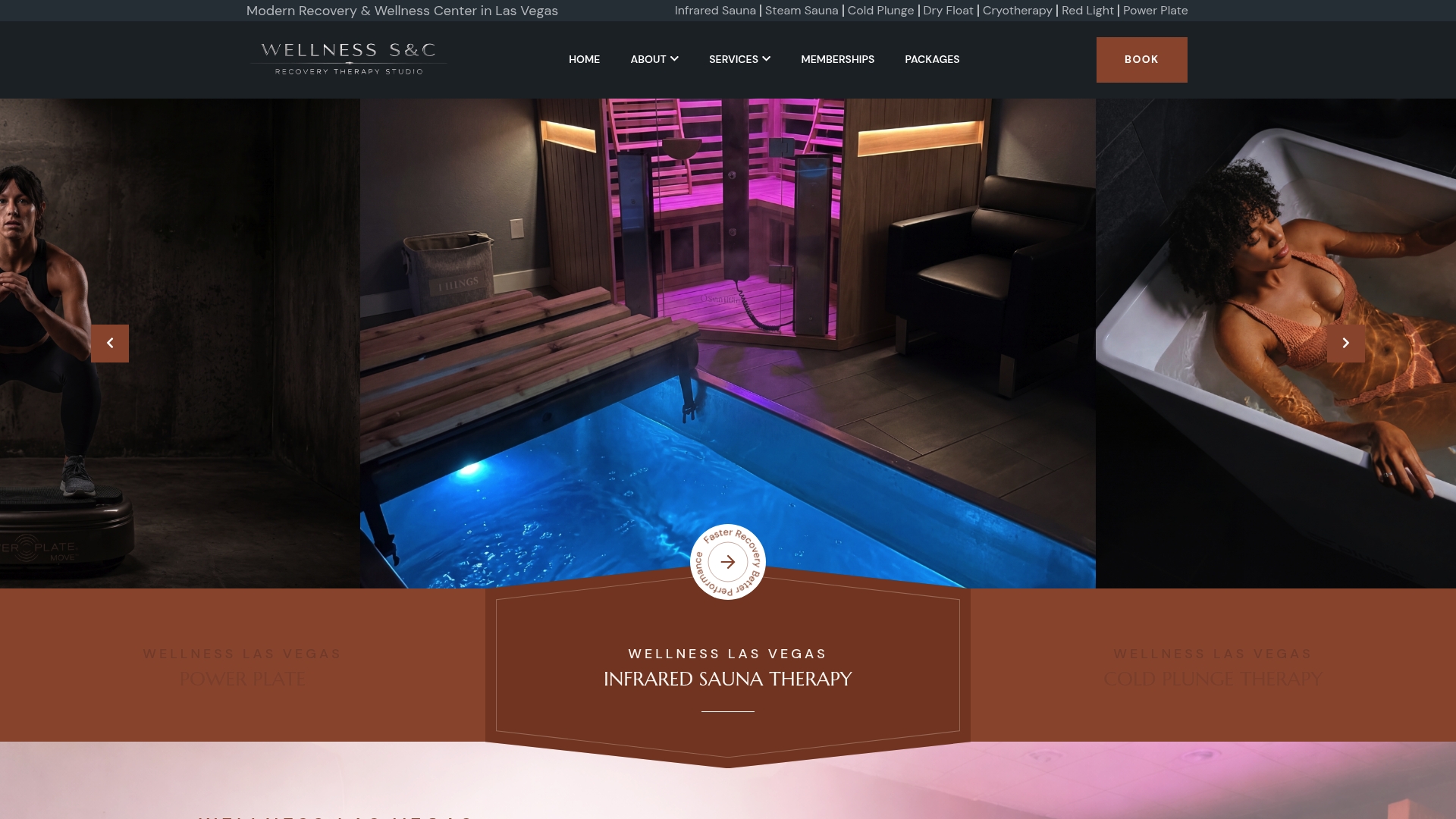
Wellnesslasvegas offers infrared sauna for athletes, contrast therapy combining cold plunge and sauna, red light therapy, and sports massage, all in a private, professional environment. These modalities work alongside physical therapy and sports psychology to reduce inflammation, improve circulation, and speed up tissue repair. Whether you are deep in a training block or returning from injury, the team at Wellnesslasvegas can help you build a recovery routine that keeps you performing at your best.
Therapy improves athletic performance by correcting physical imbalances, accelerating recovery, and building psychological resilience. Physical and mental therapies work together to reduce injury risk and sustain consistent output.
Bi-weekly 40–60 minute massage sessions produce the most favorable outcomes for muscle recovery, with peak benefits appearing 48–72 hours after each session.
Yes. Up to 30% of injured athletes experience clinical depression or anxiety. Sports psychology techniques like CBT and mindfulness directly address these challenges and support faster, safer return to play.
Psychological readiness is a measurable factor assessed through validated metrics like fear-avoidance scores and confidence ratings. Ignoring it increases reinjury risk even when physical rehab is complete.
Wellnesslasvegas provides infrared sauna, contrast therapy, cold plunge, red light therapy, sports massage, and Power Plate training, all designed to support athletic recovery and performance in Las Vegas.

