- Infrared Sauna Las Vegas | Cold Plunge & Cryotherapy

Long-term health strategies are sustainable lifestyle habits that integrate nutrition, exercise, stress management, quality sleep, and social connection to promote lasting wellness and prevent chronic disease. 6 out of 10 adults live with at least one chronic condition, which makes prevention far more powerful than treatment. The good news is that you do not need a complete life overhaul to see real results. For Las Vegas residents navigating a demanding, fast-paced environment, these strategies offer a practical path to feeling better, recovering faster, and staying healthy for the long run.
The Mediterranean-style diet is the most evidence-backed nutrition approach for sustained wellness. It emphasizes vegetables, fruits, whole grains, legumes, healthy fats like olive oil, and lean proteins like fish and poultry. This pattern reduces chronic inflammation and lowers the risk of heart disease, type 2 diabetes, and certain cancers.
Avoiding ultra-processed foods is equally important. Excess sodium, added sugar, and refined carbohydrates drive inflammation and metabolic dysfunction over time. Reading ingredient labels and cooking at home most days of the week are the two most effective habits you can build.
For Las Vegas residents, practical steps include:
Pro Tip: Batch-cook a grain like quinoa or brown rice at the start of the week. Pair it with different proteins and vegetables each day to keep meals varied without extra effort.
Adults should aim for at least 150 minutes per week of moderate-intensity aerobic activity spread across three or more days. That translates to about 30 minutes of brisk walking, cycling, or swimming on most days. This level of activity significantly reduces the risk of heart disease, stroke, and metabolic conditions.
Muscle-strengthening exercises on two or more days per week are also non-negotiable. Resistance training preserves lean muscle mass, supports bone density, and improves insulin sensitivity as you age. You do not need a gym membership. Bodyweight exercises like squats, push-ups, and lunges deliver real results when done consistently.

Consistency beats intensity every time. Habit stacking, which means attaching a new behavior to an existing routine, is one of the most effective ways to stay active. Stanford Medicine research confirms that small exercises performed during daily routines, like doing resistance moves while waiting for coffee to brew, improve long-term adherence.
Key activity guidelines to follow:
Pro Tip: Pair your morning walk with a podcast or audiobook. You will look forward to the habit instead of dreading it.
Stress management deserves the same priority as nutrition and exercise. AARP health experts state that treating stress reduction with the same seriousness as a professional responsibility produces measurably better health outcomes. Chronic stress elevates cortisol, disrupts sleep, suppresses immunity, and accelerates cellular aging.
Effective stress management techniques include:
Social connection is equally powerful. Strong social ties are linked to slower aging and better health outcomes across nearly every chronic disease category. Negative or toxic social relationships, by contrast, accelerate inflammation and biological aging. Quality matters more than quantity.
For Las Vegas residents, local community groups, fitness classes, and wellness centers provide built-in social environments. You can explore stress reduction techniques that combine mindfulness with community engagement for compounded benefits. If you prefer guided support, clinical stress management approaches from therapists offer structured frameworks for building resilience.
Sleep is the body’s primary recovery system. Both the quantity and quality of sleep directly affect immune function, hormone regulation, cognitive performance, and cardiovascular health. Poor sleep is one of the strongest predictors of chronic disease risk.
Objective tracking makes a measurable difference. Using a wearable like the Oura Ring to monitor deep sleep stages helped one individual increase deep sleep from 15 to 45 minutes per night. That tripling of deep sleep duration produced significant improvements in energy, mood, and health markers. Tracking gives you data to act on, not just guesses.
Practical steps to improve your sleep quality:
For Las Vegas residents, the city’s late-night culture and artificial lighting create real sleep disruptions. Blackout curtains and white noise machines are practical investments that pay off quickly. A step-by-step wellness plan tailored to the Las Vegas lifestyle can help you build sleep hygiene habits that actually stick.
No single strategy works in isolation. Nutrition, exercise, stress management, sleep, and social connection each reinforce the others. Poor sleep undermines your ability to exercise consistently. Chronic stress disrupts nutrition choices. Strong social ties motivate physical activity. The strategies are a system, not a checklist.
| Strategy | Primary benefit | Main challenge |
|---|---|---|
| Mediterranean-style nutrition | Reduces inflammation and chronic disease risk | Meal planning and consistency |
| Aerobic and strength exercise | Improves cardiovascular and metabolic health | Finding time and motivation |
| Stress management | Lowers cortisol and slows cellular aging | Building a daily practice |
| Quality sleep | Supports recovery and immune function | Screen use and irregular schedules |
| Social connection | Reduces inflammation and improves longevity | Maintaining quality relationships |
Sustainable health means weaving personal well-being with community and environmental health for lasting impact. Small, consistent improvements outperform radical changes every time. Incremental progress and avoiding all-or-nothing thinking are the two most reliable predictors of long-term habit success.
Pro Tip: Track one metric per strategy for 30 days. For nutrition, log your vegetable servings. For sleep, note your wake time. Small data points reveal patterns that motivate real change.
The most effective long-term health strategies combine nutrition, exercise, sleep, stress management, and social connection into one consistent, sustainable system.
| Point | Details |
|---|---|
| Nutrition drives the foundation | A Mediterranean-style diet reduces inflammation and lowers chronic disease risk over time. |
| 150 minutes of weekly exercise is the minimum | Spread moderate aerobic activity across three or more days to protect cardiovascular health. |
| Sleep quality is measurable and improvable | Wearables like the Oura Ring can help you triple deep sleep duration with targeted changes. |
| Stress management is non-negotiable | Treating stress reduction as a daily priority produces better health outcomes than ignoring it. |
| Consistency beats perfection | Small, incremental habit improvements outperform radical lifestyle changes in the long run. |
Most people approach health like a sprint. They overhaul their diet, sign up for a gym, download a meditation app, and try to fix everything at once. Within three weeks, they have quit two of the three. I have seen this pattern repeat endlessly, and the research from Kaiser Permanente confirms it. All-or-nothing thinking is the single biggest obstacle to lasting health.
What actually works is almost boring in its simplicity. You pick one habit, attach it to something you already do, and repeat it until it feels automatic. Then you add the next one. Stanford Medicine’s research on habit stacking validates exactly this approach. The people who build lasting health are not the most disciplined. They are the ones who make healthy choices the path of least resistance.
The social dimension surprises most people. Your relationships are a health intervention. The people you spend time with shape your stress levels, your sleep, your eating patterns, and your motivation to exercise. Investing in quality relationships is not a soft wellness tip. It is a measurable chronic disease prevention strategy.
For Las Vegas specifically, the environment creates unique challenges. Late nights, heat, and a culture built around indulgence make consistency harder. But the city also has world-class wellness facilities, outdoor trails accessible in the early morning, and a growing community of health-focused people. You use what is available and build from there.
— Argjenta
Las Vegas residents have access to recovery therapies that directly support the strategies covered in this article. Infrared sauna therapy improves circulation, reduces muscle soreness, and supports detoxification after intense exercise or high-stress periods. Contrast therapy, which combines cold plunge and sauna sessions, accelerates recovery and reduces systemic inflammation.
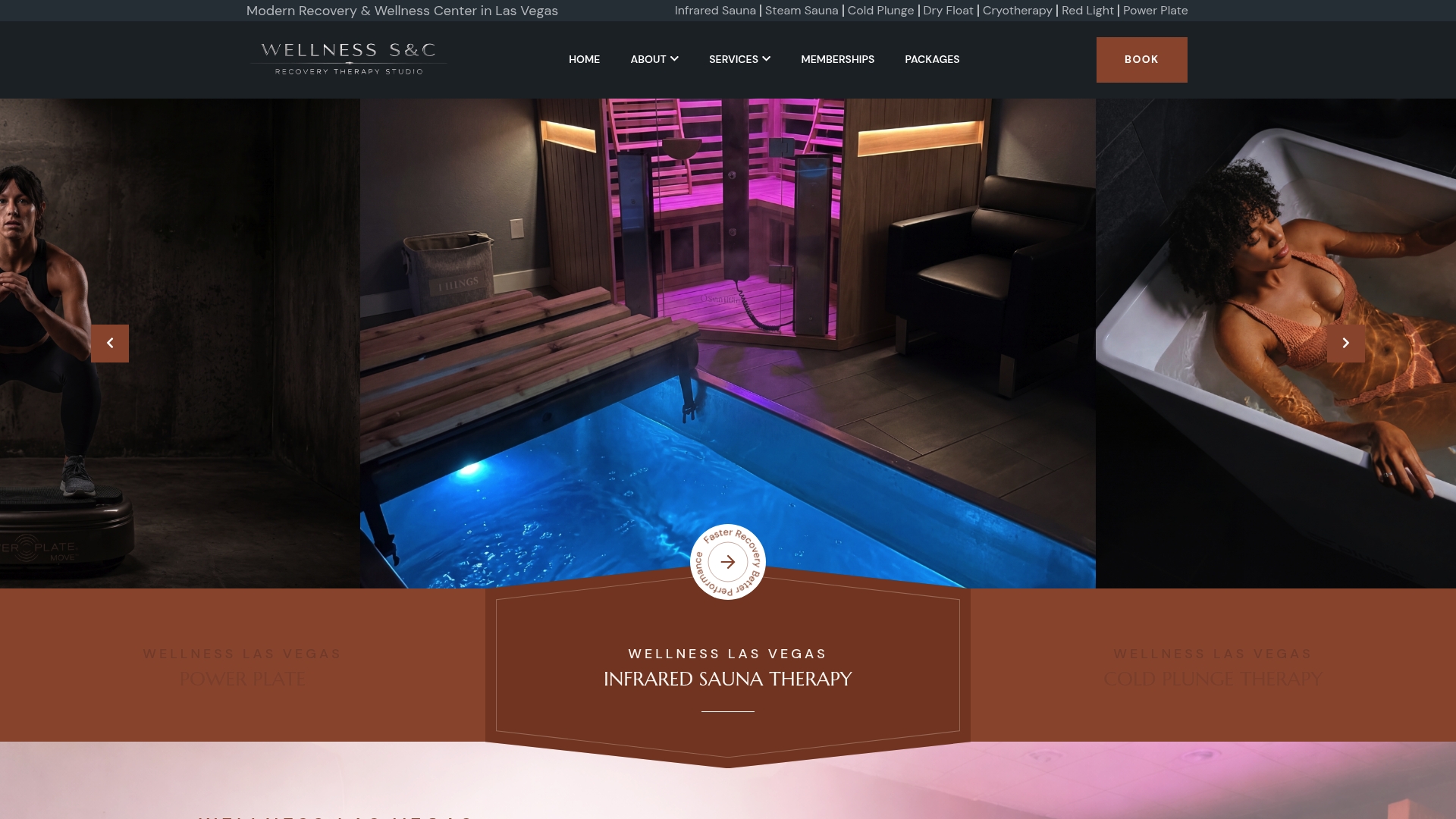
At Wellnesslasvegas, services like infrared sauna therapy and cryotherapy are designed to complement your daily wellness habits, not replace them. Red light therapy supports cellular recovery and reduces inflammation, making it a strong addition to any preventive health plan. Whether you are an athlete, a busy professional, or someone focused on longevity, Wellnesslasvegas offers personalized sessions in a clean, private environment built for real results. Book a session and give your body the recovery support your long-term health plan deserves.
Long-term health strategies are sustainable lifestyle habits that include balanced nutrition, regular exercise, quality sleep, stress management, and strong social connections. Together, they reduce chronic disease risk and support lasting wellness.
Adults need at least 150 minutes of moderate-intensity aerobic activity per week, spread across three or more days, plus muscle-strengthening exercises on two or more days.
Yes. Using a wearable device like the Oura Ring to monitor deep sleep stages has helped people increase deep sleep from 15 to 45 minutes per night, which measurably improves energy, immunity, and recovery.
Chronic stress elevates cortisol, disrupts sleep, suppresses immune function, and accelerates cellular aging. Managing stress with daily practices like meditation or deep breathing is as important as diet and exercise for chronic disease prevention.
The Mediterranean-style diet is the most evidence-backed approach. It emphasizes vegetables, whole grains, healthy fats, and lean proteins while limiting ultra-processed foods, excess sugar, and sodium.

