- Infrared Sauna Las Vegas | Cold Plunge & Cryotherapy

Rapid muscle recovery is the process by which your body efficiently repairs and rebuilds muscle tissue after exercise to restore strength, reduce soreness, and prepare you for your next session. The speed of that repair directly determines how often you can train, how much strength you gain, and how well you avoid injury. Athletes who understand the science behind recovery, including protein synthesis timing, sleep quality, and the right therapies, consistently outperform those who treat rest as an afterthought. This article explains the biology, the best recovery strategies, and the most effective tools available to you right now, including options at Wellnesslasvegas in Las Vegas.
Your muscles do not grow during a workout. They grow during recovery. Every training session creates microscopic tears in muscle fibers, and your body’s repair response to those tears is what builds strength and size. The faster and more completely that repair happens, the sooner you can train again at full capacity.
Recovery unfolds in three overlapping phases. The first is inflammation, which runs from roughly 0 to 72 hours post-exercise. The second is repair, which overlaps from 24 to 72 hours. The third is remodeling, which can extend beyond one week. Each phase depends on the previous one completing properly.
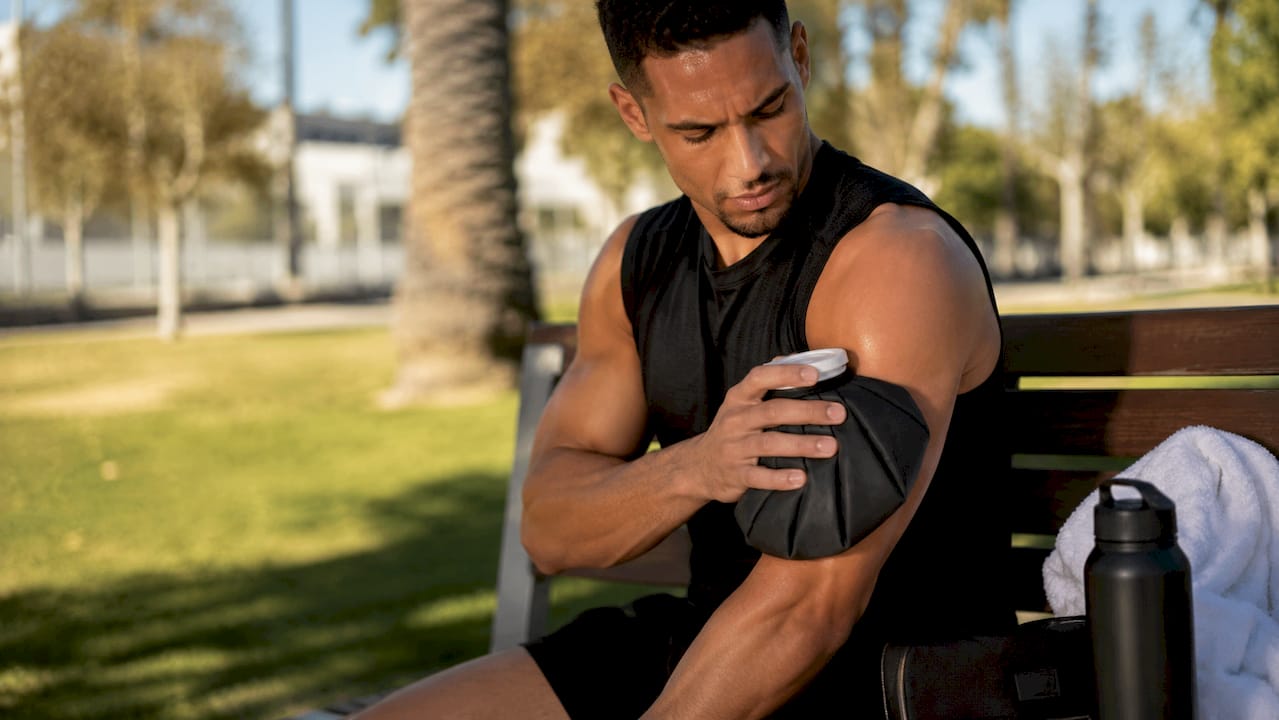
Muscle protein synthesis peaks within 24–48 hours post-exercise, and sleep during this window boosts human growth hormone by 300–500% to drive repair. That hormonal spike is not a bonus. It is the primary biological signal your body uses to rebuild damaged fibers.
A key discovery from recent cell biology research changes how we think about early recovery. Muscle stem cells purposely slow their energy production immediately after exercise to generate antioxidants and reduce inflammation before rebuilding begins. The PFKM enzyme drops temporarily to protect the repair environment. Rushing past this phase with aggressive interventions can disrupt the process.
Pro Tip: Soreness does not equal growth. DOMS peaks at 48–72 hours post-exercise and signals mechanical damage and inflammation, not the growth process itself. Training through severe soreness before repair completes slows your long-term progress.
Faster recovery enables higher training volume without accumulating fatigue debt. That is the core reason elite athletes prioritize it. When your muscles repair quickly, you can add sessions, increase intensity, and build fitness at a rate that slower-recovering athletes simply cannot match.
The benefits of fast muscle recovery extend well beyond sore muscles:
Recovery also includes nervous system recalibration, not just local muscle repair. Central nervous system fatigue reduces motivation, slows reaction time, and recovers more slowly than muscle tissue itself. Ignoring systemic fatigue while focusing only on soreness is one of the most common mistakes active people make.
A practical example: a runner who trains five days per week but sleeps six hours a night and skips post-workout nutrition will plateau or regress within weeks. The same runner with seven to nine hours of sleep and proper fueling can sustain that load and improve. The difference is not the training. It is the recovery.
The most effective recovery plan starts with three non-negotiable foundations before any technology or therapy enters the picture.
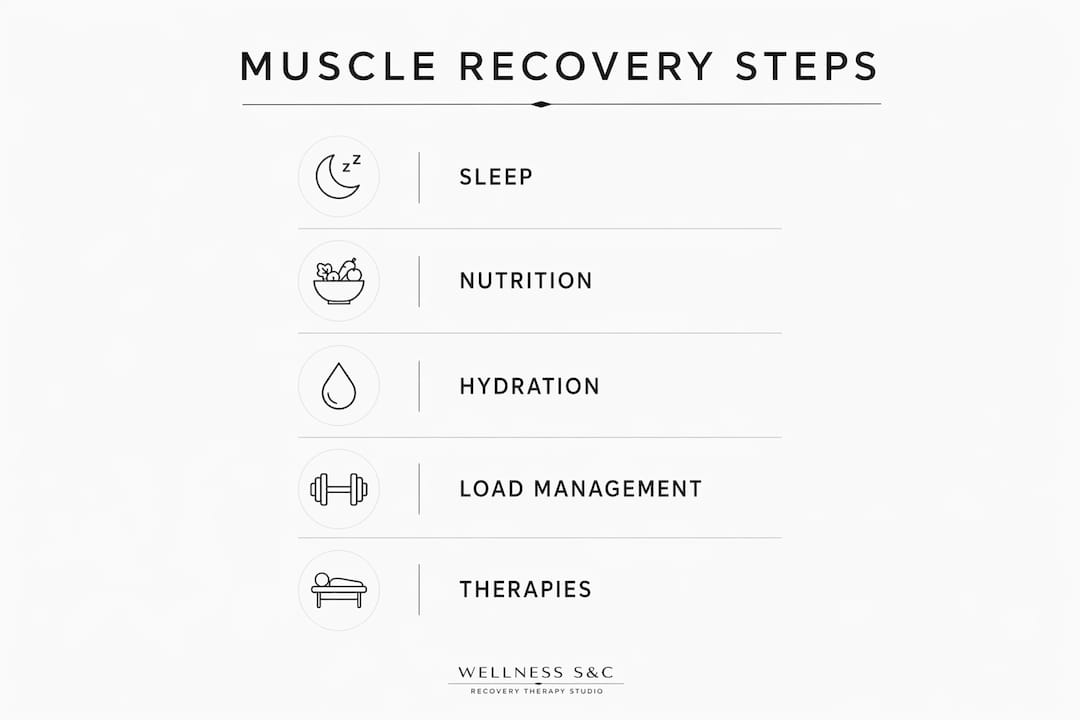
Quality sleep releases the growth hormone critical for repair. Disrupted or insufficient sleep directly impairs protein synthesis and nervous system recovery. The target is 7–9 hours per night, with consistent sleep and wake times to protect hormonal rhythms.
Consuming 20–40 grams of protein within two hours after a workout maximizes muscle protein synthesis, according to a 2023 meta-analysis. Carbohydrates restore muscle glycogen, and fluids support circulation. Missing any one of these slows recovery noticeably. A post-workout meal of lean protein, complex carbs, and 500–700ml of water covers all three.
Aim for 3–4 liters of water daily to support circulation and nutrient delivery to repairing tissue. Training load management means scheduling hard sessions with enough recovery days between them to allow full repair before the next stimulus.
Pro Tip: Avoid heavy NSAID use or aggressive icing immediately after training. Over-suppressing inflammation post-exercise can dampen the repair signals your body needs for muscle growth. Light movement and contrast temperature therapy are better early-phase options.
A practical recovery essentials checklist can help you track these fundamentals daily without guesswork.
| Recovery Strategy | Primary Benefit | Timing |
|---|---|---|
| 7–9 hours of sleep | Growth hormone release, protein synthesis | Nightly |
| 20–40g protein post-workout | Muscle protein synthesis peak | Within 2 hours post-exercise |
| 3–4 liters water daily | Circulation, nutrient delivery | Throughout the day |
| Training load management | Prevents fatigue accumulation | Weekly planning |
| Anti-inflammatory nutrition | Supports repair without over-suppression | Daily |
Recovery tools work best as supplements to the foundations above, not replacements. Once sleep, nutrition, and load management are in place, targeted therapies can meaningfully accelerate specific aspects of repair.
Research published in 2026 compared multiple physical recovery modalities and found distinct advantages for each:
For athletes in Las Vegas, access to these modalities matters. The desert heat adds a recovery challenge that most training guides do not account for. Dehydration happens faster, and heat stress compounds muscle fatigue. Infrared sauna and cryotherapy in Las Vegas address both ends of the thermal spectrum, giving local athletes a real advantage when used correctly.
Integrating these tools is straightforward. Use infrared sauna or red light therapy on recovery days to support repair. Use cold plunge or cryotherapy within a few hours of intense sessions to manage acute soreness. Reserve contrast therapy for high-volume training weeks when cumulative fatigue is highest. You can find a full breakdown of science-backed athlete strategies to build this into your weekly routine.
Rapid muscle recovery requires sleep, protein timing, hydration, and load management as the foundation, with targeted therapies accelerating specific repair outcomes on top.
| Point | Details |
|---|---|
| Sleep drives repair | 7–9 hours of sleep triggers the growth hormone spike that rebuilds muscle fibers. |
| Protein timing matters | 20–40g of protein within 2 hours post-workout maximizes muscle protein synthesis. |
| Soreness is not growth | DOMS signals damage and inflammation, not the growth process itself. |
| Tools supplement basics | Far-infrared and cold compression therapies work best after sleep and nutrition are in place. |
| Systemic fatigue counts | Nervous system recovery is slower than muscle repair and must be managed separately. |
I have worked with athletes and wellness-focused individuals long enough to see one pattern repeat itself constantly. People invest in expensive therapies before they fix their sleep. They buy recovery devices while eating one meal a day. The tools are real, the science behind them is solid, but they cannot compensate for a broken foundation.
The metabolic timing research on muscle stem cells is the most important recent finding in this space. Your body has a built-in pause mechanism after exercise. It slows energy production to protect the repair environment before rebuilding starts. When you rush that phase with aggressive icing, heavy anti-inflammatories, or another hard session too soon, you are working against your own biology.
My practical advice for anyone in Las Vegas specifically: the heat here is not neutral. It adds physiological stress that compounds training fatigue faster than most people realize. Hydration targets that work in cooler climates are not enough here. Bump your daily water intake, prioritize morning or evening training to avoid peak heat, and use thermal contrast therapies to help your nervous system reset.
The dry float therapy option at Wellnesslasvegas is one I recommend specifically for nervous system recovery, not just muscle soreness. Floating in a zero-gravity environment removes all physical load from joints and connective tissue while promoting deep parasympathetic relaxation. That systemic reset is what separates athletes who plateau from those who keep improving.
Start with the basics. Add the tools. Be consistent. That sequence works every time.
— Argjenta
Wellnesslasvegas offers the full range of therapies covered in this article, all under one roof in Las Vegas.
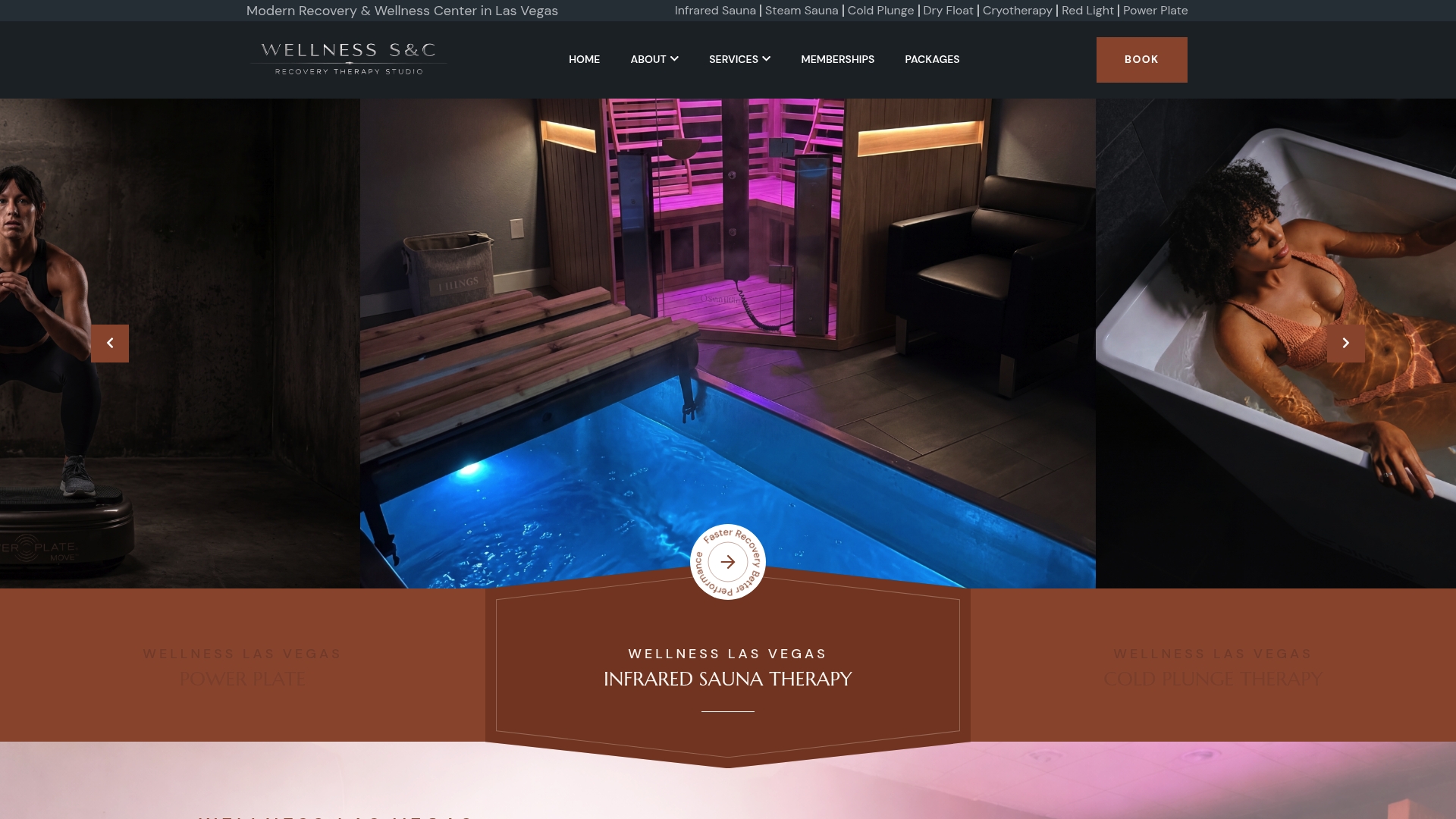
Whether you need infrared sauna for jump height restoration, cryotherapy for soreness relief, red light therapy for cellular repair, or contrast therapy for high-volume training weeks, each session is designed to target a specific phase of your recovery. The infrared sauna for athletes program at Wellnesslasvegas is built specifically around the science of post-exercise repair, not general relaxation. Book a session and tell the team where you are in your training cycle. They will match the therapy to your current recovery needs.
Rapid muscle recovery is the accelerated process of repairing and rebuilding muscle tissue after exercise. It involves inflammation, protein synthesis, and cellular remodeling, all supported by sleep, nutrition, and hydration.
Muscle protein synthesis runs at 2–3 times baseline for up to 72 hours post-exercise. Full remodeling of muscle fibers can take a week or more depending on training intensity and recovery quality.
No. Soreness signals mechanical damage and inflammation, not growth. Growth occurs during the repair and remodeling phases that follow. Chasing soreness as a measure of a good workout is a common and counterproductive habit.
Sleep is the most powerful recovery tool available. Growth hormone release during sleep drives protein synthesis and nervous system repair in ways no therapy or supplement can replicate.
Yes, when used on top of solid sleep and nutrition habits. Research shows far-infrared therapy leads for restoring explosive power, while cold compression and cryotherapy are most effective for reducing perceived soreness after intense training.

