- Infrared Sauna Las Vegas | Cold Plunge & Cryotherapy

An injury rehab guide is a structured, criteria-driven roadmap that restores strength, mobility, and confidence after injury through progressive, phase-based rehabilitation. Approximately 8.6 million sports injuries occur annually in the US, and 30–40% of athletes experience a re-injury within 12 months, most often because they returned to sport too soon. The standard of care has shifted away from passive rest toward active, load-managed recovery built on clinical benchmarks. Following a structured physical therapy guide, rather than guessing your way back, is the single most reliable way to cut recovery time and stay healthy long-term.
Rehabilitation follows four critical phases, each with specific entry criteria and goals. Progression is criteria-based, not calendar-based. That distinction matters because two people with the same sprained ankle can be at completely different stages of healing two weeks after injury.
Phase 1 covers the first 48–72 hours after injury. The goal is protection and pain control, not complete rest. You reduce swelling, limit further tissue damage, and begin gentle movement as soon as pain allows. Think of it as creating the right environment for healing, not shutting the body down.
Phase 2 begins once acute inflammation settles. You work to restore range of motion, reduce stiffness, and restart neuromuscular communication between the brain and the injured area. Gentle resistance work, range-of-motion drills, and balance exercises are the tools here. This phase is where most people either build a strong foundation or cut corners and pay for it later.
Phase 3 targets functional strength, sport-specific movement patterns, and cardiovascular conditioning. Exercises progress from controlled machine-based movements to free weights and dynamic drills. Entering this phase safely requires walking without a limp and reporting morning pain at 2/10 or less, with a target of 75% strength symmetry compared to the uninjured side.
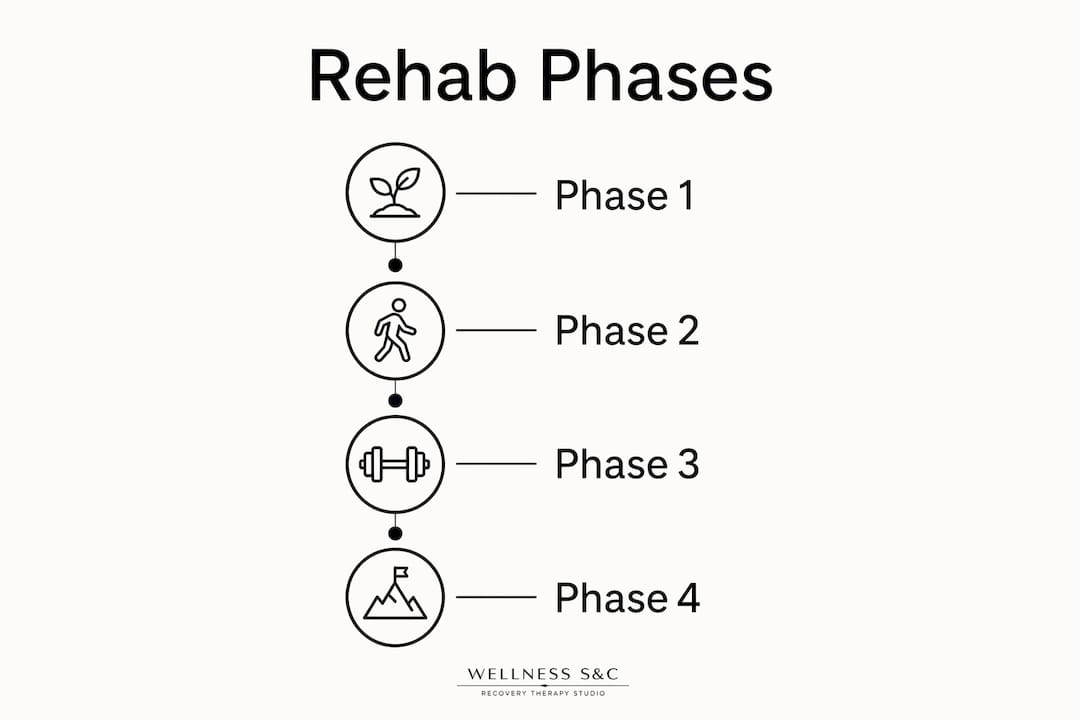
Phase 4 prepares you for full activity. Sport-specific drills, reactive movements, and confidence-building scenarios are central. The phase ends only when you meet objective benchmarks, not when you feel ready emotionally.
Here is a quick summary of what drives progression through each phase:
Pro Tip: Never use a fixed timeline as your only measure of readiness. A criteria-based approach, where you check actual physical benchmarks, reduces re-injury risk far more reliably than counting weeks on a calendar.
Symptom management is the daily practice of listening to your body and adjusting training load before problems escalate. Most rehab setbacks happen not from doing too little, but from doing too much too soon.
The modern standard for acute injury care is the POLICE protocol: Protection, Optimal Loading, Ice, Compression, and Elevation. It replaces the older RICE method by adding optimal loading, meaning you introduce controlled movement early rather than immobilizing the injury completely. Early movement stimulates tissue repair and prevents the muscle wasting and stiffness that come with prolonged rest.
The +2 pain rule is one of the most practical self-monitoring tools in rehabilitation. If your pain increases by 2 or more points on a 0–10 scale during or after a session compared to your baseline, the training load is too high. Drop the intensity, volume, or both, and reassess the next day.
Sharp, increasing pain during exercise is a signal to stop and regress. Mild, dull discomfort during controlled loading is generally acceptable and expected. The difference between the two determines whether you are building tissue or damaging it.
Common mistakes that cause setbacks include:
Pro Tip: Keep a simple daily log: rate your morning pain, note what you trained, and track any post-session soreness. Patterns in that log will tell you more than any generic timeline.
The best rehab exercises match your current phase, target the specific tissue involved, and progressively challenge the neuromuscular system. A well-structured rehab program for injuries moves through five exercise categories in sequence.
Isometric exercises. These involve muscle contraction without joint movement. They are the safest starting point for painful or acutely injured tissue. A quad set for a knee injury or a wall push for a shoulder injury builds initial strength without stressing healing structures.
Range-of-motion drills. Gentle, controlled movement through the available range prevents scar tissue from limiting long-term function. Ankle circles, shoulder pendulums, and hip flexor stretches are common examples depending on injury location.
Resistance band exercises. Bands allow graduated loading with low joint stress. Clamshells, banded walks, and external rotation drills rebuild the stabilizing muscles that protect joints during dynamic activity.
Balance and proprioception training. Restoring neuromuscular control is the most overlooked step in post-injury rehabilitation. Single-leg stands, wobble board work, and reactive balance drills retrain the brain-to-muscle connection that injury disrupts. Without this step, the risk of re-injury stays high even when strength returns.
Plyometric and sport-specific movements. Jump landings, lateral cuts, and acceleration drills prepare the body for the demands of real activity. These belong in Phase 3 and Phase 4 only, after strength symmetry and pain-free movement are confirmed.
Adjunct therapies accelerate progress at each stage. Soft tissue mobilization reduces scar tissue adhesions. Pool exercises allow full-range movement with reduced joint load. Recovery modalities like red light therapy support tissue repair at the cellular level and are increasingly used by athletes in Las Vegas to shorten the gap between training sessions.
Pro Tip: Progress from machine-based to free-weight to sport-specific movements in that order. Machines teach the pattern; free weights build stability; sport-specific drills transfer the strength to real movement.
Premature return to sport is the leading cause of re-injury, and the 30–40% re-injury rate reflects how often athletes skip the final clearance steps. Readiness is not a feeling. It is a set of measurable benchmarks.
The table below outlines the key physical and psychological criteria for safe return to full activity:
| Readiness Category | Benchmark Required |
|---|---|
| Strength symmetry | 90% or greater compared to the uninjured side |
| Range of motion | Full, pain-free movement through the complete joint range |
| Functional testing | Passing hop tests, agility runs, and sport-specific drills |
| Gait and movement quality | No compensations, limping, or altered mechanics |
| Psychological readiness | Confidence in the injured area during reactive and high-load tasks |
Psychological readiness is as real as physical readiness. Athletes who lack confidence in the injured area tend to compensate with altered movement patterns, which shifts load onto other structures and creates new injuries. Validated tools like the ACL-RSI (Anterior Cruciate Ligament Return to Sport after Injury) scale measure this directly and are used by sports medicine clinicians worldwide.
A graduated return-to-sport protocol typically spans two to four weeks after Phase 3 clearance. You begin with low-intensity, controlled practice, then progress to full training, and finally to competitive play. Each step requires passing the previous one without symptom flare-up.
Pro Tip: Ask your clinician for a functional test score, not just a verbal clearance. A number gives you an objective target and removes the guesswork from one of the most consequential decisions in your recovery.
Effective injury rehabilitation requires criteria-based phase progression, daily symptom monitoring, and objective return-to-sport testing, not fixed timelines or passive rest.
| Point | Details |
|---|---|
| Use criteria, not calendars | Advance phases based on pain levels, strength symmetry, and functional tests. |
| Apply the POLICE protocol | Replace RICE with optimal loading to promote early movement and tissue repair. |
| Monitor load with the +2 rule | Reduce training intensity immediately if pain rises 2 or more points after a session. |
| Rebuild neuromuscular control | Balance and proprioception training are required steps, not optional add-ons. |
| Meet 90% strength symmetry | Clear this benchmark before returning to sport to cut re-injury risk significantly. |
Working with athletes in Las Vegas, the pattern I see most often is not laziness. It is impatience dressed up as confidence. Someone hits Phase 3, feels strong, and decides the last 10% of the process is optional. That is almost always when re-injury happens.
The athletes who recover best treat their rehab program like a training block, not a waiting room. They log their morning pain, they show up for balance work even when it feels too easy, and they ask for functional test scores before returning to the field. They also use every recovery tool available, including infrared sauna sessions, cold plunge therapy, and science-backed recovery strategies that reduce inflammation and support tissue repair between sessions.
The mindset shift that makes the biggest difference is this: recovery is not the absence of training. It is a specific type of training with its own rules, progressions, and performance markers. Las Vegas has excellent resources for this, from physical therapy clinics to advanced recovery facilities. Use them. The athletes who combine professional guidance with consistent self-care and quality recovery modalities come back stronger, not just healed.
One more thing. Massage and soft tissue care during rehab is not a luxury. It reduces scar tissue buildup, improves circulation to healing tissue, and keeps the surrounding musculature from compensating in ways that create secondary problems. Build it into your program from Phase 2 onward.
— Argjenta
Wellnesslasvegas offers a range of science-backed recovery therapies that complement every phase of post-injury rehabilitation in Las Vegas.
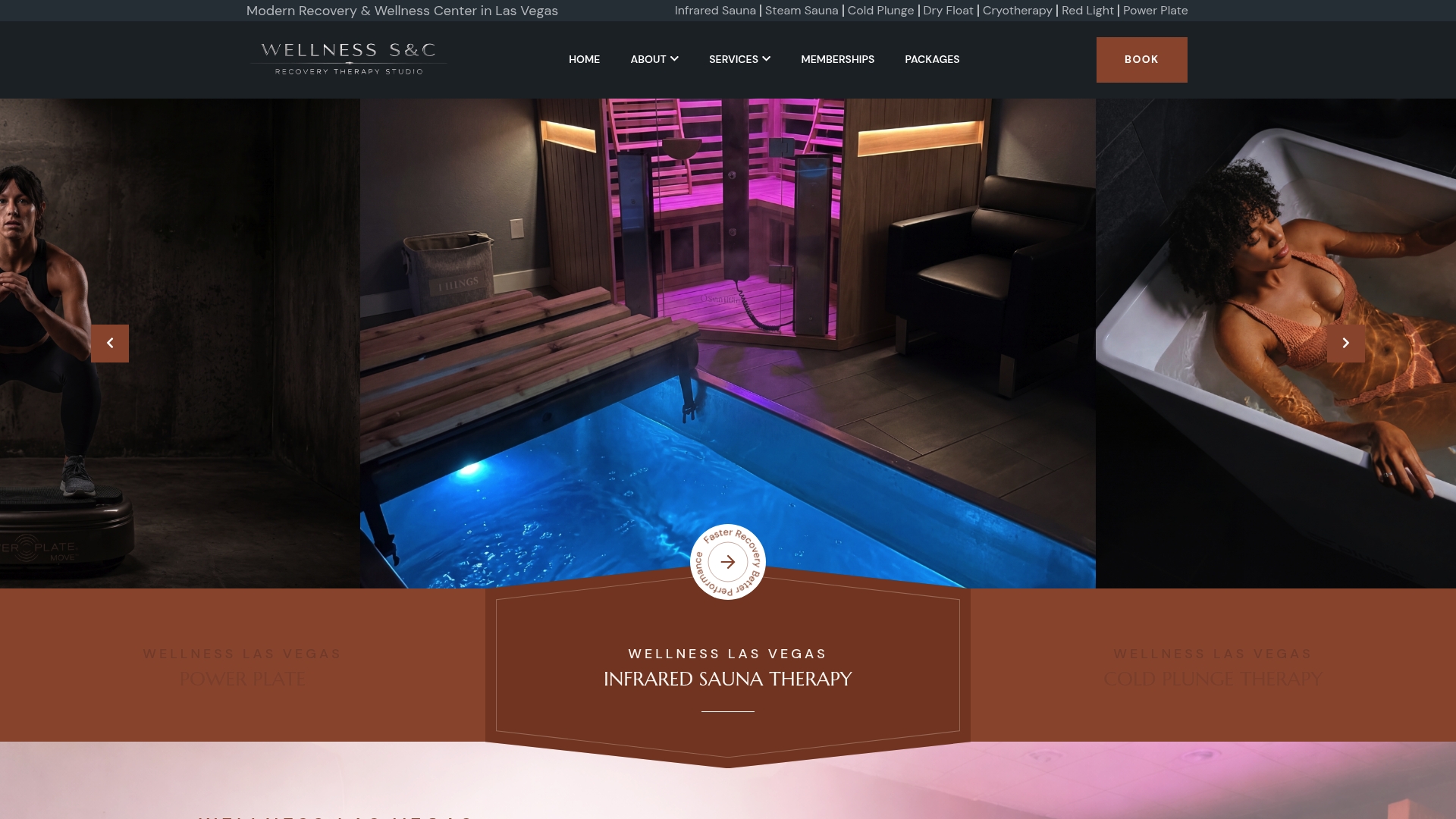
Infrared sauna therapy penetrates deep into muscle tissue, improving circulation and reducing soreness between rehab sessions. Cryotherapy and cold plunge sessions reduce acute inflammation and accelerate recovery after demanding training loads. Red light therapy supports cellular repair and is particularly effective during the tissue-rebuilding phases of recovery. Whether you are in Phase 2 managing swelling or in Phase 4 preparing for return to sport, Wellnesslasvegas builds a personalized recovery plan around your goals. Book a session and give your rehab the support it deserves.
An injury rehab guide is a structured, phase-based recovery plan that uses clinical criteria to progress from acute injury management through return to full activity. It replaces guesswork with measurable benchmarks like pain levels, strength symmetry, and functional test results.
Recovery timelines vary by injury type and severity, but progression should be driven by criteria, not fixed weeks. Criteria-based progression consistently produces better outcomes than calendar-based protocols.
POLICE stands for Protection, Optimal Loading, Ice, Compression, and Elevation. It is the current standard for acute injury management and replaces the older RICE method by incorporating early controlled movement to promote tissue repair.
Safe return requires strength symmetry of 90% or greater, full pain-free range of motion, passing functional tests like hop and agility drills, and confirmed psychological readiness. Premature return is the primary driver of the 30–40% re-injury rate.
Yes. Infrared sauna improves circulation and reduces muscle soreness, while cold plunge and cryotherapy manage inflammation after loading sessions. These modalities work best as complements to a structured physical therapy program, not replacements for it.

