- Infrared Sauna Las Vegas | Cold Plunge & Cryotherapy


A quality sauna facility is defined by four non-negotiable standards: cleanliness, ventilation, even heat distribution, and trained staff. These criteria separate a genuinely therapeutic experience from one that wastes your time or, worse, puts your health at risk. Whether you are an athlete recovering in Las Vegas or a professional managing stress, knowing how to evaluate sauna facility features before you book protects your investment and your body. This guide gives you a practical, expert-backed checklist so you walk in knowing exactly what to look for in a sauna facility.
Cleanliness is the first thing to assess when you walk through the door. A facility that enforces mandatory towel use and disinfects benches between every user demonstrates a hygiene standard that weekly deep cleans simply cannot match. Bacterial and fungal growth thrive in warm, moist environments, so per-session sanitation is not optional. It is the baseline.
Look for these visible hygiene indicators:
The smell test is one of the most reliable tools you have. A quality sauna smells of clean wood, not artificial fragrance or harsh disinfectant. Chemical odors in a heated space signal poor materials or off-gassing that directly harms your respiratory health. Trust your nose.
Pro Tip: Visit during a busy period, not just off-peak hours. A facility that maintains cleanliness when it is crowded is the one worth your membership.
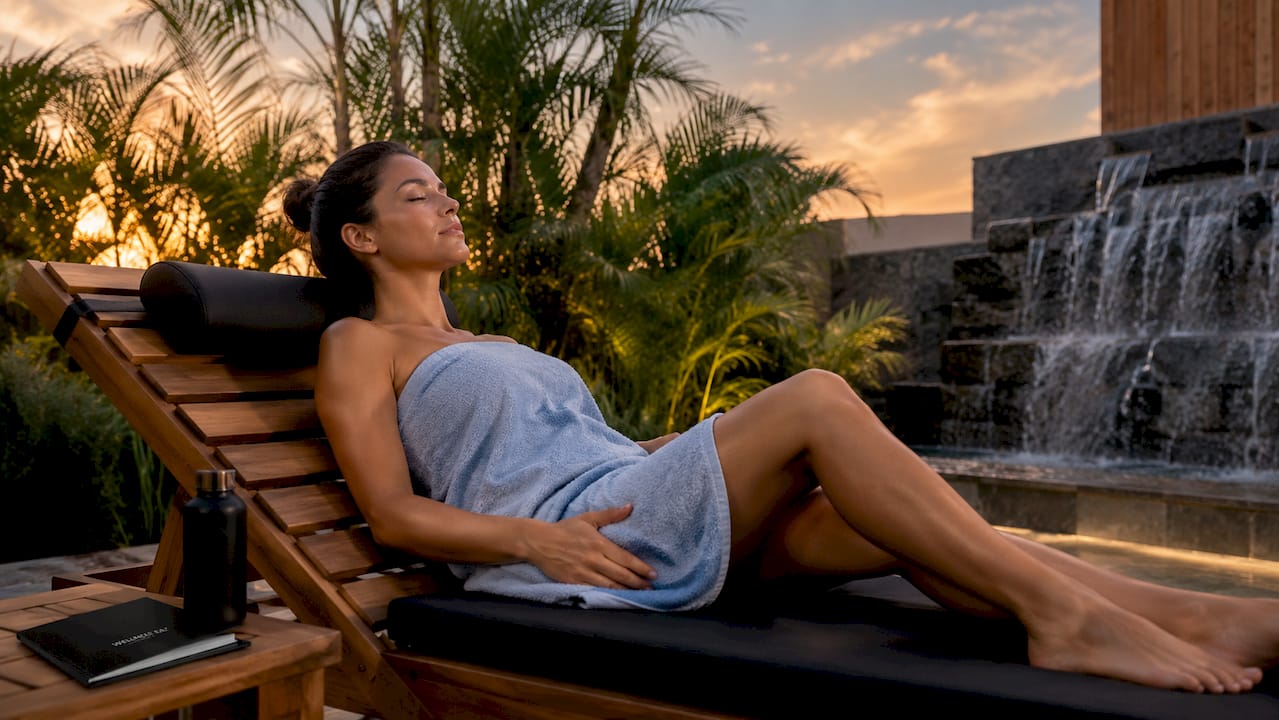
Ventilation is the most overlooked quality marker in a sauna facility, and it is one of the most consequential. Commercial sauna facilities require 6–8 air exchanges per hour, compared to just 3–4 for residential units. That higher rate keeps oxygen levels stable and prevents CO2 from accumulating during peak use. When a facility skips proper ventilation, you feel it fast: heavy air, mild nausea, or a headache that you mistake for dehydration.
Signs of adequate ventilation in a professional facility include:
Poor ventilation does more than make the session uncomfortable. It concentrates airborne bacteria and reduces the therapeutic benefit of the heat itself. A well-ventilated sauna feels energizing. A poorly ventilated one feels draining.
Pro Tip: Step inside for 60 seconds before committing to a session. If the air feels thick or your breathing feels labored immediately, that facility has a ventilation problem.
Heat quality is what separates a therapeutic sauna from a hot box. Standard sauna sessions run 10–20 minutes, with traditional saunas reaching 176–212°F and infrared saunas using lower radiant heat for longer, gentler exposure. Both types deliver real benefits, but only when the heat is distributed evenly throughout the room. Uneven heat zones, where one corner scorches and another stays lukewarm, signal a poorly designed or poorly maintained heater.
Here is what to check for even heat distribution:
Proper bench height and a multi-tier layout optimize heat stratification, meaning the upper bench delivers intense dry heat while the lower bench offers a gentler experience. This design is not a luxury feature. It is how a traditional sauna is supposed to work. Facilities that skip it are cutting corners on the core product.
Stat to know: Traditional saunas operate between 176°F and 212°F. Infrared saunas use lower temperatures but penetrate tissue more deeply. Knowing which type you are using helps you set the right expectations for your session length and intensity.
Sauna types vary significantly in design and therapeutic application. Understanding the difference before you visit helps you ask the right questions and choose the right facility for your goals.
Staff quality is a direct reflection of how seriously a facility takes your wellbeing. Professional guidance on session length and hydration measurably improves safety outcomes, particularly for people with hypertension, cardiovascular conditions, or who are pregnant. A facility where no one briefs you on limits or contraindications is one that prioritizes throughput over your health.
Look for these safety standards before you commit:
Safety features like non-slip floors, fire-compliant doors, and visible controls reflect a professional commitment that goes beyond aesthetics. These are not optional upgrades. They are the minimum standard for any facility operating in a commercial wellness context. If you cannot spot them within two minutes of walking in, keep looking.
A good staff member will also enforce the rules consistently, including towel policies, session time limits, and capacity limits during peak hours. Enforcement is the proof that the rules are real.
Amenities matter, but they should never distract you from evaluating the core product. A lounge area with filtered water, clean private showers, and fresh towel service adds genuine comfort. Chromotherapy lighting or built-in sound systems are pleasant extras when the fundamentals are solid. They are red flags when they appear to compensate for poor heat quality or questionable hygiene.
| Amenity | Benefit | Watch out for |
|---|---|---|
| Private sauna rooms | Hygiene control, personal comfort | Smaller rooms with weaker heaters |
| Lounge and cool-down area | Recovery between sessions | Overcrowded or poorly ventilated spaces |
| Chromotherapy lighting | Mood support during sessions | Used to mask poor wood or build quality |
| Towel service | Convenience and hygiene | Thin, worn towels that signal cost-cutting |
| ADA-accessible design | Inclusive, ergonomic layout | Narrow doorways or slippery surfaces |
A facility that offers a healing environment goes beyond equipment. The layout, lighting, and staff attitude all contribute to whether you leave feeling restored or just warm. Prioritize amenities that serve your specific use case. Athletes focused on recovery need cold plunge access and private rooms. Professionals seeking stress relief benefit most from quiet lounges and consistent booking availability.
Pro Tip: Many facilities offer trial sessions or day passes before you commit to a membership. Always test the sauna at the time of day you plan to use it regularly. Heaters in busy facilities can struggle to maintain temperature during peak hours, and that gap matters.
Testing a facility during its busiest period reveals what a polished tour never will. Sauna heaters in high-traffic facilities can struggle to maintain temperature during peak hours, producing an underwhelming and uneven experience. The thermometer on the wall tells you the story in real time. If it reads below the posted temperature range during a busy session, the facility is undersized for its demand.
Ask the front desk directly: what is the maximum occupancy for the sauna, and how is it enforced? Facilities that cap occupancy and monitor it actively protect both heat quality and hygiene. Those that do not are prioritizing revenue over your experience.
Checking sauna health benefits near Henderson, NV and the broader Las Vegas area gives you a useful benchmark for what well-run local facilities actually deliver. Use that context when you evaluate your options.
A quality sauna facility delivers consistent cleanliness, proper ventilation, even heat, and trained staff. Every other feature is secondary to these four standards.
| Point | Details |
|---|---|
| Hygiene is non-negotiable | Bench disinfection between users prevents bacterial growth better than weekly deep cleans. |
| Ventilation drives safety | Commercial facilities need 6–8 air exchanges per hour to maintain safe oxygen levels. |
| Heat must be even and consistent | Multi-tier benches and a well-placed heater confirm professional sauna design. |
| Staff training signals commitment | CPR-certified staff and posted contraindications show a facility prioritizes your health. |
| Test during peak hours | Visit at your intended usage time to verify heater performance and cleanliness under real conditions. |
Las Vegas has no shortage of wellness facilities, but the gap between a polished lobby and a genuinely well-run sauna is wider than most people expect. In my experience, the facilities that consistently deliver are the ones where staff enforce the rules without being asked. You do not need to remind them to wipe the bench. The towels are already there. The thermometer is accurate. That consistency is rare, and it is worth paying for.
The most common mistake I see is evaluating a sauna on its amenities rather than its fundamentals. Chromotherapy and sound systems are nice. But if the ventilation is poor or the heater cannot hold temperature, no amount of mood lighting fixes the session. I always check the thermometer first, then the benches, then the air quality. Amenities come last.
For Las Vegas residents specifically, the dry desert climate means you are already dehydrated before you walk in. A facility that does not post hydration reminders or offer water access near the sauna is missing a basic duty of care. That detail tells you a lot about how the rest of the operation runs.
The best sauna facilities I have visited share one quality: they feel like the staff actually uses the space. The wood is maintained, the vents are clean, and the rules exist because someone thought carefully about the experience. That is the standard worth holding every facility to.
— Argjenta
If you are ready to experience what a properly designed sauna facility actually feels like, Wellnesslasvegas in Las Vegas sets the standard. Every session is conducted in a private room with premium equipment, consistent temperature control, and a clean environment that reflects the hygiene standards this guide describes.
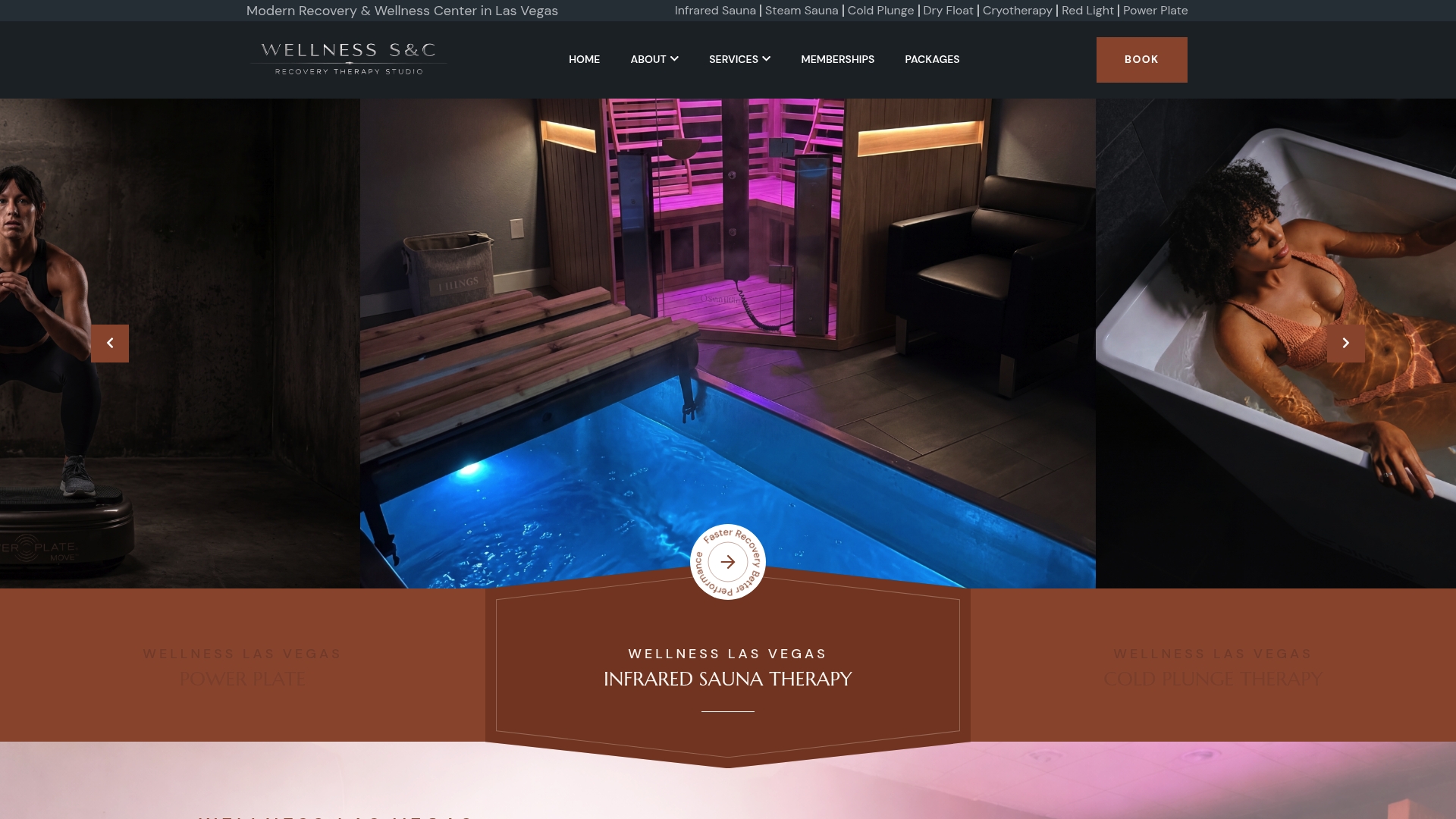
The infrared sauna therapy at Wellnesslasvegas uses lower radiant heat for deeper tissue penetration, making it ideal for recovery, detoxification, and stress relief. For athletes, the infrared sauna recovery program pairs sauna sessions with red light therapy for a complete performance protocol. Book a session and see what a facility built around results actually delivers.
Traditional saunas run between 176°F and 212°F, while infrared saunas use lower radiant heat for longer exposure. Sessions typically last 10–20 minutes depending on the sauna type and your tolerance.
A well-ventilated commercial sauna requires 6–8 air exchanges per hour. If the air feels thick or you notice a stale odor within the first minute, the facility does not meet that standard.
Look for bench disinfection between users, fresh towels, clean showers, and a natural wood scent. Chemical or artificial odors indicate poor materials or inadequate sanitation practices.
Yes. Outward-swinging doors, non-slip floors, burn guards on heaters, and visible thermometers are standard safety requirements for commercial sauna facilities. Their absence is a clear warning sign.
Always. Many facilities offer day passes or trial sessions. Test the sauna at the time of day you plan to use it regularly to verify consistent heat performance and cleanliness under real conditions.

