- Infrared Sauna Las Vegas | Cold Plunge & Cryotherapy

Circulation improvement techniques are evidence-backed methods that increase blood flow, support cardiovascular health, and speed up recovery. Your circulatory system delivers oxygen and nutrients to every cell in your body, so when flow slows down, everything suffers: energy drops, muscles ache, and recovery drags. The American Heart Association recommends at least 150 minutes of moderate physical activity per week as a baseline for cardiovascular health. Beyond exercise, methods like far-infrared therapy, contrast hydrotherapy, dietary nitrates, and targeted hydration strategies each address blood flow from a different angle. Wellnesslasvegas brings several of these therapies together under one roof in Las Vegas, making it easier to build a consistent, results-driven routine.
Physical activity is the most direct and well-researched way to improve blood flow. Movement forces your heart to pump harder, expands blood vessels, and activates the calf muscle pump, which pushes blood back up from your legs toward your heart. Without regular movement, venous return slows and blood pools in the lower extremities.
The 150 minutes per week guideline from clinical research covers moderate activities like brisk walking, cycling, and swimming. These raise your heart rate enough to stimulate vascular adaptation without placing excessive stress on joints or the cardiovascular system. Consistency matters more than intensity for most people.
For those with limited time or mobility, blood flow restriction (BFR) training offers a compelling alternative. BFR training twice-weekly for 20 minutes over 8 weeks improves cardiorespiratory fitness and reduces hemodynamic load. That means your heart works more efficiently at rest, which is a measurable, lasting benefit from a short weekly commitment.
Here is a practical progression for building exercise-based circulation habits:
Pro Tip: Set a timer for every 45 minutes during desk work. Do 10–15 ankle pumps or march in place for 90 seconds. This simple habit maintains venous return throughout the workday without disrupting your focus.
You can read more about how structured activity supports full-body circulation benefits and what the research says about exercise regimens for blood flow.
What you eat and drink directly shapes how well your blood moves. Certain foods trigger nitric oxide production, which relaxes blood vessel walls and allows more flow. Others cause inflammation and plaque buildup that narrows vessels over time.
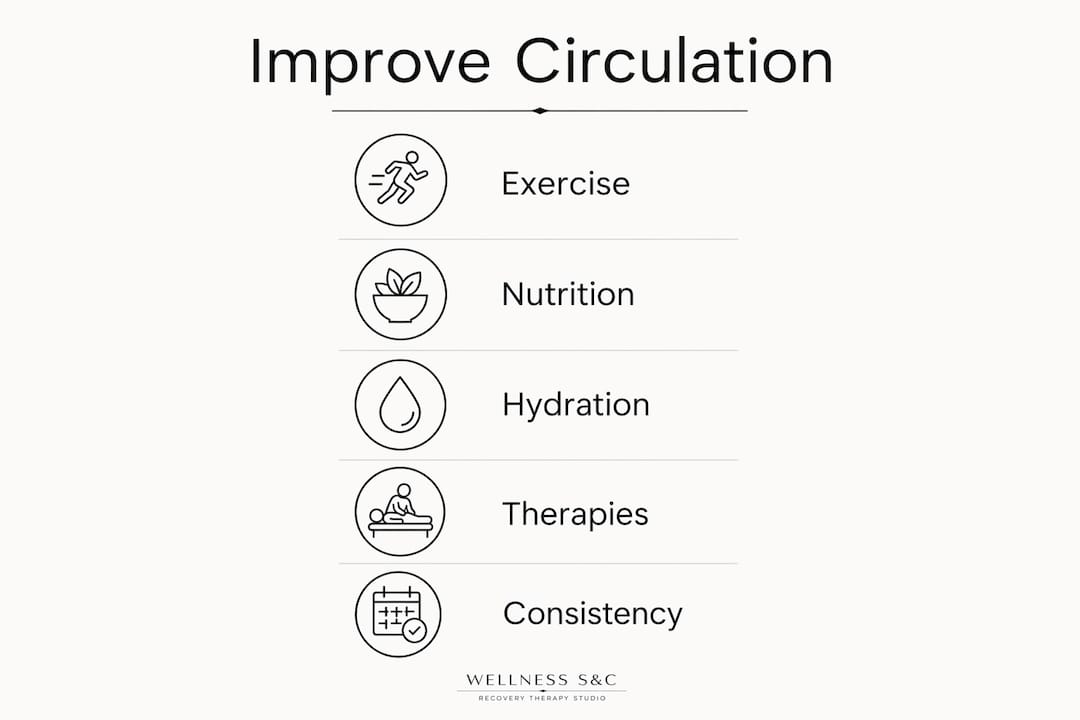
Dietary nitrates are the most studied natural circulation boosters. A single 500ml dose of beetroot juice produces measurable cardiovascular effects within hours by raising nitric oxide levels and improving endothelial function. Leafy greens like spinach and arugula deliver similar nitrate loads through regular meals.
Key foods that support blood flow:
Foods to limit or avoid:
Hydration is equally critical. Mild dehydration thickens blood and forces the heart to work harder to push it through vessels. Drinking 6–8 glasses of water daily keeps blood at the right viscosity for efficient flow. A practical check: pale yellow urine indicates good hydration; dark yellow signals you need more fluid.
Smoking causes immediate vasoconstriction and long-term vascular damage that reduces circulation. Quitting produces measurable improvements within weeks, making it one of the highest-impact lifestyle changes for blood flow.
Pro Tip: Take a 10-minute walk after meals. Brief post-meal movement improves immediate blood flow more effectively than a single long session later in the day, and it helps regulate blood sugar at the same time.
Exercise and diet lay the foundation, but several therapies accelerate results by directly stimulating vascular responses. These methods work through heat, cold, pressure, and mechanical action on the circulatory system.

Far-infrared (FIR) therapy uses specific light wavelengths to penetrate skin and warm tissue from within. A single 20-minute FIR session increases cutaneous blood flow by 30.2% without raising blood pressure or heart rate. That makes it one of the safest passive therapies for people who cannot tolerate intense exercise. Wellnesslasvegas offers infrared sauna sessions that deliver this effect in a private, controlled environment.
Contrast hydrotherapy alternates between warm and cold water exposure. Heat causes vasodilation; cold triggers vasoconstriction. Cycling between these states trains blood vessels to respond more efficiently, improving peripheral circulation over time. A safe starting protocol is 3 minutes of warm water followed by 30–60 seconds of cold. Finish on cold for the strongest vascular response.
Compression stockings apply graduated pressure to the legs, pushing blood upward and reducing pooling. Elevating your legs above heart level for 15–30 minutes, two to three times daily, uses gravity to assist venous return and reduce swelling. Both methods are especially useful for people with venous insufficiency or those who sit for long periods.
For readers dealing with visible vein concerns, professional vein treatments from a dermatology or vascular specialist can address underlying structural issues that lifestyle changes alone cannot resolve.
No single approach works equally well for everyone. Age, medical history, fitness level, and daily routine all shape which blood flow enhancement methods deliver the best results for you.
Nitric oxide production declines with age, which is why older adults often notice poorer circulation even with regular activity. Targeted interventions like dietary nitrates, FIR therapy, and BFR training directly compensate for this decline. Younger people benefit more from high-intensity cardiovascular exercise, which builds long-term vascular elasticity.
Medical conditions require specific adjustments:
Consistency matters more than any single technique. Poor circulation is largely reversible with sustained lifestyle changes, but sporadic effort produces minimal results. Build habits gradually, adding one new method every two weeks rather than overhauling everything at once.
Combining methods produces better outcomes than relying on one alone. Pairing FIR therapy with post-session hydration, for example, amplifies the circulatory benefit because the therapy increases surface blood flow while water intake maintains viscosity. Similarly, a short walk after a contrast therapy session extends the vascular cycling effect.
Pro Tip: Track your progress with a simple daily log: note energy levels, limb temperature, and any swelling. These subjective markers reveal whether your current approach is working before you invest in more advanced therapies.
The most effective approach to improving circulation combines regular physical activity, targeted nutrition, consistent hydration, and evidence-backed therapies applied in a way that fits your specific health profile.
| Point | Details |
|---|---|
| Exercise is the foundation | Aim for 150 minutes of moderate activity weekly; add BFR training for time-efficient cardiovascular gains. |
| Diet drives nitric oxide | Eat beetroot, leafy greens, garlic, and omega-3-rich foods daily to support vessel relaxation and blood flow. |
| Hydration reduces workload | Drink 6–8 glasses of water daily to keep blood viscosity low and reduce strain on the heart. |
| FIR therapy boosts surface flow | A 20-minute session increases cutaneous blood flow by 30.2% with no systemic side effects. |
| Personalize for your profile | Adjust methods based on age, medical conditions, and fitness level for consistent, lasting results. |
People focus almost entirely on exercise when they talk about improving circulation. Exercise matters, but it is not the whole picture. I have seen people who walk daily and still struggle with cold hands, fatigue, and slow recovery because they ignore hydration, breathing, and thermal therapies.
The most underrated technique is deep diaphragmatic breathing. It costs nothing, takes two minutes, and activates the same cardiovascular pathways as cold exposure. Most people breathe shallowly all day and never realize it is limiting their circulation. Spend five minutes each morning breathing from your belly, and you will notice a difference within a week.
The other thing I consistently see people get wrong is inconsistency. They try contrast therapy for three days, feel great, then stop. Circulation improvement is cumulative. The vascular adaptations that matter most, like improved vessel elasticity and better nitric oxide production, take weeks to build. One good week followed by two bad ones erases most of the progress.
My honest recommendation: pick two or three methods that fit your actual schedule, not your ideal schedule. A 20-minute walk and a cold shower finish every morning beats an elaborate protocol you abandon by thursday. Start small, stay consistent, and add complexity only when the basics are locked in.
— Argjenta
Wellnesslasvegas offers a range of therapies that directly support the circulation strategies covered in this article. The infrared sauna in Las Vegas delivers the 20-minute FIR sessions shown to increase cutaneous blood flow by 30.2%, in a private room with premium equipment. For contrast therapy, the facility combines cold plunge and sauna access in one visit, giving you the full vascular cycling protocol without improvising at home.
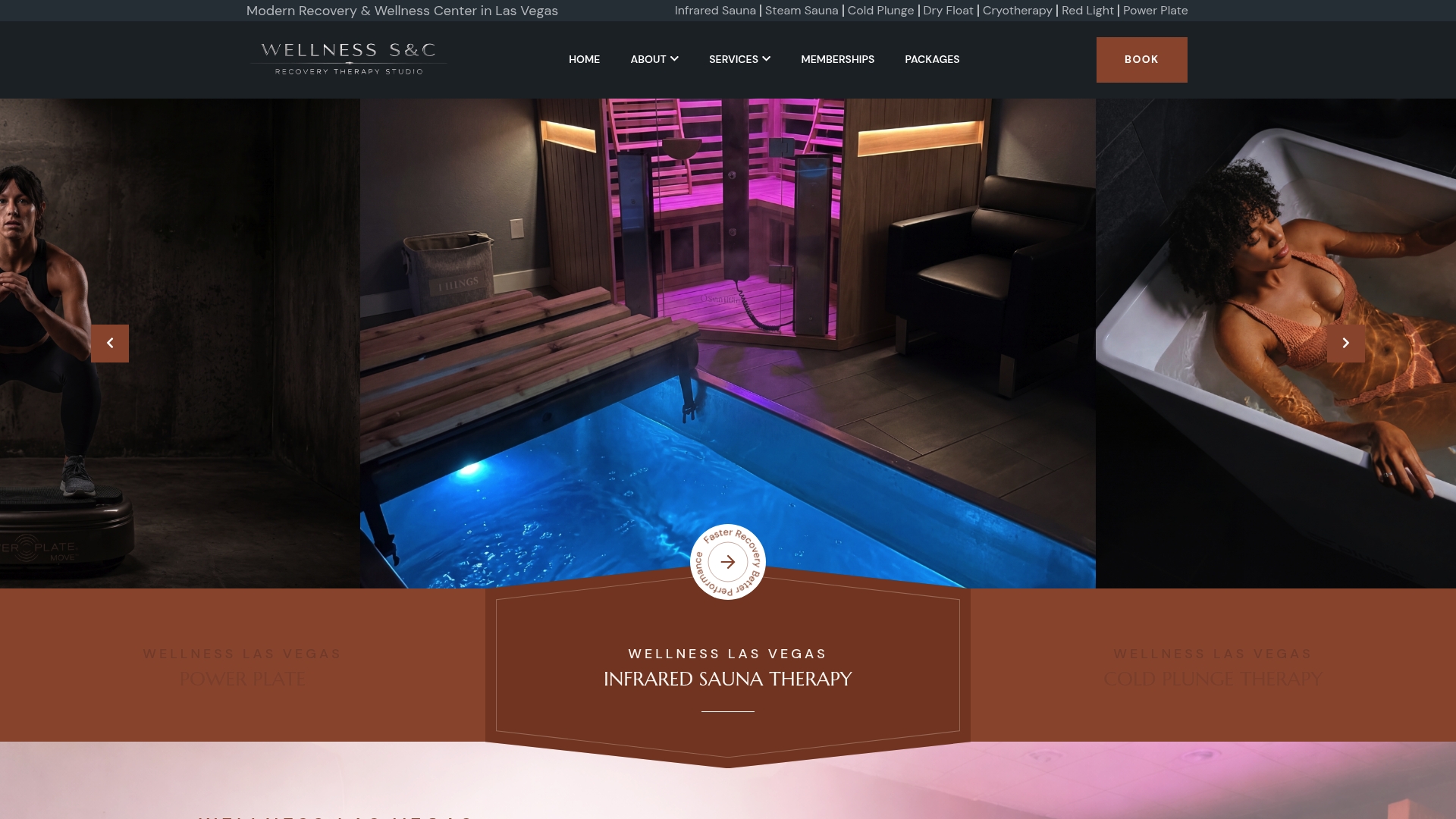
Whether you are recovering from training, managing a desk-heavy work schedule, or simply focused on long-term cardiovascular health, Wellnesslasvegas builds sessions around your goals. You can also pair infrared sauna with contrast therapy in Las Vegas for a combined approach that addresses both surface and deep circulation in a single visit. Book a session and experience what a structured, science-backed recovery protocol actually feels like.
Physical activity produces the fastest measurable improvement. A 20-minute walk or a BFR training session increases blood flow within minutes and produces lasting cardiovascular benefits with consistent practice.
A single 20-minute FIR session increases cutaneous blood flow by 30.2% by warming tissue from within and triggering vasodilation, without affecting blood pressure or heart rate.
Diet supports circulation significantly through nitric oxide production and reduced blood viscosity, but it works best when combined with regular movement and adequate hydration rather than as a standalone fix.
Most protocols recommend contrast therapy three to five times per week. Start with 3 minutes warm followed by 30–60 seconds cold, and finish on the cold side for the strongest vascular response.
Poor circulation caused by lifestyle factors is largely reversible with consistent interventions including exercise, dietary changes, hydration, and targeted therapies. Improvements become noticeable within weeks of sustained effort.

