- Infrared Sauna Las Vegas | Cold Plunge & Cryotherapy

Post-workout stress is defined as the physiological and psychological strain that persists after intense exercise, driven primarily by elevated cortisol and sustained sympathetic nervous system activity. Knowing how to reduce post-workout stress is not optional for serious fitness enthusiasts. It is the difference between consistent progress and chronic fatigue. Your body needs a clear signal to shift from fight-or-flight into rest-and-repair mode, and that shift does not happen automatically. At Wellnesslasvegas, we work with athletes and busy Las Vegas professionals every day who train hard but recover poorly, and the pattern is almost always the same: the workout ends, but the stress does not.
Exercise is a controlled stressor. Your body responds to it the same way it responds to any threat: by activating the sympathetic nervous system and releasing cortisol. Understanding this process is the first step toward managing it.
Here is what happens inside your body immediately after a hard session:
The parasympathetic nervous system, often called the “rest-and-digest” system, is the antidote to all of the above. Every recovery technique worth using works by activating it faster and more completely.
A structured cooldown is the single most skipped recovery step in most fitness routines. Skipping it is not just inconvenient. Abruptly stopping exercise causes blood pooling and sends a confusing signal to the endocrine system, extending the stress response well beyond what is necessary.
A structured 8–12 minute cooldown with active recovery and static stretching reduces delayed-onset muscle soreness by 25% and improves flexibility by 12%. That is a meaningful return for less than 15 minutes of effort.
| Cooldown Method | Duration | Primary Benefit |
|---|---|---|
| Active movement only | 3–5 min | Reduces blood pooling, lowers heart rate |
| Static stretching only | 5–10 min | Improves flexibility, reduces soreness |
| Combined active + static | 8–12 min | 25% soreness reduction, 12% flexibility gain |
| No cooldown | 0 min | Increased injury risk, prolonged cortisol spike |
The most frequent error is rushing straight to the locker room. The second is holding stretches for only 10–15 seconds, which is too short to produce meaningful change in muscle length or tension. A 30-week study found a 30% decrease in injury rates for people who used a structured cooldown compared to those who stopped immediately. That number alone should change your post-gym habit.
Pro Tip: Set a 10-minute timer on your phone the moment your main workout ends. Treat the cooldown as part of the session, not an optional add-on. Athletes who do this consistently report less next-day soreness within two weeks.
Stretching addresses the muscles. Relaxation techniques address the nervous system. Focusing recovery solely on stretching ignores the nervous system’s role, and that is where most people leave results on the table.
These four methods work together to lower cortisol and activate the parasympathetic system:
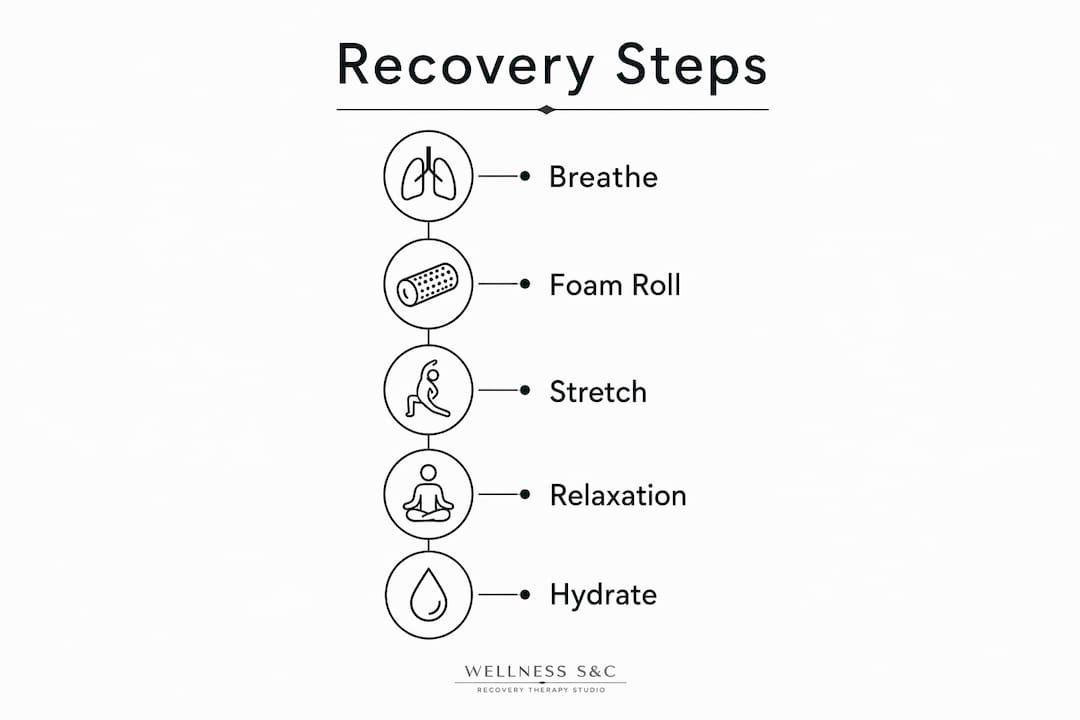
The most effective approach combines all four in sequence: breathe first, then foam roll, then stretch, then close with a brief meditation. This sequence mirrors how the nervous system naturally wants to downshift.
Pro Tip: If you work with a therapist for stress management, ask about breathing-based relaxation protocols that translate directly into post-workout recovery. The overlap between clinical stress reduction and athletic recovery is larger than most people realize.
Physical techniques get your nervous system pointed in the right direction. Nutrition, hydration, and sleep determine how far it actually travels.
Pro Tip: Prepare your post-workout meal before you train. Decision fatigue after a hard session is real, and having food ready removes the barrier between you and proper recovery nutrition.
The connection between mental stress and physical recovery runs deeper than most fitness plans acknowledge. If you are managing work-related stress alongside training, your cortisol baseline is already elevated before you step into the gym. That means your post-workout recovery window is shorter and your body needs more deliberate support to complete the repair cycle.
The most effective way to reduce post-workout stress is to combine a structured cooldown, targeted breathing techniques, and proper nutrition into a consistent post-exercise routine.
| Point | Details |
|---|---|
| Cooldown duration matters | An 8–12 minute active and static cooldown reduces soreness by 25% and cuts injury risk. |
| Breathing resets the nervous system | A 4-second inhale with a 6–8 second exhale activates the vagal nerve and lowers cortisol fast. |
| Eat within the recovery window | A protein-carbohydrate meal within 30–60 minutes shifts the body from breakdown to repair. |
| Sleep is non-negotiable | 7–9 hours of quality sleep drives growth hormone release and keeps cortisol in check. |
| Combine techniques for best results | Pairing foam rolling, mindfulness, and nutrition produces better outcomes than any single method alone. |
I have spent years watching high-performing people in Las Vegas treat recovery as an afterthought. They train with discipline and intensity, then walk out of the gym and immediately check their phones, rush to meetings, or sit in traffic. The workout ends. The stress does not.
The biggest mistake I see is treating post-workout recovery as passive. People assume the body will sort itself out if they just rest. It will not, at least not efficiently. The nervous system needs active guidance to shift gears. A five-minute breathing practice is not a luxury. It is a physiological intervention that changes your hormonal environment within minutes.
The second pattern I notice is that people in high-stress careers underestimate how much their baseline cortisol affects their gym results. You cannot out-train a chronically stressed nervous system. The science-backed recovery strategies that work for elite athletes work just as well for busy professionals, because the underlying biology is identical.
My honest recommendation: build your post-workout routine the same way you build your training program. Write it down, time it, and treat it as non-negotiable. The people who do this consistently are the ones who keep making progress six months later while everyone else is stuck or injured.
— Argjenta
Your at-home cooldown and breathing routine builds the foundation. Professional recovery therapies take it further.
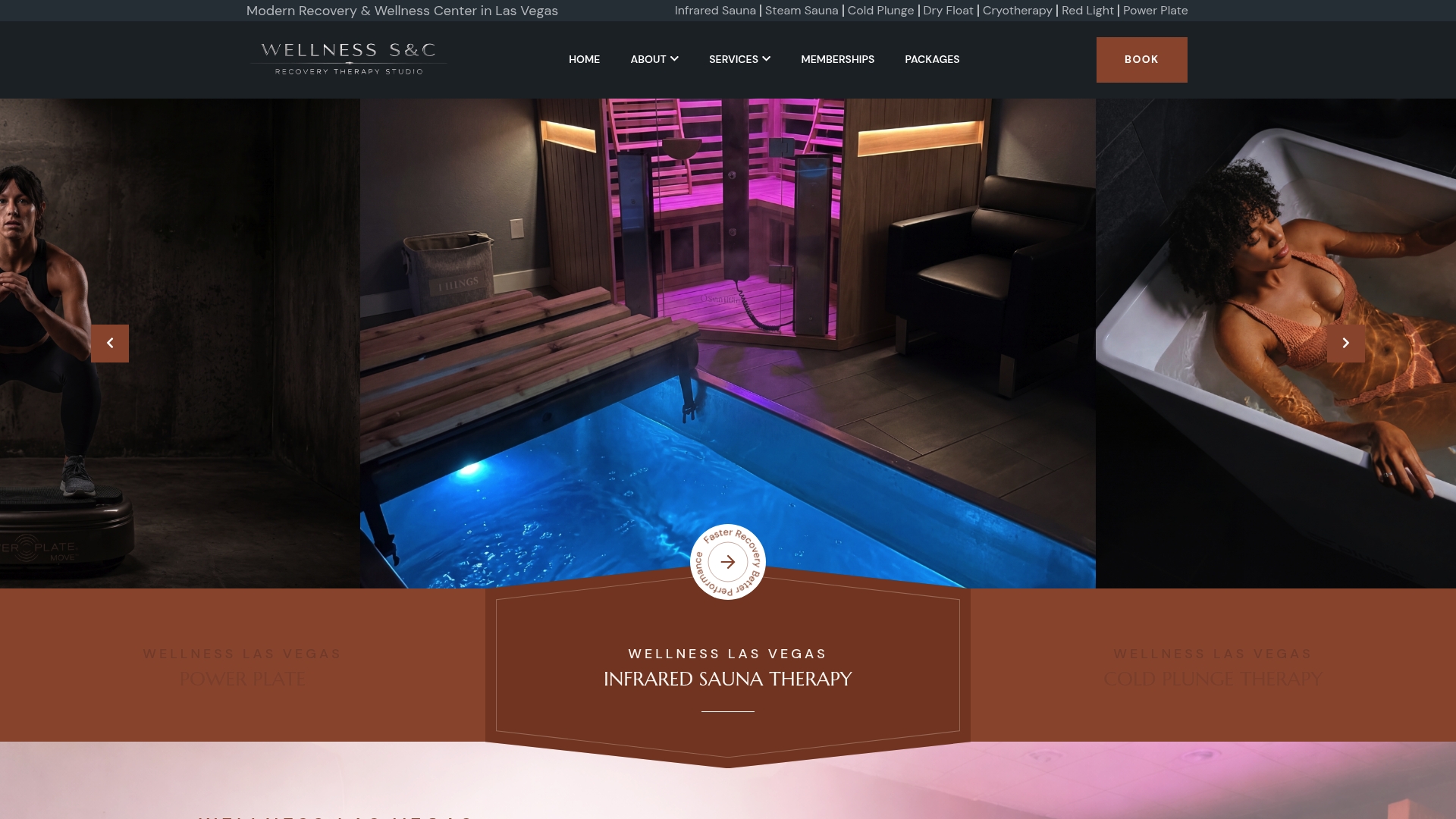
Wellnesslasvegas offers infrared sauna in Las Vegas that raises core body temperature to promote deep muscle relaxation, improve circulation, and accelerate cortisol clearance after training. For those who respond well to cold, cryotherapy in Las Vegas delivers rapid nervous system reset and reduces inflammation in minutes. Wellnesslasvegas also offers contrast therapy combining cold plunge and sauna cycles, which research consistently links to faster heart rate recovery and reduced muscle soreness. Every service is available in private rooms with premium equipment, designed for people who take recovery as seriously as they take their training.
Post-workout cortisol and sympathetic activity typically normalize within 30–60 minutes with proper cooldown and relaxation techniques. Without intervention, elevated stress hormones can persist for several hours.
Slow-paced breathing with a 4-second inhale and 6–8 second exhale is the fastest method. It directly activates the vagal nerve and shifts the autonomic nervous system toward recovery within minutes.
Yes. A gradual cooldown reduces injury rates by 30% compared to abrupt stopping. Stopping suddenly causes blood pooling and prolongs the cortisol spike that slows recovery.
A protein-carbohydrate meal within 30–60 minutes post-workout lowers cortisol and initiates muscle repair. Skipping this window keeps the body in a catabolic, stress-elevated state longer than necessary.
Infrared sauna raises core body temperature, which promotes muscle relaxation, improves circulation, and supports cortisol clearance. It is a passive recovery method that complements active cooldown and breathing techniques.

