- Infrared Sauna Las Vegas | Cold Plunge & Cryotherapy

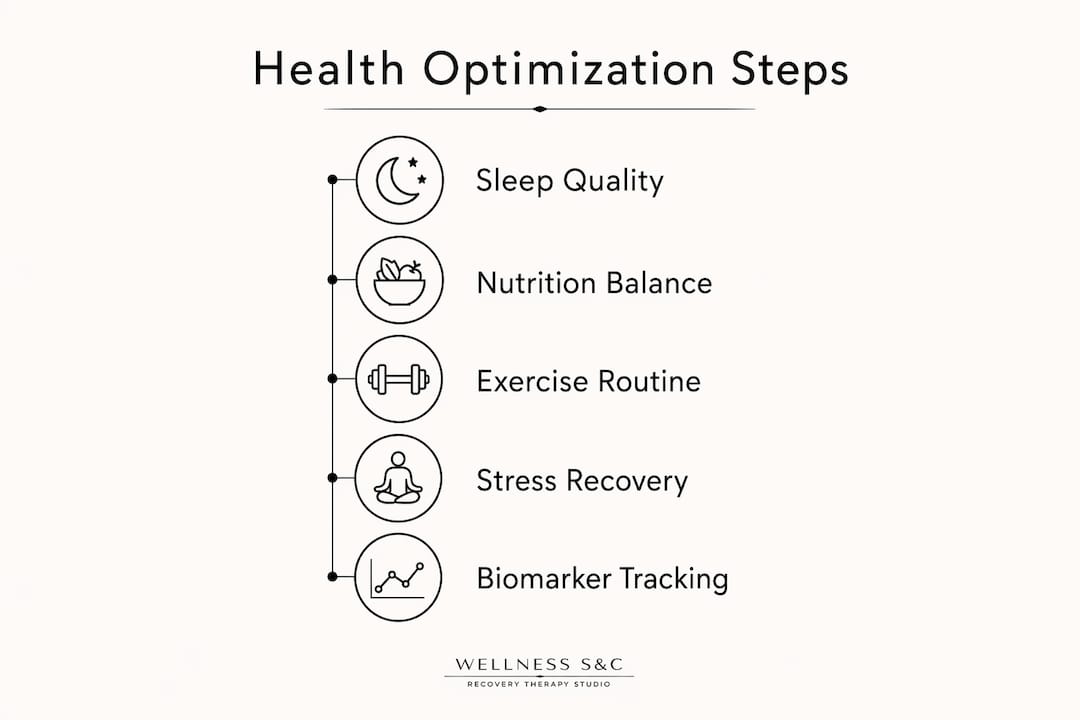
A health optimization checklist is a step-by-step, evidence-based framework that guides you through the most impactful lifestyle changes to maximize energy, metabolic health, and longevity. In the wellness world, this concept is also called a “performance health protocol,” and the two terms are used interchangeably here. The framework works by targeting four foundational levers first: sleep, nutrition, exercise, and stress management. Only after those are solid do advanced tactics like supplements, biomarker testing, and recovery therapies add meaningful value. This guide walks you through every layer, from baseline assessment to Las Vegas recovery resources, so you can build a plan that actually sticks.
The four foundational levers of any successful health plan are sleep, nutrition, exercise, and stress management. No supplement or biohack compensates for deficits in these areas. Getting these right first is the single highest-return move you can make.
Seven to nine hours of sleep per night is the clinical target for adults. Consistency matters as much as duration. Going to bed and waking at the same time every day, even on weekends, anchors your circadian rhythm and improves both deep sleep and REM cycles. Poor sleep raises cortisol, blunts insulin sensitivity, and accelerates biological aging faster than almost any other single factor.
A protein intake of 1.6 g per kilogram of body weight per day supports muscle retention and metabolic health. That number is not a ceiling; it is a floor. Pair adequate protein with a plant-forward diet rich in fiber, polyphenols, and micronutrients. There is no single perfect diet, but sustainable, protein-adequate patterns tailored to your lifestyle consistently outperform rigid plans in long-term adherence.
The evidence-based target is 150 minutes of Zone 2 cardio per week, combined with two to three resistance training sessions. Zone 2 means a pace where you can hold a conversation but feel challenged. This intensity builds mitochondrial density and improves insulin sensitivity. Reaching the top quartile for VO2 max reduces all-cause mortality risk four to five times compared to the lowest quartile. That single data point reframes cardio fitness as a life-or-death priority.
Burnout comes from energy depletion, not poor time management. Scheduling deliberate rest, setting firm boundaries, and building social connection into your week are not soft suggestions. They are physiological requirements. You can also explore stress reduction methods that combine psychological and physiological approaches for faster results.
Pro Tip: Get 5–15 minutes of morning sunlight exposure daily. It triggers cortisol regulation and sets your melatonin cycle for better sleep that night, at zero cost.
You cannot improve what you do not measure. A well-designed well-being assessment tool starts with biomarkers, body composition, and fitness testing before any intervention begins.
The following targets come from evidence-based longevity protocols:
Annual comprehensive testing covers these markers. If your results fall outside these ranges, you have a clear, prioritized target. A preventive health checklist from a primary care provider can help you order the right panels and interpret results in context.
DEXA scanning measures lean mass, fat mass, and bone density with clinical accuracy. It gives you numbers that a standard scale never will. VO2 max testing, available through sports medicine clinics and some gym facilities, serves as your north star for cardiometabolic health. Wearables provide continuous data on heart rate variability and sleep stages that lab tests alone cannot capture. HRV trends over weeks tell you whether your recovery is improving or declining before symptoms appear. Retest key biomarkers every six months and body composition every three to four months to track real change.
Once you have baseline data, you build your plan around SMART goals tied to specific metrics. Vague intentions produce vague results.
Set a sleep target. Aim for a consistent bedtime within a 30-minute window. Track sleep stages with a wearable for two weeks to identify your biggest gaps, whether that is total duration, deep sleep, or REM.
Nail your protein timing. Distribute protein across three to four meals rather than loading it at dinner. Each meal should contain at least 30–40 g of protein to maximize muscle protein synthesis. Add 25–35 g of fiber daily from vegetables, legumes, and whole grains.
Build your exercise week. Use backcasting to set your targets. Backcasting from age-related decline means calculating the VO2 max you want at age 70, then working backward to determine what you need to achieve this year. This turns a vague fitness goal into a specific annual training target.
Schedule recovery deliberately. Block recovery time the same way you block meetings. A recovery essentials checklist covers the specific protocols, from sleep hygiene to active recovery sessions, that prevent the energy depletion that leads to burnout.
Add supplements only after foundations are solid. The supplements with the strongest evidence are creatine monohydrate at 5 g per day, magnesium at 300–400 mg per day, and omega-3 fatty acids at 1–3 g of EPA plus DHA per day. Creatine supports both muscle and cognitive function. Magnesium improves sleep quality and insulin sensitivity.
Hydrate to a baseline. Roughly 85 oz of water daily supports energy and cognitive function for average adults. Losing just 1–2% of body water causes measurable fatigue and reduced focus. In Las Vegas, where dry desert air accelerates fluid loss, this number often needs to go higher.
Pro Tip: Do a quarterly energy audit. Identify your three biggest recurring energy leaks, whether that is poor sleep, skipped meals, or overcommitment, and address the smallest one first. Minimum-effort fixes applied consistently outperform complex protocols.
Tracking without a review cycle is just data collection. The goal is to act on what you find.
Review cycles: Revisit key metrics every three to six months. Compare biomarkers, body composition, and fitness scores against your baseline. A plateau in VO2 max after three months signals a need to increase training volume or intensity. A rise in fasting insulin despite dietary changes points to sleep or stress as the likely culprit.
Interpreting declines: A drop in HRV over two or more weeks is an early warning sign, not a crisis. It usually means your recovery load is too low relative to your stress load. Reduce training intensity for one week before adding any new intervention.
Common pitfalls to avoid:
Sustainable rhythm: Health tracking works best when it feels like a feedback loop, not a report card. Small, consistent adjustments compound over months into significant results.
Once your foundations are consistent, targeted therapies and advanced diagnostics add a meaningful second layer to your wellness guide.
Las Vegas residents have direct access to all of these therapies locally. Wellnesslasvegas offers infrared sauna, cold plunge, cryotherapy, red light therapy, and contrast therapy in a private, professional setting built for consistent use.

A structured health improvement checklist built on sleep, nutrition, exercise, and stress management delivers the largest measurable gains in biological age, energy, and metabolic health before any advanced intervention is needed.
| Point | Details |
|---|---|
| Foundations first | Sleep, nutrition, exercise, and stress management produce the majority of measurable health gains. |
| Biomarker targets matter | Track ApoB, fasting insulin, Vitamin D, and Omega-3 index annually to catch problems early. |
| Backcasting sets real goals | Calculate the fitness level you need at 70, then work backward to set this year’s training target. |
| Supplements come last | Creatine, magnesium, and omega-3s add value only after lifestyle foundations are consistent. |
| Review every 3–6 months | Scheduled review cycles turn data into decisions and prevent stagnation. |
Most people I talk to in Las Vegas are already buying supplements, booking recovery sessions, and tracking every metric before they have fixed their sleep. That is the wrong sequence, and it costs real money and real time.
The research is clear: foundation behaviors account for the vast majority of biological age improvement. Creatine will not rescue a person sleeping five hours a night. Red light therapy will not undo chronic stress. These tools work best as amplifiers of an already solid base, not as substitutes for one.
What I have seen work consistently is a sequence, not a stack. Fix sleep first. Then nutrition. Then exercise volume. Then stress rhythms. Only after those four are running reliably does the next layer, whether that is sauna, cold plunge, or advanced testing, produce the return people expect from it.
Las Vegas presents a specific challenge here. The city runs on late nights, irregular schedules, and high stimulation. That environment makes circadian rhythm disruption almost the default. If you live or work here, your health tracking checklist needs to account for that reality explicitly. Build your sleep schedule around your actual life, not an idealized one.
Incremental progress is real progress. A 10% improvement in VO2 max over six months, a fasting insulin that drops from 12 to 6, a consistent bedtime that holds five nights out of seven. These are wins worth tracking and building on.
— Argjenta
Wellnesslasvegas brings the most evidence-backed recovery therapies together in one Las Vegas facility, making it straightforward to add the second layer of your health plan without traveling across the city.
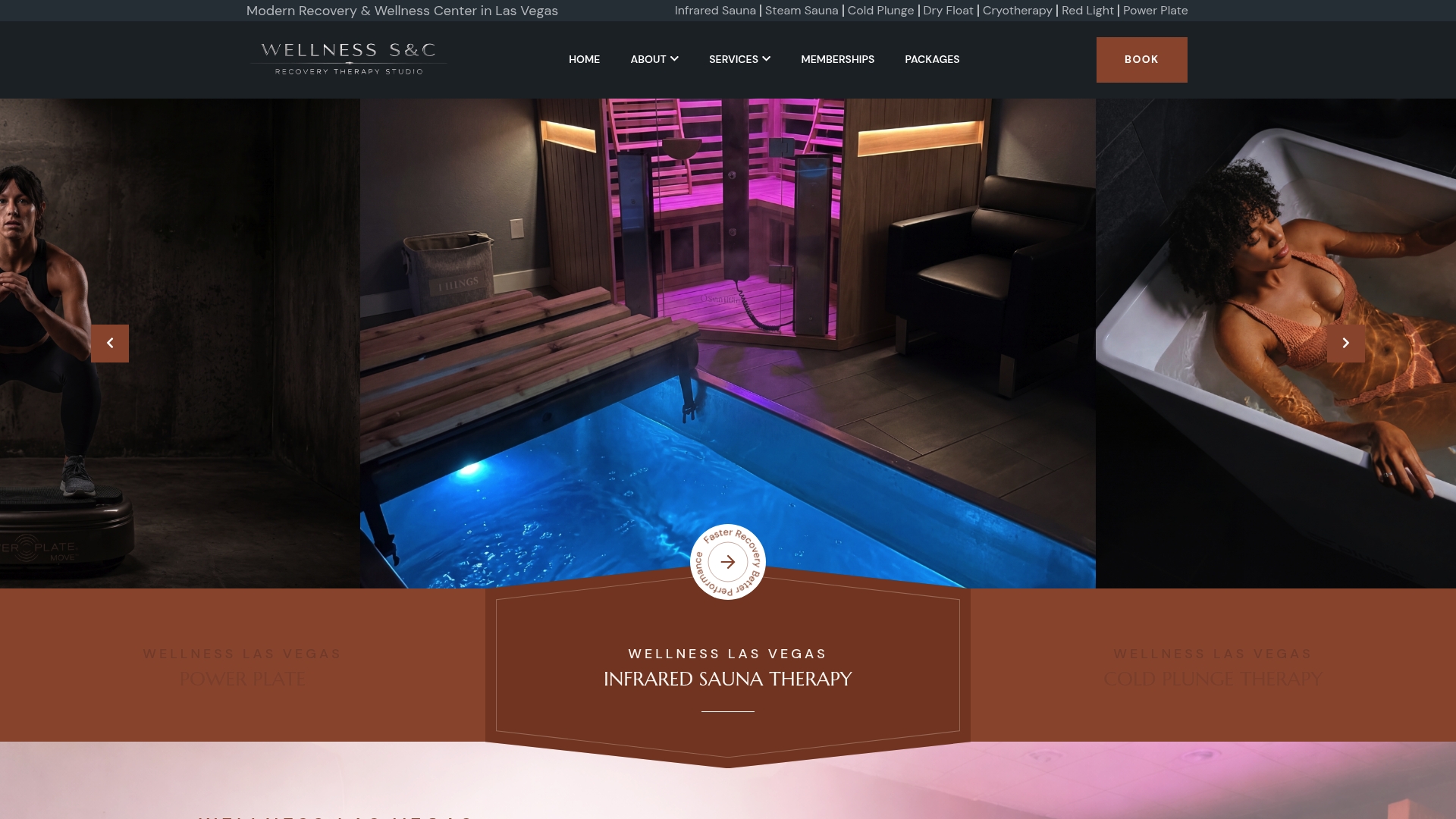
The infrared sauna in Las Vegas at Wellnesslasvegas supports circulation, detoxification, and cardiovascular conditioning in private, comfortable rooms. Pair it with contrast therapy, which alternates cold plunge and sauna to accelerate muscle recovery and reduce inflammation. Red light therapy sessions complement both by targeting cellular repair and reducing soreness between training days. Every service is available individually or as part of a personalized recovery plan. Book your first session at Wellnesslasvegas and put your checklist into practice.
A health optimization checklist is a prioritized, evidence-based framework covering sleep, nutrition, exercise, stress management, and biomarker tracking. It guides you from baseline assessment through measurable lifestyle improvements.
Start with ApoB, fasting insulin, Vitamin D, and Omega-3 index. These four markers cover cardiovascular risk, metabolic health, and inflammation with a single annual blood panel.
Review key biomarkers and fitness metrics every three to six months. More frequent reviews, such as monthly HRV trends from a wearable, help you catch recovery issues before they become setbacks.
No. Creatine, magnesium, and omega-3s add measurable benefits only after sleep, nutrition, and exercise are consistent. Used before the foundations are solid, they produce minimal return.
Sauna use four or more times per week is associated with significantly lower all-cause mortality risk. It works best as a recovery and cardiovascular conditioning tool layered on top of regular exercise, not as a standalone intervention.

