- Infrared Sauna Las Vegas | Cold Plunge & Cryotherapy

Infrared heat therapy is defined as a non-invasive treatment that uses infrared light wavelengths to penetrate tissue and trigger biological repair processes. The benefits of infrared heat for injuries go far beyond surface warmth. Unlike traditional heating pads, infrared energy reaches 2–3 inches beneath the skin, activating heat shock proteins and reducing oxidative stress at the cellular level. Athletes, active adults, and chronic pain sufferers in Las Vegas are turning to infrared therapy because it accelerates healing, reduces inflammation, and relieves pain without pharmaceuticals. Wellnesslasvegas offers this therapy as part of a science-backed recovery program designed for real results.
Infrared therapy works by triggering a chain of biological responses that traditional heat simply cannot reach. The most important mechanism is vasodilation. Blood flow increases 50–70% during infrared exposure, which floods injured tissue with oxygen and nutrients while flushing out metabolic waste. That level of circulation boost is what separates infrared from a standard heating pad.
Heat shock proteins are the second key player. These proteins activate when your cells detect elevated temperature, and they protect existing proteins from damage while supporting the repair of injured ones. Think of them as your body’s internal repair crew, called in the moment conditions get demanding. Infrared heat reliably triggers this response at tissue depths that surface heat cannot reach.

Mitochondrial ATP production also increases during infrared sessions. More ATP means more cellular energy available for tissue regeneration. Combined with reduced inflammatory cytokines like IL-6 and TNF-α, the result is a healing environment that is faster and less painful than passive rest alone.
Key physiological effects of infrared heat on injured tissue:
Pro Tip: Apply infrared heat only after the acute inflammatory phase has passed. Waiting at least 72 hours post-injury gives your body time to complete its initial repair signal before you introduce heat.
Infrared heat stimulates the release of endorphins and enkephalins, the body’s natural pain-modulating compounds. Endogenous opioid release during infrared sessions reduces pain perception without the side effects of pharmaceutical options. This makes infrared therapy especially valuable for people managing recurring injuries or chronic pain conditions.
The effect is not just temporary comfort. Repeated sessions reduce nerve sensitization in the injured area over time, meaning your pain threshold improves with consistent use. For Las Vegas athletes dealing with overuse injuries or weekend warriors recovering from acute strains, this natural pain relief pathway is a meaningful advantage.
Inflammation is a necessary part of healing, but excess inflammation slows recovery and increases pain. Infrared heat reduces the production of pro-inflammatory cytokines, which are the chemical signals that sustain swelling and tissue irritation. Improved microcirculation also helps drain excess fluid from swollen tissue, reducing edema more efficiently than rest alone.
This anti-inflammatory effect is one reason infrared therapy is used in clinical settings for soft tissue injuries. For a deeper look at how this applies to muscle and connective tissue damage, the team at Shephard Health provides useful clinical context on soft tissue treatment approaches.
Microvascular perfusion, meaning blood flow through the smallest capillaries, is critical for wound and tissue healing. Infrared heat expands these tiny vessels, allowing more red blood cells to carry oxygen directly to the repair site. The result is measurably faster tissue closure and regeneration compared to passive recovery.
This benefit is particularly relevant for muscle tears, ligament sprains, and post-surgical recovery. The improved blood supply also means that nutrients like collagen precursors reach the injury site in greater quantities, supporting structural repair of damaged fibers.
Muscle spasms after injury are the body’s protective response, but they often persist longer than necessary and create secondary pain. Infrared heat relaxes muscle fibers directly by raising tissue temperature and improving blood flow to tense areas. The warmth signals the nervous system to reduce the protective guarding response.
This is different from what a surface-level heating pad achieves. Because infrared penetrates deeper, it reaches the belly of the muscle rather than just the skin above it. Athletes using infrared sauna for recovery consistently report reduced muscle tightness and improved range of motion after sessions.
Tendons and ligaments become more pliable when their temperature rises. Infrared heat raises deep tissue temperature enough to improve the extensibility of collagen-rich connective tissue. This means stretching after an infrared session produces greater gains in flexibility than stretching cold.
For people recovering from joint injuries or post-surgical stiffness, this is a practical advantage. Pairing infrared heat with targeted stretching creates a compounding effect: the tissue is more receptive, and the stretch produces lasting changes in mobility rather than temporary relief.
One underappreciated benefit of infrared therapy is its cardiovascular effect. Heart rate rises to 120–140 bpm during a session, comparable to moderate aerobic exercise. For injured people who cannot train at full intensity, this cardiovascular stimulus helps maintain fitness and circulation without loading the injured area.
Regular sessions also correlate with improved heart rate variability after 4–8 weeks of consistent use. Better HRV signals stronger autonomic recovery, meaning your nervous system handles stress more efficiently. That matters for both physical recovery and overall resilience.
Infrared heat therapy carries a low risk profile when used correctly. It requires no needles, no medication, and no recovery time after a session. For people who want to reduce their reliance on anti-inflammatory drugs or pain medications, infrared therapy offers a credible alternative pathway.
Infrared heating is also gentler than traditional saunas because it heats the body directly without raising air temperature excessively. This allows longer, more comfortable sessions with sustained therapeutic benefit. People who find conventional saunas too intense often tolerate infrared sessions well.
A standard infrared session at a facility like Wellnesslasvegas runs 20–30 minutes at 140–160°F. That temperature range produces effective deep tissue penetration without causing discomfort or overheating. Your heart rate will rise similarly to a brisk walk, which means you are getting a cardiovascular benefit alongside the tissue repair effects.
Practical session guidelines for injury recovery:
Pro Tip: Schedule your infrared session before stretching or physical therapy, not after. Warmed tissue responds better to manual work and stretching, which means you get more from both treatments in the same visit.
Safety considerations matter. People with cardiovascular conditions, pregnancy, or active infections should consult a physician before starting infrared therapy. Infrared heat is a complement to medical care, not a replacement for it.
Athletes in Las Vegas integrate infrared therapy strategically, not just as passive recovery. Athletes recover 23% faster from muscle injuries using infrared heat compared to ice therapy alone. That difference in return-to-sport timelines is significant for anyone competing or training on a schedule.
The cardiovascular stimulus from infrared also helps athletes maintain aerobic conditioning during periods of reduced training. When a sprained ankle or strained hamstring forces you off the field, infrared sessions keep your heart rate and circulation active without mechanical load on the injury. Athletes also use infrared heat to increase heat tolerance and support red blood cell production, which benefits endurance performance over time.
Multimodal recovery strategies work best. Infrared therapy is most effective when combined with physical therapy and progressive exercise rather than used in isolation. The combination of infrared heat, targeted rehabilitation, and behavioral recovery practices produces faster and more complete outcomes than any single modality alone. For Las Vegas athletes looking for a structured approach, Wellnesslasvegas offers athlete-focused infrared programs built around these principles.
Infrared heat therapy has real limits, and ignoring them can slow your recovery rather than speed it up.
The therapy works. But it works within a system of care, not outside of it.
Infrared heat therapy accelerates injury recovery by increasing blood flow up to 70%, reducing inflammation, and stimulating cellular repair processes that surface heat cannot reach.
| Point | Details |
|---|---|
| Deep tissue penetration | Infrared reaches 2–3 inches beneath skin, activating heat shock proteins and cellular repair. |
| Blood flow increase | Vasodilation raises circulation by 50–70%, delivering oxygen and nutrients directly to injured tissue. |
| Faster athlete recovery | Athletes using infrared heat recover 23% faster from muscle injuries than those using ice alone. |
| Optimal session parameters | Sessions of 20–30 minutes at 140–160°F, three to four times per week, produce cumulative healing benefits. |
| Timing is critical | Infrared heat should only be applied 72+ hours after injury onset to avoid worsening acute inflammation. |
People come to Wellnesslasvegas expecting infrared therapy to feel like a warm, relaxing treat. What surprises them is how functional it actually is. The cardiovascular response alone, with heart rate climbing to match a moderate walk, changes the conversation from “this feels nice” to “this is doing something.”
What I have seen consistently is that the people who get the most from infrared therapy are the ones who treat it like a training tool rather than a spa service. They show up three to four times a week. They stretch immediately after. They combine it with physical therapy. The people who use it once a week and expect dramatic results are the ones who walk away disappointed.
The other thing most articles miss is the mental recovery component. Chronic pain is exhausting. Infrared sessions give people a structured, quiet window where their body is actively working on repair. That psychological shift, knowing you are doing something productive for your recovery, matters more than most clinical studies measure.
If you are in Las Vegas and dealing with a nagging injury, do not wait until you are desperate. Start infrared therapy as soon as the acute phase passes and build it into your weekly routine. The compounding effect over four to eight weeks is where the real change happens. You can explore the science behind infrared pain relief to go deeper on the research before your first session.
— Argjenta
Wellnesslasvegas offers private infrared sauna sessions designed specifically for injury recovery and pain relief in Las Vegas. Each session runs in a clean, temperature-controlled private room with expert guidance on session length and frequency based on your specific condition.
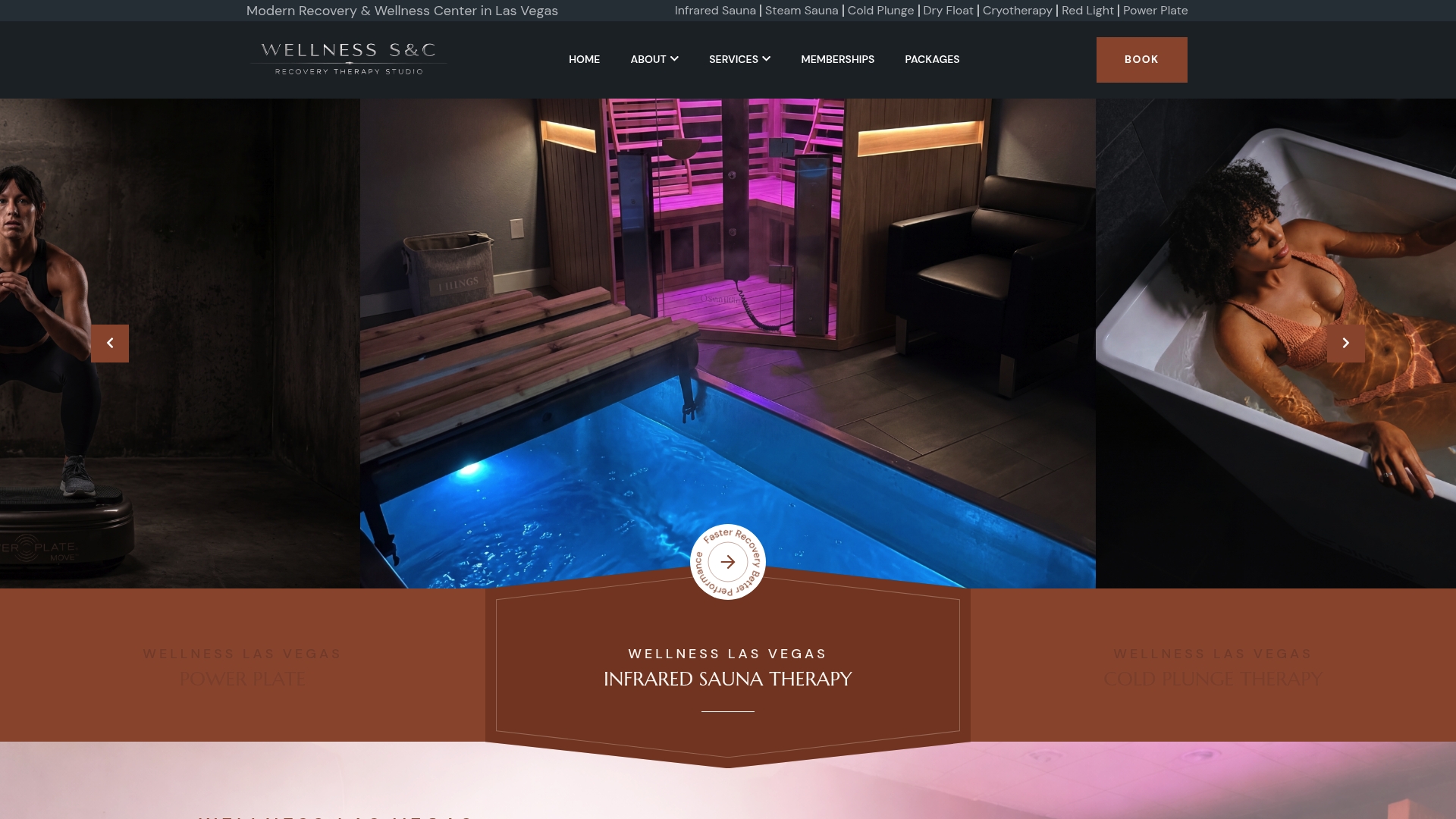
Whether you are recovering from a sports injury, managing chronic pain, or looking to maintain fitness during a period of reduced activity, the infrared sauna services at Wellnesslasvegas are built around your recovery goals. You can also pair infrared therapy with red light therapy or cold plunge for a complete recovery protocol. Book a session and let your body start doing what it does best.
Infrared heat therapy increases blood flow by 50–70%, reduces inflammatory cytokines, activates heat shock proteins, and stimulates endorphin release. These effects combine to accelerate tissue repair, reduce pain, and improve range of motion.
Infrared heat should not be applied within the first 24–48 hours post-injury. The ideal window begins at 72 hours or later, once the acute inflammatory phase has subsided and swelling has stabilized.
A session of 20–30 minutes at 140–160°F is the standard recommendation for injury recovery. Three to four sessions per week produces the cumulative benefits most people are looking for.
Research shows athletes using infrared heat recover 23% faster from muscle injuries than those relying on ice therapy alone. Ice is appropriate in the first 24–48 hours; infrared heat becomes the more effective tool after the acute phase.
Infrared therapy works best as a complement to physical therapy and medical care, not a replacement. The combination of infrared heat with rehabilitation exercises and professional guidance produces faster and more complete recovery outcomes.

