- Infrared Sauna Las Vegas | Cold Plunge & Cryotherapy

Blood circulation is defined as the continuous movement of blood through your heart, arteries, capillaries, and veins to deliver oxygen and nutrients to every cell in your body. When circulation is poor, you feel it: cold hands and feet, low energy, slow recovery, and brain fog. Learning how to boost circulation through targeted daily habits is one of the most direct ways to improve your overall health, athletic performance, and long-term wellness. Wellnesslasvegas works with athletes and health-conscious Las Vegas locals every day who see real results when they treat circulation as a priority, not an afterthought.
The most effective way to improve blood flow is through consistent, moderate physical activity. NHS guidelines recommend at least 150 minutes of moderate-intensity exercise per week. That translates to 30 minutes of brisk walking, cycling, or yoga five days a week. That volume is enough to keep your heart pumping efficiently and your vessels flexible.
Hydration plays an equally critical role. Drinking 6–8 glasses of water or fluids daily maintains blood volume and prevents blood from thickening. Thick blood moves slower and puts more strain on your heart. A Banner Health cardiologist confirms that hydration directly supports heart pumping efficiency by keeping blood at the right consistency.
Your diet shapes your vascular health more than most people realize. Foods rich in nitrates, like beets and leafy greens, relax blood vessels and increase flow. Omega-3 fatty acids from salmon and walnuts reduce inflammation in vessel walls. Antioxidant-rich foods like berries and dark chocolate protect vessels from oxidative damage. These are not supplements. They are foods you can add to your next grocery run.
Movement breaks are the habit most people skip. Short breaks every 30–60 minutes prevent circulation from stagnating and reduce stiffness in your legs and lower back. Set a phone timer if you work at a desk. Stand up, roll your ankles, and walk to the kitchen. That two-minute reset keeps blood moving through your lower limbs.
Pro Tip: If you sit for long stretches, try “desk micro-movements”: alternate between seated calf raises, shoulder rolls, and ankle circles every 20 minutes. These small actions keep venous return active without leaving your chair.
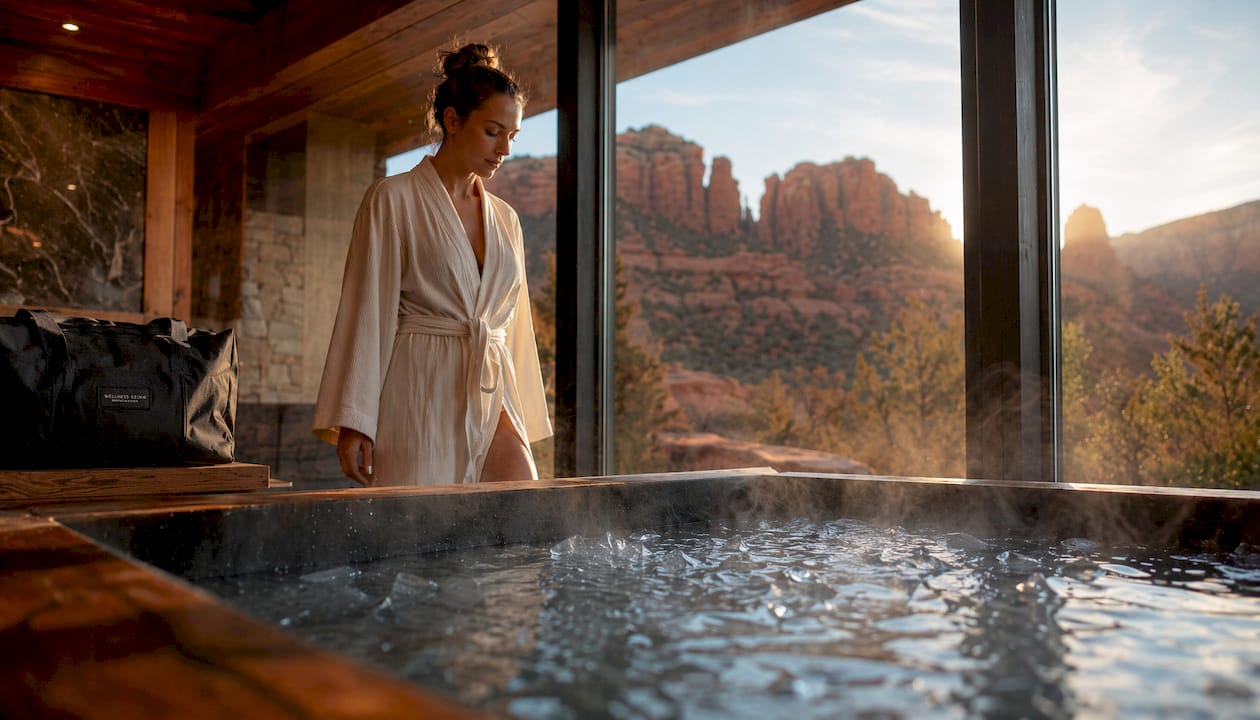
Leg elevation works because it uses gravity to assist venous return. Elevating your feet slightly above your hips reduces the workload on your veins and helps blood move back toward your heart more easily. This is especially useful after long periods of standing or sitting. For people with varicose veins or chronic venous insufficiency, leg elevation is a first-line recommendation from vascular specialists at Rao Dermatology.
Compression socks work on a similar principle. They apply graduated pressure from the ankle upward, which prevents blood from pooling in the lower legs. The key word is “graduated.” Socks that apply even pressure throughout, or socks that are too tight, can actually restrict flow and cause skin irritation. Compression garments must be properly sized and ideally recommended by a medical professional. Buying the wrong size at a pharmacy and wearing them daily is a common mistake that worsens the problem.
In Las Vegas, where summer heat causes blood vessels to dilate and legs to swell, these techniques carry extra weight. Heat-driven vasodilation can cause blood to pool in the legs faster than in cooler climates. Elevating your legs for 15–20 minutes after a long day outdoors gives your venous system a meaningful reset.
Stress is a direct threat to your circulation. Elevated stress raises blood pressure and causes blood vessels to constrict, reducing flow to muscles and organs. UPMC experts confirm that managing stress through deep breathing eases vascular tension and lowers blood pressure measurably. Most people treat stress as a mental health issue. It is also a cardiovascular one.
Deep breathing activates your parasympathetic nervous system, which signals your blood vessels to relax. Box breathing (inhale for 4 counts, hold for 4, exhale for 4, hold for 4) is a practical technique you can use at your desk, in your car, or before bed. Pair it with a short walk and you get dual benefits: physical movement and nervous system reset. For more structured approaches, stress reduction techniques backed by clinical evidence can make a measurable difference in vascular function.
Smoking is the single most damaging habit for your circulation. Smoking damages vessel walls and restricts blood flow by causing vessels to narrow and stiffen. Henry Ford Health identifies smoking cessation as one of the most impactful steps for improving vascular health. No supplement or therapy fully compensates for the damage active smoking causes.
Sleep quality also shapes circulation. Poor sleep raises cortisol, which keeps blood vessels in a state of mild constriction overnight. Seven to nine hours of quality sleep allows your vascular system to repair and regulate. Wearing loose, comfortable clothing to bed matters too. Tight clothing restricts blood flow and can worsen blood pooling in your limbs, even while you rest.
Pro Tip: Combine a 10-minute evening walk with 5 minutes of box breathing before bed. You lower cortisol, improve venous return, and set your vascular system up for overnight recovery.
Prolonged sitting causes blood to pool in your legs. Your calf muscles act as a secondary pump for venous return, and they only activate when you move. When you sit still for hours, that pump goes offline and circulation in your lower limbs slows significantly. Frequent micro-movements throughout the day are more effective for long-term vascular health than occasional intense workouts, especially for people with desk jobs or long commutes.
The good news is that the movements required are simple. You do not need a gym. Ankle pumps, calf raises, and seated leg lifts all activate the calf muscle pump. Slow, gentle stretching and aerobic movements support circulation without putting strain on joints. For travelers on long flights, these movements are not optional. Deep vein thrombosis risk rises sharply after four or more hours of immobility.
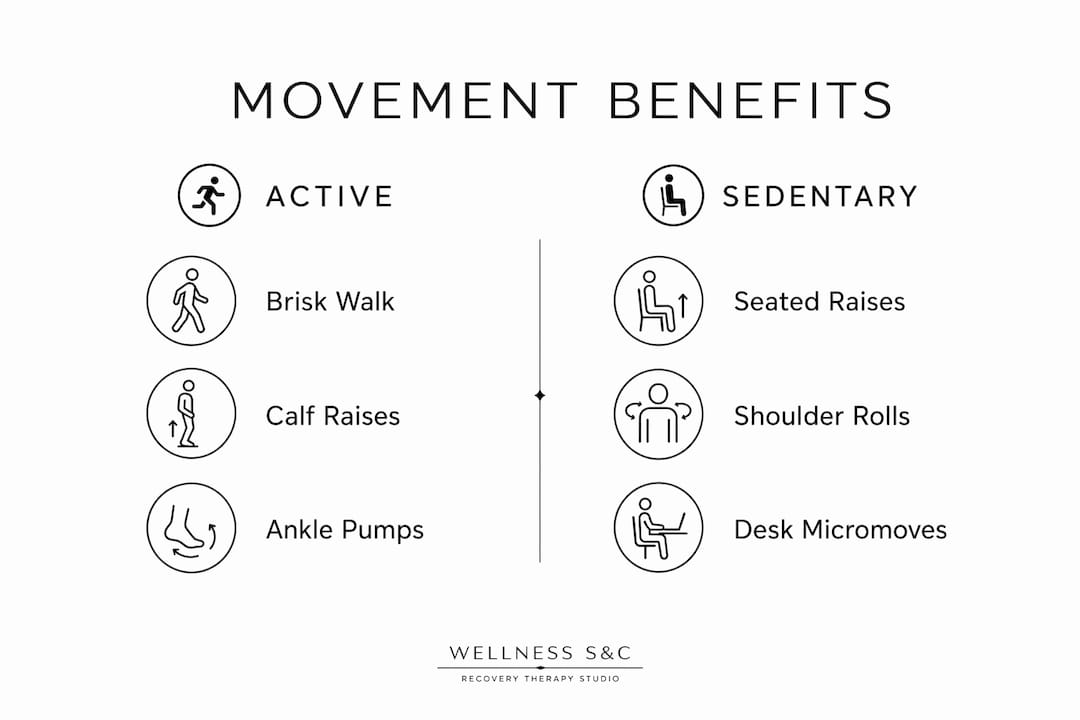
The table below compares common movement types by their circulation benefit and practical setting.
| Movement type | Circulation benefit | Best setting |
|---|---|---|
| Brisk walking (30 min) | Full-body blood flow, heart rate elevation | Outdoors, treadmill |
| Calf raises (20 reps) | Activates calf pump, reduces leg pooling | Desk, kitchen, standing line |
| Ankle pumps (10–15 reps) | Venous return in lower legs | Seated at desk, airplane seat |
| Seated leg lifts (10 reps) | Engages thigh muscles, improves pelvic flow | Office chair, car seat |
| Yoga or stretching (15 min) | Vessel flexibility, parasympathetic activation | Home, gym, hotel room |
The goal is movement frequency, not movement intensity. A 2-minute calf raise session every 45 minutes does more for your circulation than one 30-minute run followed by six hours of sitting. Build the habit of treating stillness as something to interrupt regularly. For a deeper look at circulation improvement techniques tailored to recovery and performance, Wellnesslasvegas has published detailed guidance for Las Vegas athletes and active professionals.
Consistent daily movement, proper hydration, stress management, and smart recovery habits are the most effective tools for improving blood circulation naturally.
| Point | Details |
|---|---|
| Exercise consistently | Aim for 150 minutes of moderate activity weekly to keep vessels flexible and blood moving. |
| Stay hydrated | Drink 6–8 glasses of water daily to maintain blood volume and prevent sluggish flow. |
| Manage stress actively | Deep breathing and short walks lower blood pressure and ease vascular constriction. |
| Break up sitting time | Move every 30–60 minutes using calf raises or ankle pumps to prevent blood pooling. |
| Use gravity and compression wisely | Elevate legs after long periods of sitting and use properly sized compression socks when advised. |
Working in wellness in Las Vegas gives you a front-row seat to how climate and lifestyle collide. The heat here is not just uncomfortable. It actively stresses your vascular system. I’ve seen clients arrive convinced they need a complex protocol, when the real issue is that they are dehydrated, sedentary for 10 hours a day, and sleeping in a room that’s too warm.
The most common mistake I see is treating circulation as a problem to fix rather than a system to maintain. People reach for compression socks or supplements after symptoms appear. The clients who see lasting results are the ones who build small habits before problems start. A 20-minute walk in the morning, a glass of water before every meal, and five minutes of breathing before bed. That combination, done consistently, outperforms any single therapy.
Intensity is overrated. I’ve watched athletes with elite fitness levels struggle with cold feet and poor recovery because they train hard but sit still for the rest of the day. Frequency of movement matters more than peak effort. The vascular system responds to regular signals, not occasional heroics.
The other thing I’d push back on is the idea that stress management is soft. Vascular tension from chronic stress is real and measurable. The clients who add a structured relaxation practice to their routine see changes in energy and recovery that surprise them. Circulation is not just about your legs. It’s about your whole nervous system.
— Argjenta
If you want to go beyond daily habits and give your circulation a more direct boost, Wellnesslasvegas offers science-backed therapies designed specifically for vascular health and recovery.
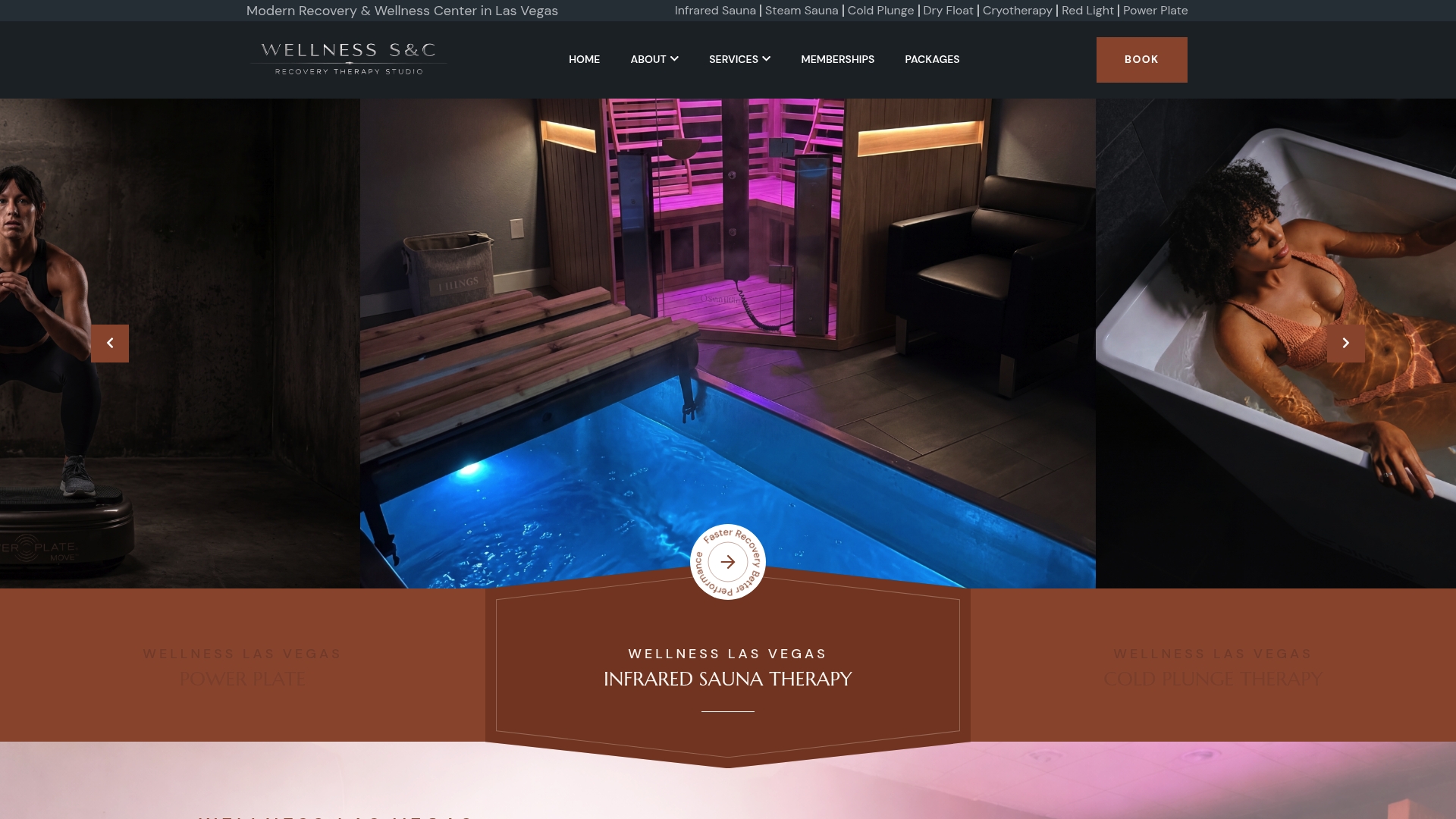
Infrared sauna therapy raises your core temperature in a way that causes blood vessels to dilate, increasing circulation throughout your body. It mimics the cardiovascular response of moderate exercise, making it especially useful on rest days. Contrast therapy, which alternates between heat and cold plunge, creates a pumping effect in your vascular system as vessels rapidly constrict and dilate. Red light therapy supports blood flow at the cellular level by stimulating mitochondrial activity in vessel walls. All three services are available at Wellnesslasvegas in private, clean rooms built for comfort and results. Book a session and experience what targeted circulation support feels like.
NHS guidelines recommend at least 150 minutes of moderate-intensity exercise per week. That breaks down to five 30-minute sessions of brisk walking, cycling, or swimming.
Yes. Adequate hydration maintains blood volume and prevents blood from thickening. Aim for 6–8 glasses of water daily to support efficient heart pumping and healthy circulation.
Elevating your feet slightly above your hips uses gravity to assist venous return, reducing the workload on your veins. It is especially effective after long periods of sitting or standing.
Calf raises and ankle pumps activate the calf muscle pump and move blood back toward the heart within minutes. Doing 15–20 repetitions every 45 minutes is more effective than a single long workout for leg circulation.
Stress raises blood pressure and causes blood vessels to constrict, directly reducing blood flow. Deep breathing exercises and short walks help ease vascular tension and restore normal circulation.

