- Infrared Sauna Las Vegas | Cold Plunge & Cryotherapy

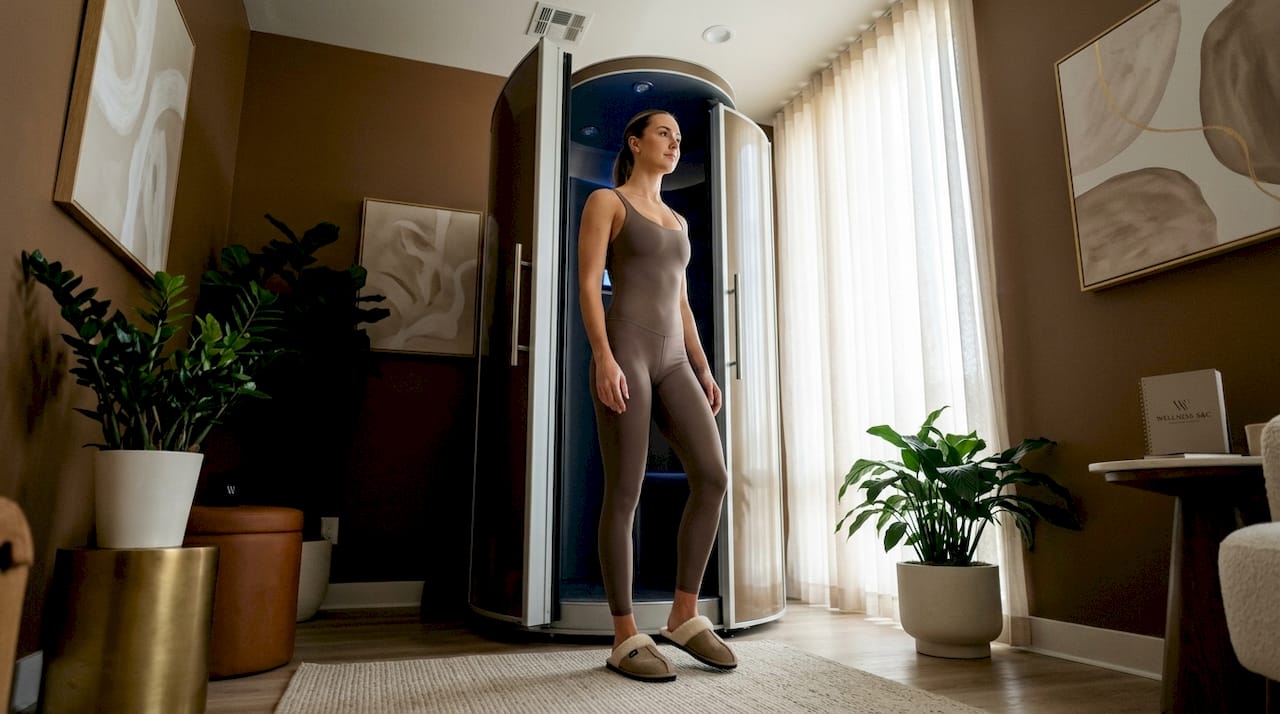
Cryotherapy is defined as the therapeutic use of extreme cold to reduce inflammation, relieve pain, and accelerate physical recovery. During a whole-body cryotherapy (WBC) session, your body enters a nitrogen-cooled chamber at temperatures reaching around -160°F for 2–3 minutes. That brief, intense cold exposure triggers a systemic physiological response that goes far beyond what a bag of ice can achieve. Whether you are an athlete training hard in Las Vegas or a professional managing chronic stress, understanding the full cryotherapy benefits picture helps you decide if this therapy belongs in your recovery plan.
Cryotherapy’s primary driver is systemic acute cold stress affecting skin perfusion, metabolism, and immune blood parameters. This is not just localized cooling. The entire body responds, which is why WBC produces effects that a cold pack on your knee simply cannot replicate.
When extreme cold hits your skin, your blood vessels constrict sharply. Once you step out of the chamber, those vessels dilate rapidly, pushing oxygen-rich blood through your muscles and tissues. This cycle of vasoconstriction and vasodilation is what makes cryotherapy so effective at clearing metabolic waste and reducing swelling after intense training.
The anti-inflammatory effects go deeper than circulation. WBC modulates cytokine activity, which are the signaling proteins that drive inflammation in conditions like rheumatoid arthritis and fibromyalgia. By dialing down pro-inflammatory cytokines, cryotherapy reduces both pain and disease activity in these conditions. Research also shows that WBC produces sustained improvements in exercise performance metrics like countermovement jump up to 72 hours post-exercise. That kind of recovery window matters when you train multiple days in a row.
Key physiological effects of a single WBC session include:
Pro Tip: Schedule your cryotherapy session within two hours after training to catch the peak inflammatory window. That timing aligns the cold stress response with your body’s natural recovery cycle.
Cryotherapy addresses pain through two distinct mechanisms: nerve numbing and systemic analgesic effects. The extreme cold temporarily slows nerve conduction, which reduces the intensity of pain signals reaching your brain. At the same time, the body releases endorphins and norepinephrine during and after the session, producing a natural analgesic effect that can last for hours.
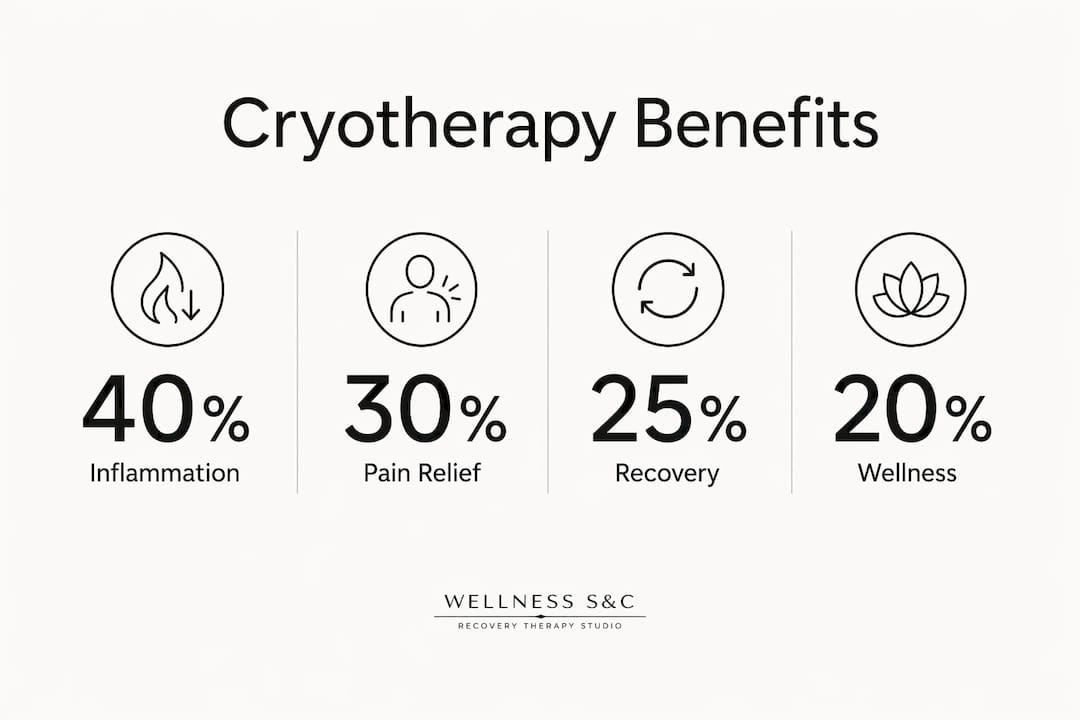
Clinical reports document benefits across a wide range of conditions, including fibromyalgia, rheumatoid arthritis, migraines, and general chronic pain. These are not minor quality-of-life improvements. People managing fibromyalgia, for example, often report meaningful reductions in pain intensity and fatigue after consistent WBC use. That kind of result is significant for anyone who has cycled through conventional pain management without lasting relief.
The benefits of cold therapy extend well beyond pain. Research supports the following wellness outcomes from regular cryotherapy use:
These benefits are why cryotherapy has moved well beyond elite sports recovery. Athletes, busy professionals, and people focused on long-term wellness in Las Vegas are all finding value in regular sessions.
Cryotherapy is safe for most healthy adults when performed correctly, but certain conditions make it genuinely risky. Individuals with hypertension, heart disease, Raynaud’s syndrome, or cold-triggered autoimmune disorders should avoid WBC or consult a physician before their first session. Extreme cold causes sharp vasoconstriction, which raises blood pressure temporarily. For someone with an underlying cardiovascular condition, that spike can be dangerous.
Beyond contraindications, preparation errors cause most adverse reactions. Moisture on the skin freezes instantly during a WBC session, increasing frostbite risk significantly. Lotions, sweat, and even damp clothing are all hazards. The good news is that these risks are entirely preventable with the right protocol.
Follow these cryotherapy safety tips before your first session:
Pro Tip: First-timers often underestimate how fast the cold hits. Take slow, steady breaths from the moment you enter the chamber. Controlled breathing keeps your nervous system calm and makes the 2–3 minutes feel much more manageable.
You can also review cryotherapy safety and comparisons at Wellnesslasvegas to understand what a professional screening looks like before you book.
A standard WBC session at a professional facility lasts 2–3 minutes. Standard sessions expose you to -90°C to -160°F in a dry, nitrogen-cooled chamber. The dry air is a key detail. Unlike cold water immersion, dry air conducts heat away from your body much more slowly, which is why WBC feels more tolerable than an ice bath at the same temperature. You feel intense cold, but not the suffocating shock of full-body submersion in water.
During the session, you will feel your skin tighten and a strong pins-and-needles sensation across your body. Your heart rate increases slightly as your body works to maintain core temperature. Most people find the experience manageable and even invigorating once they know what to expect.
Here is what a typical session looks like from start to finish:
Wellnesslasvegas offers professional cryotherapy in Las Vegas with private rooms, trained technicians, and a clean environment designed to make your first session as comfortable as possible.
Whole-body cryotherapy, cold water immersion, local cryotherapy, and cold plunge therapy all use cold as the therapeutic agent, but they differ significantly in mechanism, tolerability, and application.
WBC exposes your entire body to dry, nitrogen-cooled air. Cold water immersion (ice baths) submerges the body in water, which conducts heat away far more aggressively. That difference in heat conductivity makes WBC more tolerable for most people while still producing strong systemic effects. Local cryotherapy targets a specific joint or muscle group using a handheld device, making it ideal for isolated injuries rather than full-body recovery.
| Modality | Temperature range | Session length | Best for |
|---|---|---|---|
| Whole-body cryotherapy | -90°C to -160°F | 2–3 minutes | Systemic recovery, inflammation, mood |
| Cold plunge / ice bath | 50°F–59°F | 10–20 minutes | Muscle soreness, mental resilience |
| Local cryotherapy | Varies by device | 5–10 minutes | Targeted joint or injury treatment |
| Contrast therapy | Alternating hot/cold | 20–40 minutes | Circulation, full-body recovery |
Pairing cryotherapy with complementary modalities produces stronger results than any single therapy alone. Contrast therapy, which alternates between cold plunge and infrared sauna, amplifies the circulatory benefits of both. Red light therapy after a cryo session supports cellular repair at a deeper level. You can explore cold plunge recovery benefits as a standalone option or as part of a broader recovery protocol.
For athletes and wellness-focused individuals in Las Vegas, the most effective approach combines WBC or cold plunge with infrared sauna and red light therapy on a consistent schedule. The role of cryotherapy in sports recovery is well-documented, and the evidence consistently points toward regular, structured use rather than occasional sessions.
Cryotherapy delivers real, measurable benefits for inflammation, pain, and recovery when used consistently and with proper safety protocols.
| Point | Details |
|---|---|
| Core mechanism | Cold stress triggers systemic circulation and cytokine changes, not just localized cooling. |
| Recovery window | WBC improves performance metrics like jump height up to 72 hours after exercise. |
| Safety first | Dry skin, no lotions, and disclosing cardiovascular conditions are non-negotiable before any session. |
| Pain conditions | WBC reduces symptoms in fibromyalgia, arthritis, migraines, and chronic pain through nerve and cytokine effects. |
| Best results | Consistent sessions combined with infrared sauna or contrast therapy produce stronger outcomes than single treatments. |
People walk into their first cryotherapy session expecting a miracle and walk out confused when the miracle takes a few weeks to show up. That gap between expectation and reality is the biggest problem I see.
The science is clear that consistent use produces sustained benefits like reduced muscle soreness and improved functional outcomes. A single session gives you a preview. A regular schedule gives you results. The people who get the most out of cryotherapy treat it like training, not a one-time experiment.
There is also a real tension between cryotherapy and strength training adaptation. Frequent cold exposure may blunt muscle hypertrophy if applied too aggressively after resistance sessions. This does not mean you should avoid cryotherapy on training days. It means you should be thoughtful about timing and frequency, especially if muscle growth is your primary goal. For recovery, pain management, and general wellness, that concern is largely irrelevant.
My honest recommendation: start with two sessions per week, pay attention to how your body responds, and adjust from there. Work with a trained technician who can guide your protocol rather than guessing on your own. The non-invasive nature of cold therapy makes it accessible, but that accessibility can lead people to underestimate the importance of a structured approach.
— Argjenta
Wellnesslasvegas brings professional-grade cryotherapy to Las Vegas in a private, clean facility built for serious recovery. Every session is guided by trained technicians who screen clients, explain the process, and monitor your comfort throughout.
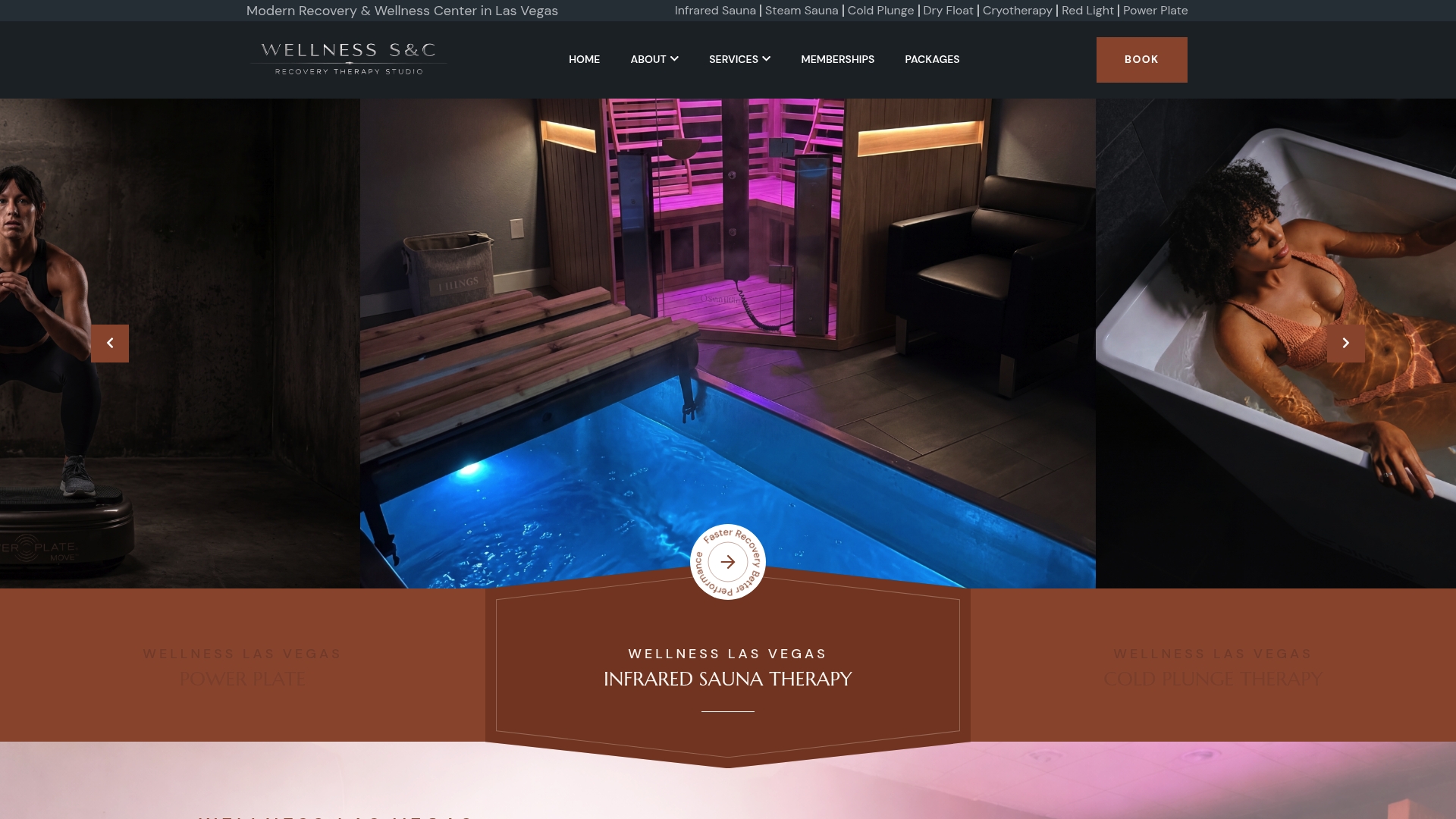
Beyond cryotherapy, Wellnesslasvegas offers infrared sauna therapy and contrast therapy to complement your cold sessions with heat-based recovery and circulation support. Red light therapy rounds out a full recovery protocol for athletes and wellness-focused clients who want results that compound over time. Book a consultation with the Wellnesslasvegas team to build a recovery plan that fits your goals and schedule.
Cryotherapy triggers a systemic cold stress response that reduces inflammation, modulates cytokine activity, and improves circulation through rapid vasoconstriction and vasodilation. These effects support pain relief, faster muscle recovery, and mood elevation.
Consistent use over multiple sessions produces sustained benefits like reduced soreness and improved functional outcomes. Most people notice meaningful changes after two to four weeks of regular sessions, typically two to three times per week.
Cryotherapy is not safe for individuals with hypertension, heart disease, Raynaud’s syndrome, or cold-triggered autoimmune conditions. Healthy adults with no cardiovascular concerns can use WBC safely when following proper preparation protocols.
WBC uses dry nitrogen-cooled air at around -160°F, which conducts heat away from the body more slowly than water. This makes WBC more tolerable than cold water immersion while still producing strong systemic recovery effects.
Yes. Research supports WBC for reducing pain and disease activity in fibromyalgia, rheumatoid arthritis, and migraine conditions through cytokine modulation and nerve-numbing analgesic effects.

