- Infrared Sauna Las Vegas | Cold Plunge & Cryotherapy

Advanced recovery methods are defined as structured, evidence-based protocols that accelerate healing, restore physical performance, and reduce stress by combining modern technology with proven therapeutic techniques. For athletes, busy professionals, and wellness seekers in Las Vegas, these methods go well beyond rest and ice packs. Recent research shows that approaches like EMG-guided motor retraining, immersive VR rehabilitation, and closed-loop AI systems now deliver results that traditional protocols simply cannot match. The science is clear, and the tools are more accessible than ever.
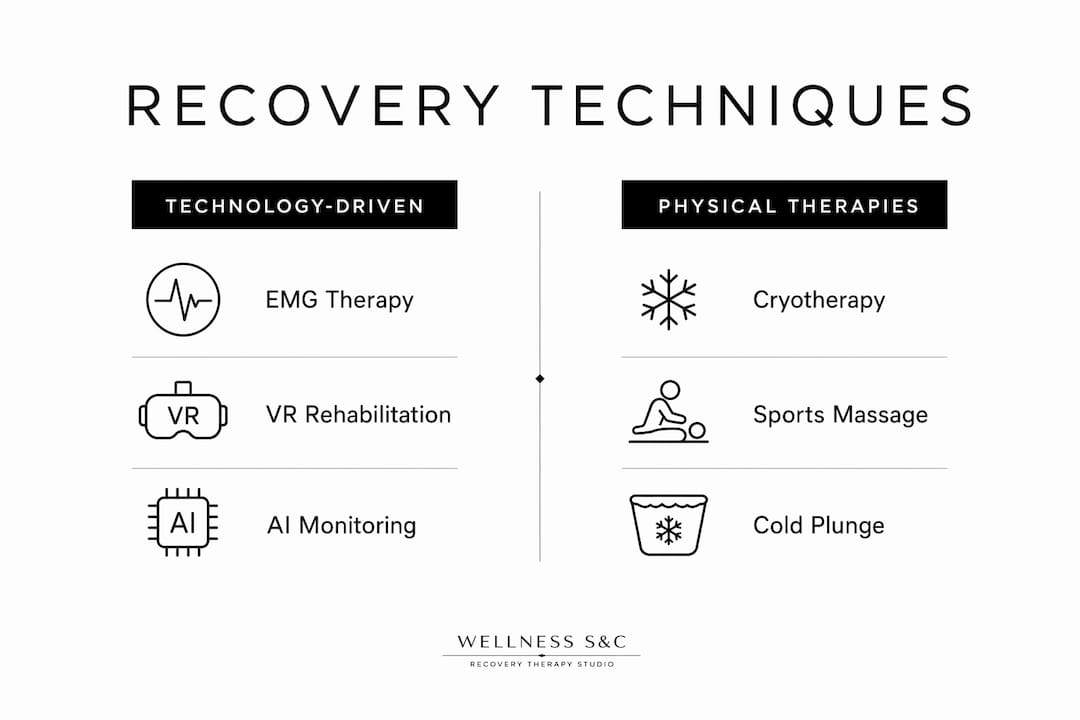
The most effective advanced recovery techniques fall into two broad categories: technology-driven neurological rehabilitation and evidence-based physical therapies. Both categories produce measurable results, and the strongest recovery programs combine them.
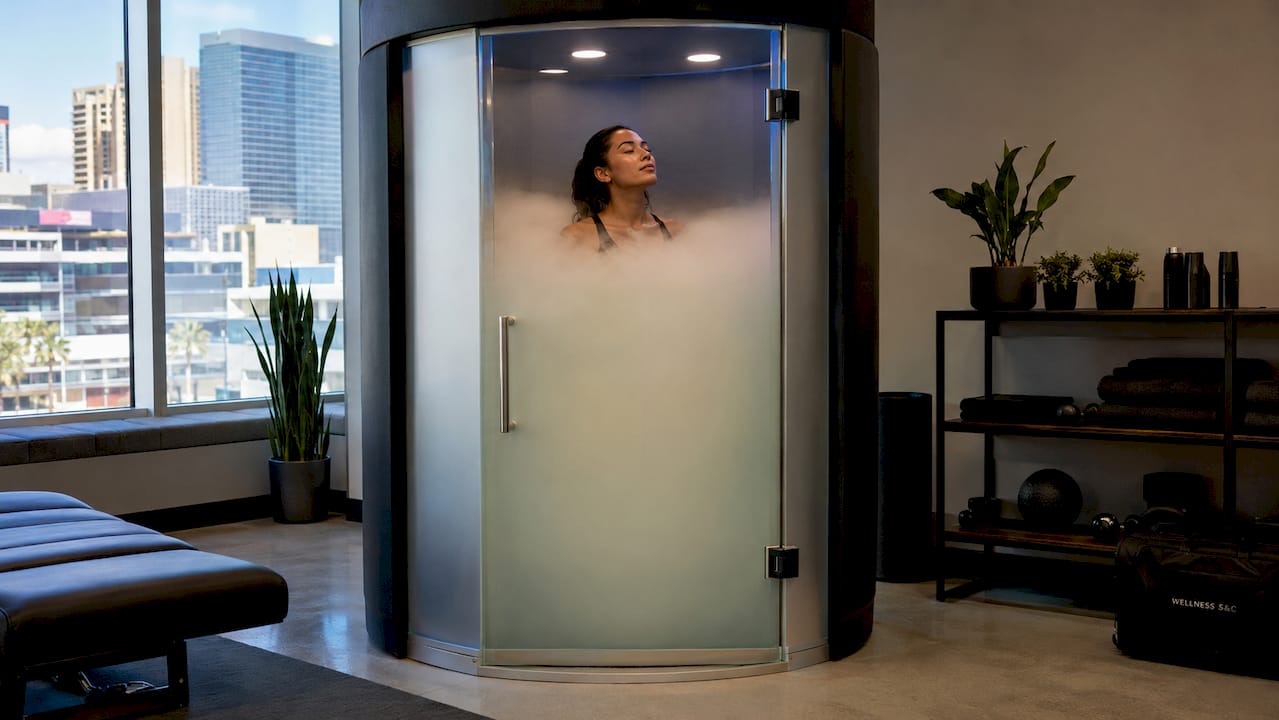
On the neurological side, the MINT system uses EMG video-game therapy to retrain isolated muscle control. EMG-guided motor retraining improves arm movement recovery 4.5 times more than standard therapy in chronic stroke survivors. That gap exists because the system targets the root problem: uncoordinated brain signals that cause muscle co-activation, stiffness, and fatigue.
The MultiSensy VR platform takes a different approach. It pairs immersive virtual environments with simultaneous tactile neurostimulation. A study with 34 stroke survivors showed clinically meaningful progress in motor, sensory, and body representation functions after multimodal VR interventions. The key mechanism is the body ownership illusion, where the brain accepts virtual limb feedback as real, which accelerates sensorimotor relearning.
On the physical therapy side, a June 2026 review confirmed that sports massage, cryotherapy, balneotherapy, and hydrotherapy remain foundational to athletic recovery protocols. These methods reduce inflammation, flush metabolic waste, and restore tissue elasticity. They work best when paired with nutrition and sleep, not as standalone fixes.
| Method | Primary Benefit | Best Use Case |
|---|---|---|
| MINT EMG therapy | Isolated muscle retraining | Post-stroke, nerve injury |
| MultiSensy VR | Sensorimotor relearning | Upper-limb rehabilitation |
| Cryotherapy | Inflammation reduction | Post-training, acute injury |
| Sports massage | Tissue repair, circulation | General athletic recovery |
| Hydrotherapy | Joint mobility, relaxation | Chronic pain, stress relief |
Pro Tip: If you are recovering from a musculoskeletal injury, pair cryotherapy within the first 48 hours with a structured massage protocol starting on day three. This sequence addresses acute inflammation first, then promotes tissue repair.
Personalization is the defining advantage of technology-driven rehabilitation. Static protocols treat every person the same. Closed-loop systems do not.
Closed-loop digital therapeutics powered by deep reinforcement learning use wearable sensor data to monitor your movement quality, fatigue levels, and recovery pace in real time. The AI agent then adjusts therapy intensity automatically. Simulations show this approach produces 15% faster safe return to activity and 40% fewer reinjury events compared to static protocols. Those numbers reflect a fundamental shift from guesswork to precision.
Immersive VR adds another layer. When tactile neurostimulation is synchronized with virtual movement, the brain receives multisensory feedback that standard exercise cannot replicate. This matters because effective neurorehabilitation requires multisensory integration, not just movement repetition, to drive neural plasticity. Repetition alone builds habit. Multisensory feedback builds new neural pathways.
Here is what a technology-driven recovery session typically includes:
Pro Tip: Ask your rehabilitation provider whether their platform uses closed-loop rehab systems that adapt in real time. A system that only tracks data without adjusting your program is not truly personalized.
Multimodal recovery is the practice of combining passive and active therapies to address multiple physiological systems at once. A single modality treats one problem. A well-designed multimodal plan treats fatigue, inflammation, nervous system stress, and tissue damage simultaneously.
Experts recommend combining passive and active methods for the best overall wellness and stress relief results. The physiological logic is straightforward. Cryotherapy reduces acute inflammation. Infrared sauna then increases circulation and promotes detoxification. Red light therapy at the cellular level supports mitochondrial function and tissue repair. Layering these in the right sequence produces results that no single therapy achieves alone.
For stress relief specifically, the nervous system benefits are significant. Cold exposure from cryotherapy or a cold plunge session triggers a controlled stress response that trains your body to regulate cortisol more efficiently. Infrared sauna follows by activating the parasympathetic nervous system, the rest-and-digest state that most people in high-stress environments rarely access. Together, these two modalities create a contrast effect that resets your stress baseline.
Light therapy devices for muscle healing add another dimension by penetrating tissue at the cellular level to reduce oxidative stress and speed repair. This makes red light therapy a strong complement to both cryotherapy and massage in a multimodal plan.
| Modality | Primary System Targeted | Recovery Phase |
|---|---|---|
| Cryotherapy | Inflammation, circulation | Acute (0–48 hours) |
| Infrared sauna | Detoxification, circulation | Sub-acute (48–72 hours) |
| Red light therapy | Cellular repair, oxidative stress | Ongoing |
| Dry float therapy | Nervous system, muscle tension | Stress relief, any phase |
| Sports massage | Tissue repair, lymphatic flow | Sub-acute to maintenance |
Wellnesslasvegas offers all of these modalities under one roof in Las Vegas, which makes sequencing them practical rather than theoretical. Scheduling cryotherapy and infrared sauna on the same visit, for example, takes under 90 minutes and covers both the acute and sub-acute recovery phases in a single session.
The biggest mistake people make with advanced recovery is treating it like a single intervention rather than a system. Recovery works when the methods are sequenced correctly, dosed appropriately, and matched to your current physiological state.
Follow these best practices to get the most from your recovery program:
For Las Vegas residents, Wellnesslasvegas provides professional guidance on performance recovery therapies and can help you build a sequenced plan based on your goals, whether that is athletic performance, injury recovery, or stress management.
The most effective recovery programs combine technology-driven personalization with evidence-based physical therapies, sequenced deliberately to address inflammation, tissue repair, and nervous system recovery in the correct order.
| Point | Details |
|---|---|
| Technology drives personalization | Closed-loop AI systems reduce reinjury risk by adapting therapy intensity in real time. |
| Multimodal sequencing matters | Combining cryotherapy, infrared sauna, and red light therapy in sequence addresses multiple recovery systems. |
| EMG retraining targets root causes | EMG-guided therapy corrects muscle co-activation, the underlying cause of stiffness and fatigue. |
| Passive recovery is non-negotiable | Massage, float therapy, and balneotherapy address tissue and nervous system recovery that active methods miss. |
| Professional guidance improves outcomes | VR and AI rehab tools require calibration to your movement profile to deliver their full benefit. |
I have spent years watching people train hard and recover poorly. The pattern is always the same: they treat recovery as a reward for effort rather than a requirement for progress. That mindset is the single biggest limiter I see.
The research on AI-driven rehab strategies confirms what I have observed in practice. Static recovery programs, the same ice pack and rest day every week, do not account for how your body actually changes from session to session. Your nervous system is not the same on Thursday as it was on Monday. Your recovery program should not be either.
What I find genuinely exciting about the current moment is that the tools to personalize recovery are no longer exclusive to professional sports teams or research hospitals. Infrared sauna, red light therapy, cryotherapy, and dry float therapy are available in Las Vegas right now. The gap between elite athletic recovery and what you can access locally has never been smaller.
My honest advice: stop adding training volume and start auditing your recovery quality. Most people who feel stuck in their performance or healing are not undertrained. They are underrecovered. The techniques that work after injury are the same ones that prevent the next one. Build the habit before you need it.
— Argjenta
Wellnesslasvegas brings together the most effective recovery modalities in one professional facility in Las Vegas. Whether you are managing a sports injury, recovering from a demanding week, or building a long-term performance plan, the services here are designed to meet you where you are.
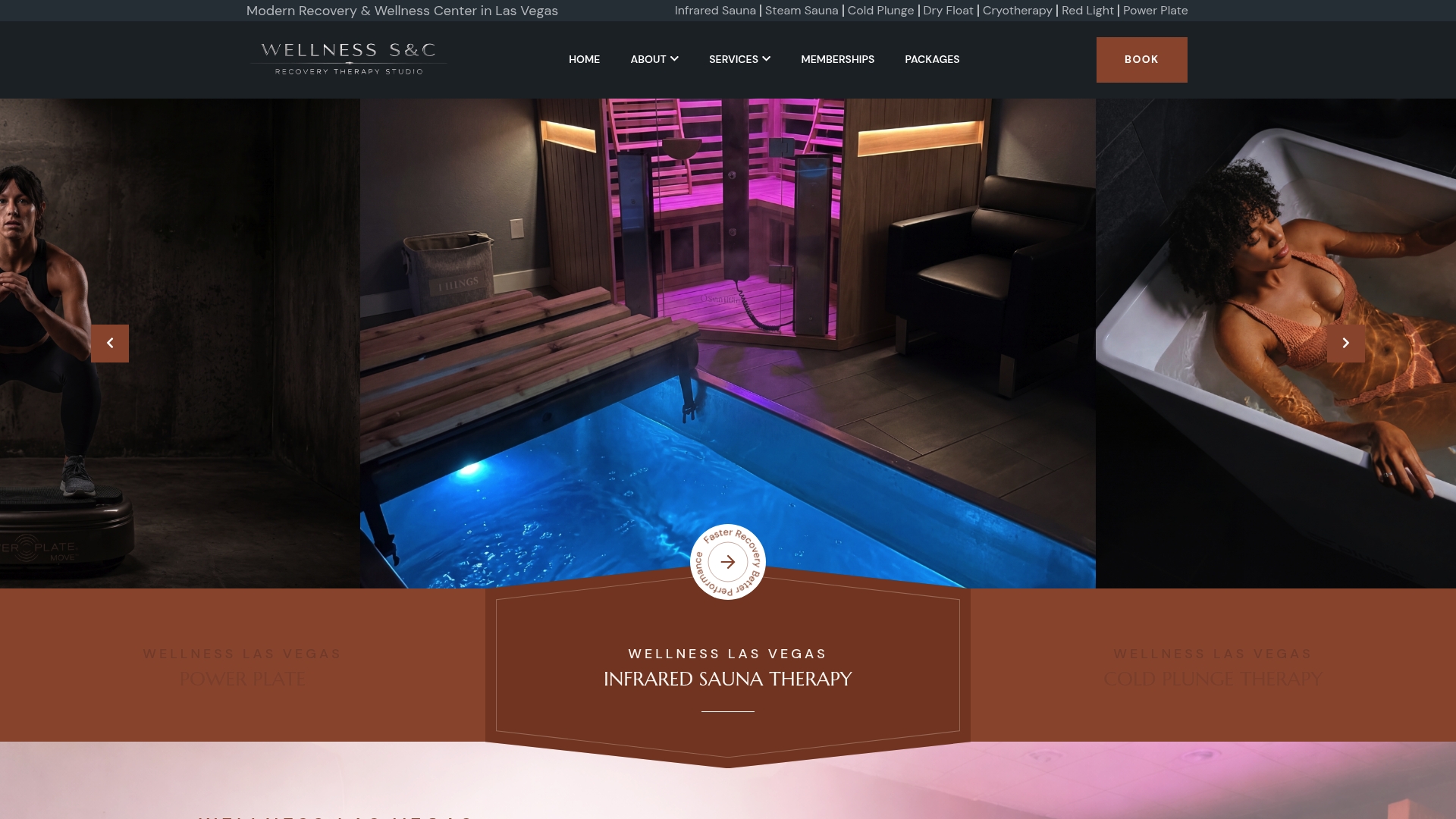
The facility offers infrared sauna for athletes, cryotherapy in Las Vegas, red light therapy, cold plunge, dry float therapy, and Power Plate training. Each service is available individually or as part of a sequenced recovery plan. Private rooms, premium equipment, and a clean environment make it easy to stay consistent. If you want to experience what a well-designed multimodal recovery session actually feels like, Wellnesslasvegas is the place to start.
Advanced recovery methods are evidence-based protocols that combine modern technologies like VR rehabilitation, EMG retraining, and AI-driven closed-loop systems with traditional therapies like cryotherapy, massage, and infrared sauna to accelerate healing and restore performance.
Cryotherapy reduces acute inflammation and triggers a controlled stress response that trains the body to regulate cortisol more efficiently. It works best in the first 48 hours after intense training or injury.
Yes. Sequencing cryotherapy before infrared sauna follows the correct physiological order: reduce inflammation first, then promote circulation and detoxification. This combination addresses both acute and sub-acute recovery phases in a single visit.
A closed-loop rehabilitation system uses wearable sensors and AI to monitor your movement and fatigue in real time, then automatically adjusts therapy intensity. Research shows this approach produces 15% faster safe return to activity and 40% fewer reinjury events compared to static protocols.
Start with a baseline assessment of your sleep, soreness, and movement quality. Then match modalities to your current recovery phase. Consulting a professional at a facility like Wellnesslasvegas in Las Vegas ensures your plan is sequenced correctly for your specific goals.

