- Infrared Sauna Las Vegas | Cold Plunge & Cryotherapy

Yes, a sauna session after long travel genuinely helps. A properly timed session resets your autonomic nervous system, improves circulation, eases muscle stiffness, and can accelerate sleep onset that same night. Here’s what to do:
A 2024 review on sauna and travel stress biomarkers confirmed that regular sauna use lowers stress markers and shifts the body toward a restorative parasympathetic state. Pair that with the 4-7-8 breathing technique during your session and you have a protocol that works on both the physical and neurological side of travel fatigue. Wellnesslasvegas in Las Vegas offers exactly this kind of clinic-backed, private recovery environment for travelers landing in the city.
Long-haul travel puts your body into a sustained stress state. Cabin pressure, recycled air, immobility, and disrupted light cycles push your autonomic nervous system (ANS) into sympathetic overdrive, the “fight-or-flight” mode that keeps cortisol elevated and makes sleep feel impossible even when you’re exhausted.
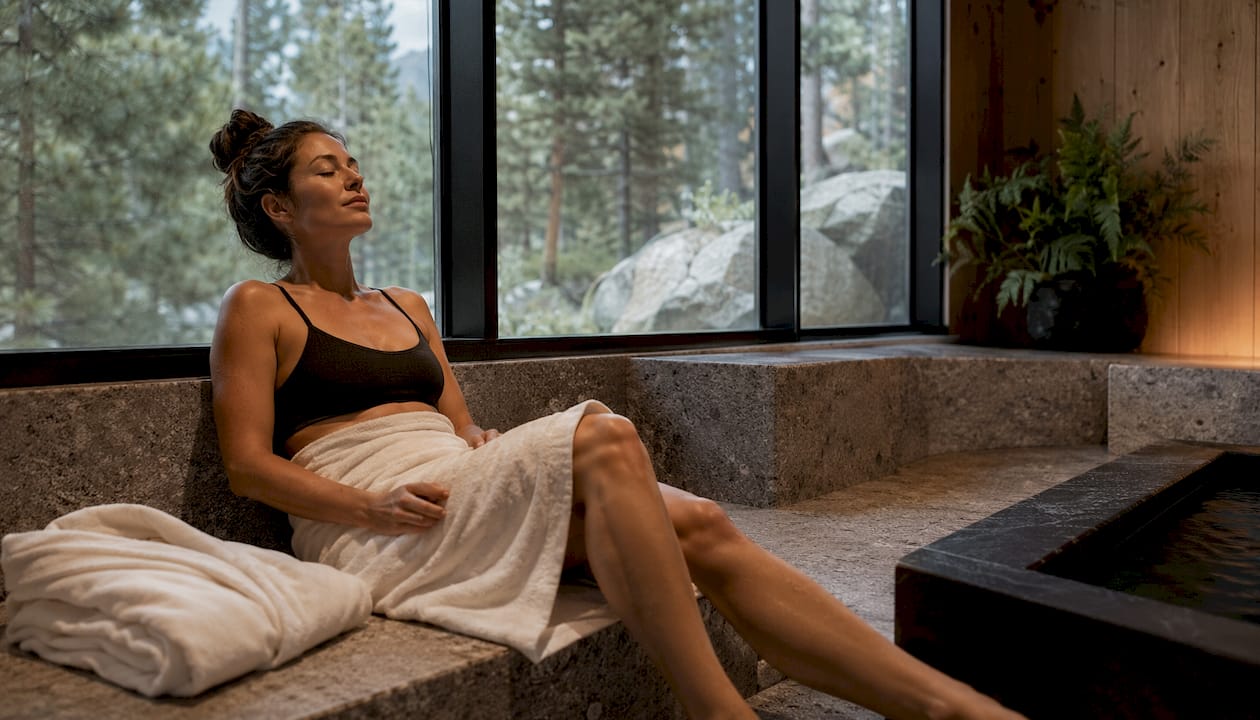
Sauna heat reverses that pattern. The warmth triggers vasodilation, widening blood vessels and pushing circulation to the periphery. That improved peripheral blood flow clears the metabolic waste that builds up in muscles during hours of sitting, which is why your legs feel lighter after a session. The 2024 review in Temperature found that regular sauna use measurably lowers travel stress biomarkers and improves ANS balance, supporting a shift toward parasympathetic (“rest-and-digest”) dominance.
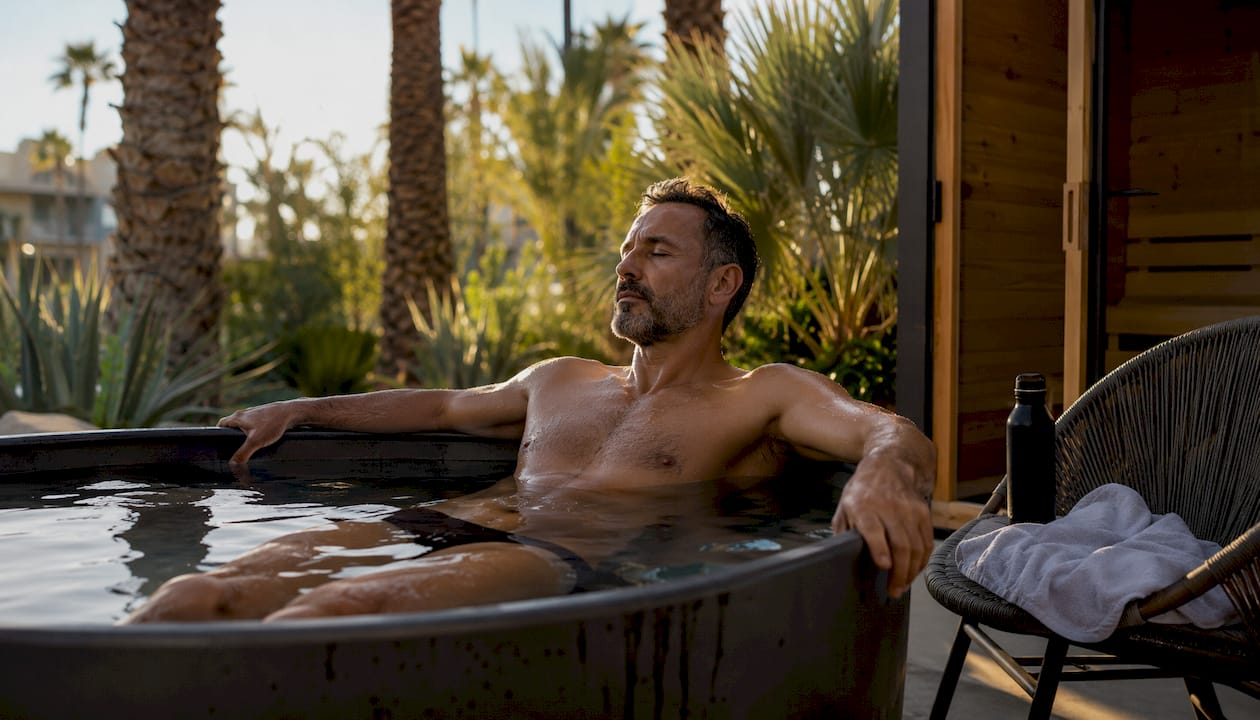
Heat also activates heat shock proteins (HSPs) that support cellular repair and reduce inflammatory markers elevated by travel stress. Then comes the sleep mechanism: when you exit the sauna, your core temperature drops rapidly. That drop mimics the natural pre-sleep cooling the brain uses to trigger sleep onset, which is why timing the session 1–2 hours before bed works so well.
| Physiological effect | What it means for travelers |
|---|---|
| ANS shift to parasympathetic | Lowers cortisol, reduces anxiety, prepares body for sleep |
| Vasodilation + circulation | Reduces ankle swelling, clears muscle waste from sitting |
| Heat shock protein activation | Supports cellular repair after travel-related inflammation |
| Post-session core temp drop | Triggers sleep-initiation pathways when timed before bedtime |
1. Jet-lag sleep reset. A session timed 1–2 hours before your target bedtime uses the cooldown effect to help your brain shift time zones faster. Pilots report using infrared sauna specifically to normalize melatonin cycles after long-haul flights.
2. Reduced muscle stiffness. Hours in a cramped seat tighten the hip flexors, lower back, and calves. Sauna heat loosens those tissues in ways that passive stretching alone can’t match.
3. Less ankle and leg swelling. Vasodilation moves pooled fluid out of the lower limbs. Most travelers notice visible reduction in swelling within a short time after finishing a session.
4. Improved sleep quality. A commonly cited 2019 survey found that many regular sauna users reported better sleep quality for one to two nights following a session. That’s a meaningful signal for anyone facing their first night in a new time zone.
5. Lower cortisol and mental calm. The heat itself reduces cortisol, and adding the 4-7-8 breathing technique (inhale 4 counts, hold 7, exhale 8) during the session accelerates that effect. Breathwork in the sauna reduces cortisol quickly and is practical to use without any equipment.
6. Clearer thinking. Mental fog after long travel comes partly from poor circulation and elevated stress hormones. As both normalize during a sauna session, cognitive clarity tends to follow.
7. Skin recovery. Recycled cabin air dehydrates the skin. Sauna-induced sweating opens pores and increases circulation, helping the skin flush waste and rehydrate from within, provided you drink enough water before and after.
8. Immune support. Mild heat stress prompts the body to produce more white blood cells and heat shock proteins. Airports and planes are high-exposure environments, so a post-flight session gives your immune system a useful nudge.
9. Mood lift. Heat triggers endorphin and serotonin release. After a long, stressful travel day, that neurochemical shift is noticeable within the first 10 minutes of a session.
10. Myth-buster: sweating does NOT burn meaningful fat. You lose water weight in the sauna, not body fat. Rehydrate fully after every session. The recovery benefits above are real; fat-loss claims are not.
The most underused sauna technique for travelers: treat your session as an active sensory meditation window, not passive sitting. Close your eyes, focus on your breath, and use the 4-7-8 pattern. The heat does the physiological work; your attention does the neurological work. Together, they produce a recovery effect neither achieves alone.
Pro Tip: Bring a 20-oz electrolyte drink into the waiting area and sip it before and after your session. Coconut water with a pinch of sea salt works well if you don’t have a formulated drink on hand.
The short answer: both work, but they suit different travelers.
Infrared saunas operate at 120–140°F and heat tissue directly rather than warming the surrounding air. That deeper tissue penetration at a lower cabin temperature makes them more comfortable when you’re already fatigued and mildly dehydrated. Frequent international travelers and pilots specifically favor infrared for sleep-targeted recovery because the lower ambient heat is easier to tolerate after a red-eye.
Traditional dry or steam saunas run at 160–180°F and deliver a stronger circulatory and heat-shock response in a shorter time. If you’re well-hydrated, not acutely exhausted, and want a faster, more intense session, traditional is a solid choice.
Key differences at a glance:
Pro Tip: If you just landed from a long-haul flight and you’re not sure how hydrated you are, choose infrared. The lower temperature gives you the circulatory and ANS benefits with less cardiovascular strain. Switch to traditional once you’ve had a full night’s sleep and a proper meal.
Follow this sequence to get the most out of your session and stay safe.
Safety: Stop immediately and seek help if you experience chest pain, severe dizziness, confusion, or fainting. Sit near the door during your first session so you can exit easily.
Sauna therapy is safe for most healthy adults, but certain conditions require medical clearance or modification.
Avoid sauna use without medical clearance if you have:
Modify your session if you are:
Red flags — stop and seek medical care immediately:
A practical rule from clinicians: if you wouldn’t feel comfortable doing 15 minutes of light exercise right now, you’re probably not ready for a sauna session yet. Rest, rehydrate, and try again the following evening.
Pro Tip: For your first post-travel session at any facility, sit near the door, keep the temperature at the lower end of the recommended range, and bring a companion or let staff know you’re there. A quality sauna facility will have staff available and private rooms that make it easy to exit safely.
The evidence base for post-travel sauna use has grown meaningfully. A 2024 review confirmed that regular sauna use lowers travel stress biomarkers and improves ANS balance, supporting the shift from sympathetic to parasympathetic dominance that travelers need most. That finding aligns with what practitioners have observed in clinical settings for years.
On sleep specifically, a commonly cited 2019 survey reported that 83.5% of regular sauna users experienced improved sleep quality for one to two nights after a session. That figure comes from practitioner summaries of the survey data, not a randomized controlled trial, so treat it as directional evidence rather than a clinical guarantee. Still, the consistency of self-reported sleep improvement across multiple practitioner sources is notable.
Timing guidance from practitioners like those at Oakman’s Q&A resource reinforces the 1–2 hours before bedtime window as the most effective for sleep-phase signaling. The post-session core temperature drop is the mechanism; the timing is what makes it work.
Clinic observation from Wellnesslasvegas: travelers arriving in Las Vegas commonly report two things after their first post-flight session: faster sleep onset that night and noticeably reduced limb swelling. The combination of infrared sauna with red light therapy addresses both circulation and inflammation simultaneously, which is why the clinic recommends pairing them for travelers with tight recovery windows.
Pro Tip: For a sauna and preventive care approach that goes beyond single sessions, ask about multi-modal protocols that combine infrared heat, red light, and rehydration. Clinics that integrate all three report faster traveler recovery than sauna-only routines.
A properly timed sauna session after long travel, paired with electrolyte rehydration and 4-7-8 breathing, is one of the most effective natural tools for resetting your nervous system, easing stiffness, and improving sleep that same night.
| Point | Details |
|---|---|
| Timing is everything | Schedule your session 1–2 hours before your target bedtime to trigger sleep-phase signaling. |
| Hydrate before and after | Wait 2–3 hours post-landing if dehydrated; drink electrolytes before and after every session. |
| Session length | Keep sessions to 15–20 minutes per round, 1–2 rounds maximum when acutely fatigued. |
| Infrared vs. traditional | Choose infrared (120–140°F) when tired or mildly dehydrated; traditional (160–180°F) when well-hydrated and seeking a stronger response. |
| Wellnesslasvegas | Offers infrared sauna, contrast therapy, and red light therapy in Las Vegas, with private rooms suited for post-flight recovery sessions. |
Travelers who come through our doors after long flights tend to show up with the same combination: swollen legs, tight lower backs, and the glazed look of someone who hasn’t slept properly in 24 hours. The routine we recommend most often is an early-evening infrared session at 120–130°F for 15–20 minutes, followed by a brief cool-down and a short walk before bed.
What we’ve found is that pairing infrared sauna with red light therapy addresses both the circulatory and inflammatory sides of travel fatigue in a single visit. For travelers who want a stronger reset, our contrast therapy protocol alternates sauna heat with cold plunge, which produces a more pronounced ANS shift and tends to leave clients feeling alert and calm at the same time.
One practical pointer from our staff: bring your own electrolyte drink and schedule your session for early evening, not right before bed. Give yourself that 1–2 hour buffer so the cooldown does its job.
Landing in Las Vegas after a long flight and needing to feel human again quickly? Wellnesslasvegas offers private recovery sessions designed specifically for that window between landing and your first real night’s sleep.
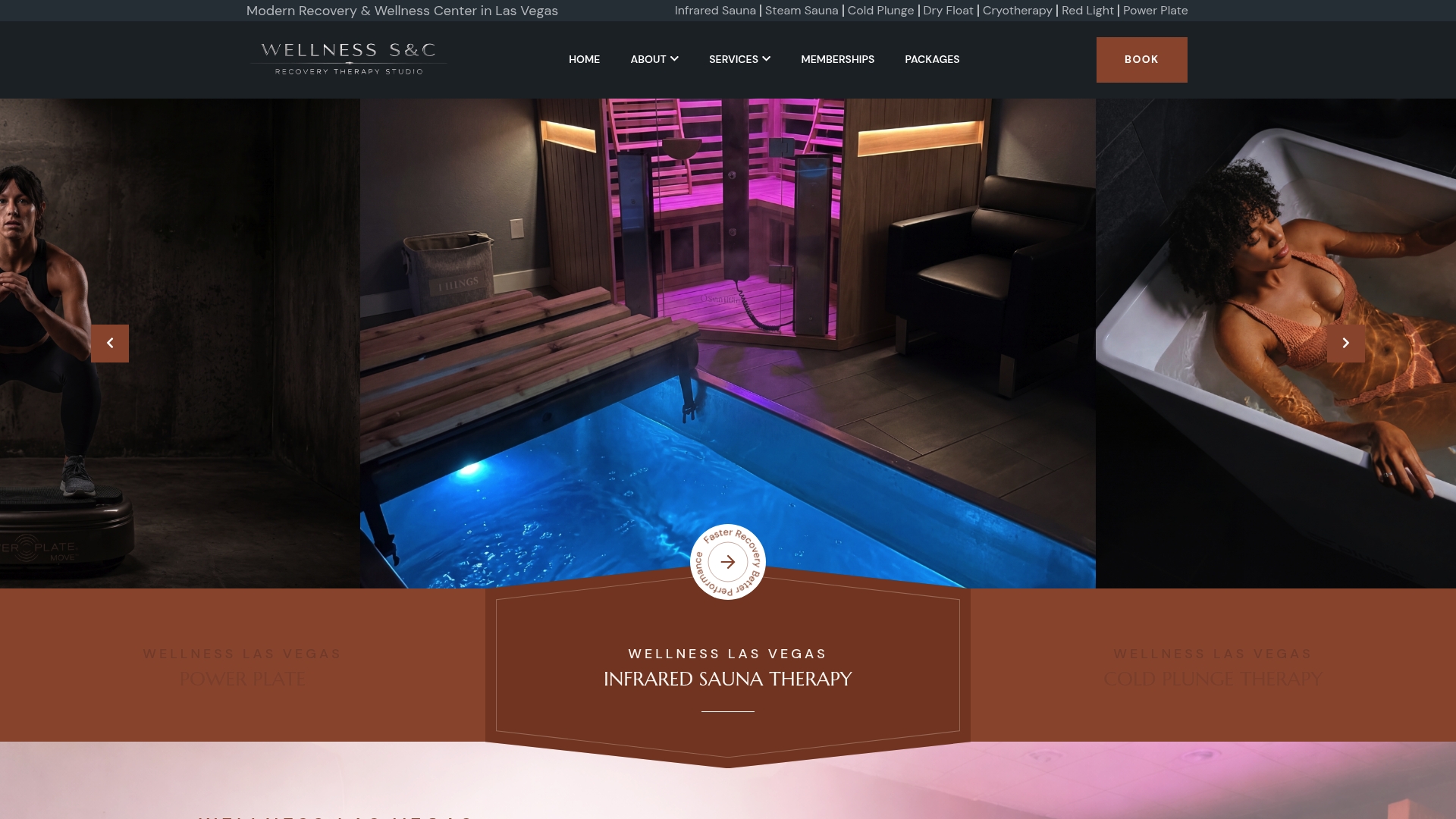
Services available for post-travel recovery include:
The facility at Wellnesslasvegas features private rooms, professional monitoring, and integrated protocols, so you’re not figuring out timing and temperature on your own. Sessions can be booked individually or as part of a recovery package. View current services and book your post-flight recovery session at Wellnesslasvegas.
Clinical research:
Practitioner and clinic resources:
Local service pages (Las Vegas):
A note on evidence levels: the clinical research above is peer-reviewed. Practitioner summaries and survey data (including the 83.5% sleep-improvement figure) are observational and self-reported. Both are useful; neither replaces advice from your own physician, especially if you have cardiovascular or other medical conditions.
This article is general wellness information, not medical advice. Consult a qualified clinician before using sauna therapy if you have a cardiovascular condition, are pregnant, or take medications that affect blood pressure or fluid balance.
Yes. A sauna session after a long flight helps reset your autonomic nervous system, reduce muscle stiffness, ease leg swelling, and improve sleep onset, provided you rehydrate first and wait 2–3 hours if you feel dehydrated.
Keep sessions to 15–20 minutes per round, with a maximum of 1–2 rounds when you’re acutely fatigued. Longer or hotter sessions increase cardiovascular strain after travel.
Most travelers notice reduced stiffness and improved calm within a single session. Sleep benefits typically appear that same night when the session is timed 1–2 hours before bedtime.
No. Sweating in a sauna causes temporary water-weight loss, not fat loss. The real post-travel benefits are circulatory, neurological, and sleep-related. Rehydrate fully after every session.
Infrared (120–140°F) is generally better for tired, mildly dehydrated travelers because the lower ambient temperature is easier to tolerate. Traditional saunas (160–180°F) deliver a stronger heat-shock response and suit well-hydrated travelers who want a faster, more intense session.

