- Infrared Sauna Las Vegas | Cold Plunge & Cryotherapy

Yes, you can safely combine sauna and cold therapy — and when you follow a structured contrast protocol, the results go well beyond what either modality delivers alone. The vascular pump effect created by alternating heat and cold drives metabolite clearance, sharpens mental alertness, and supports recovery in ways that single-modality sessions simply cannot replicate.
Quick protocol (TL;DR):
Evidence grade: sauna alone and cold alone each carry solid longitudinal and mechanistic data. Direct randomized controlled trials isolating the combined contrast protocol are limited, but mechanistic evidence and practitioner data consistently support its use for healthy adults.
Safety note: If you have cardiovascular disease, uncontrolled hypertension, or are pregnant, consult a clinician before starting any contrast therapy routine.
Contrast therapy is the structured practice of cycling between heat exposure (sauna) and cold immersion (cold plunge, ice bath, or cold shower) in a deliberate sequence. The order matters. Heat comes first in most protocols because it dilates blood vessels, raises core temperature, and primes the body for the sharp physiological reversal that cold delivers.
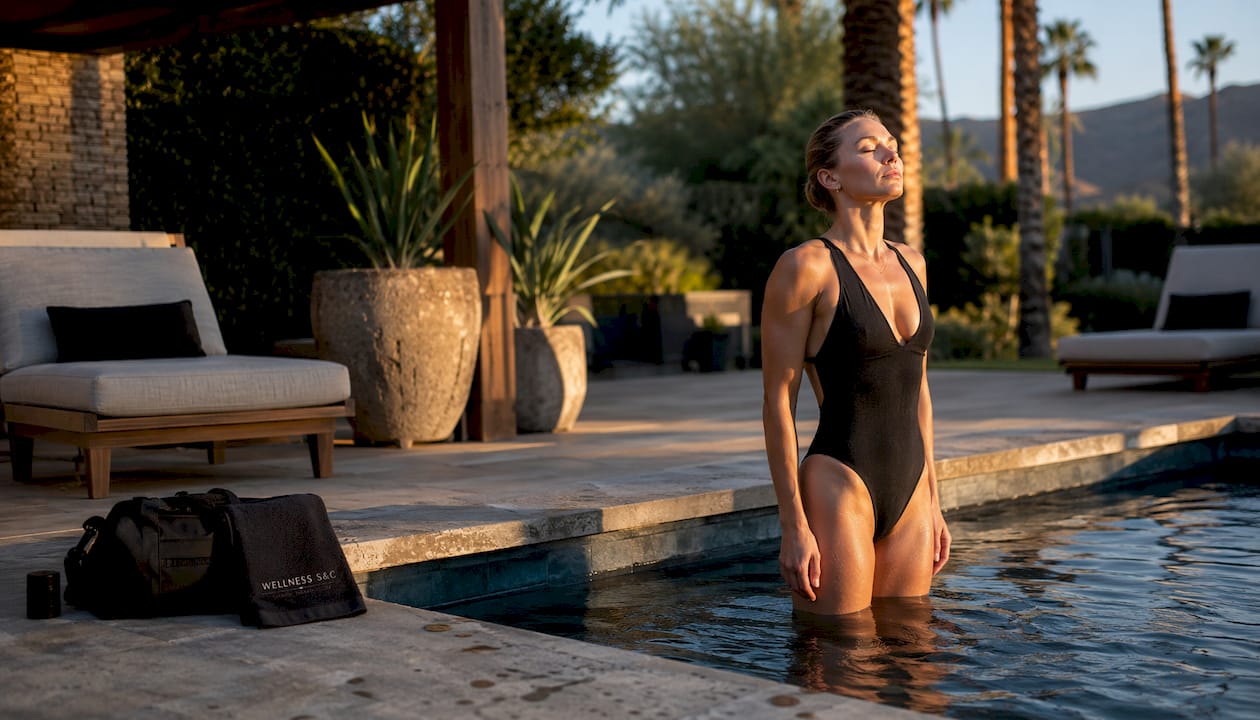
Here is what happens at the cellular level during each phase:
Heat phase: Blood vessels dilate (vasodilation), cardiac output rises, and the body begins producing heat shock proteins (HSPs) that repair damaged proteins and support cellular resilience. Core temperature climbs, and the nervous system shifts toward a parasympathetic-leaning state during longer sessions.
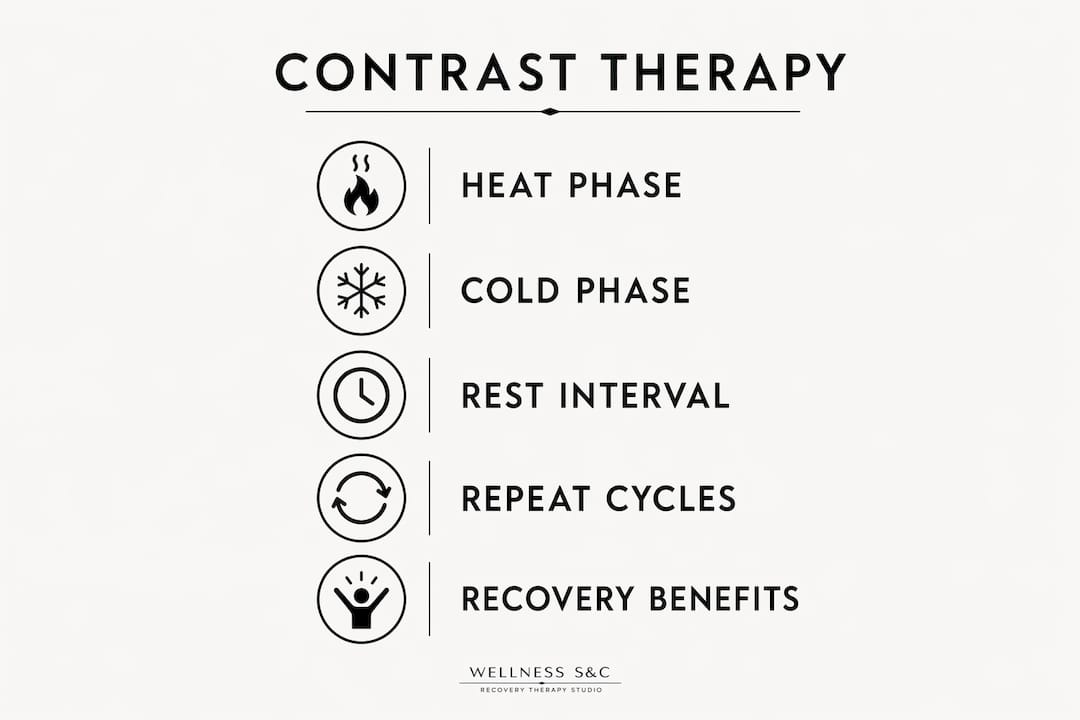
Cold phase: Vessels constrict sharply (vasoconstriction), pushing blood centrally and forcing metabolite-laden blood back toward the heart and lymphatic system. Within the first 60 seconds of cold immersion, norepinephrine surges significantly, followed by a sustained dopamine elevation that can last hours. Endorphins rise as well.
The vascular pump: Repeating this cycle two or three times creates a rhythmic contraction and dilation of the vascular system. Think of it as a manual flush for your circulatory and lymphatic systems, clearing lactic acid and inflammatory byproducts that accumulate during exercise or daily stress.
Statistic callout: A 2026 review in the International Journal of Biometeorology confirmed the mechanistic plausibility of contrast therapy but noted that clinical RCTs isolating the combined endpoint remain limited. The strongest longitudinal cardiovascular data still come from sauna-only cohort studies.
Not every claimed benefit of hot cold therapy carries the same level of proof. Here is an honest breakdown, so you can set realistic expectations and prioritize the goals that matter most to you.
Cardiovascular health and circulation — evidence: moderate
Regular sauna use is associated with reduced cardiac risk in large Finnish cohort studies. The vascular pump from contrast cycling contributes to circulatory stimulation beyond baseline effects. The combination is plausible and widely practiced, though long-term RCT data on the combined protocol specifically are still emerging.
Recovery and reduced muscle soreness (DOMS) — evidence: moderate
Enhanced metabolite clearance from the vascular pump is the primary mechanism. Athlete case series and practitioner data consistently show faster perceived recovery and reduced delayed-onset muscle soreness after contrast sessions. This is one of the most practically supported benefits.
Mood, alertness, and sustained energy — evidence: moderate
Cold immersion’s norepinephrine and dopamine effects are among the best-documented neurochemical outcomes in cold-exposure research. The heat phase adds endorphin release and a parasympathetic wind-down. Together, they produce a distinctive post-session state: calm but alert, which many users describe as the most noticeable benefit after their first few sessions.
Statistic callout: Practitioners commonly target around 11 minutes of total cold immersion per week to support metabolic benefits, rather than chasing extreme temperatures in a single plunge.
Metabolic signaling and fat oxidation — evidence: limited to moderate
Cold exposure activates brown adipose tissue (BAT) and increases non-exercise activity thermogenesis (NEAT). Practitioners often cite a moderate weekly cold-dose target to support metabolic signaling.
Skin and immune signaling from heat — evidence: moderate for heat; limited for the combination
HSP induction from repeated heat exposure supports cellular repair and has been linked to improved skin quality and immune resilience in sauna-specific research. The additive effect of cold on these outcomes is plausible but not yet well-characterized in combined-protocol trials.
Contrast therapy is not for everyone, and the hot-to-cold shift places a real, measurable demand on the cardiovascular system. The rapid vasoconstriction triggered by cold immersion raises blood pressure acutely, which is manageable for healthy adults but potentially dangerous for certain populations.
Absolute or strong contraindications:
Relative contraindications (modify or get clearance first):
Stop immediately and seek care if you experience: chest pain, prolonged palpitations, lightheadedness that does not resolve within a minute of sitting down, or breathlessness that persists after the cold phase ends. Excessive shivering — beyond the normal brief shiver response — signals physiological overreach and means the water temperature or duration is too aggressive for your current tolerance.
Core safety rules for every session:
For a full overview of session hygiene and safety practices, the sauna etiquette and best practices guide covers the practical details worth reviewing before your first session.
A well-established practitioner protocol runs as follows:
The norepinephrine surge peaks in the first 60 seconds of cold immersion. That is also when most beginners panic and exit early. The fix is simple: slow nasal inhale, long mouth exhale. Repeat that pattern deliberately for the first 30–60 seconds, and the cold shock response drops significantly.
Pro Tip: Don’t try to “tough it out” by holding your breath. Long exhales activate the parasympathetic nervous system and make the cold feel manageable within 60 seconds. Once you’re through that first minute, the rest of the plunge is almost meditative.
| Level | Sauna duration | Cold duration | Temperature | Rounds | Frequency |
|---|---|---|---|---|---|
| Beginner protocols emphasize shorter sauna and cold durations, moderate temperature ranges, fewer rounds, and multiple sessions per week |
| Intermediate protocols increase durations moderately, lower cold temperature within a typical range, and raise session frequency |
| Advanced protocols involve longer durations, colder temperatures common in practice, full rounds, and consistent weekly frequency |
Beginner parameters come from established contrast therapy guidelines that prioritize tolerance-building over intensity. Resist the urge to jump to advanced settings in your first week.
Traditional Finnish saunas run hotter (150–195°F) and produce a more intense heat load in a shorter session. HSP induction and cardiovascular stimulus are robust at these temperatures. Infrared saunas operate at lower temperatures (120–150°F) but penetrate tissue more deeply, making them more comfortable for longer sessions and for people who find high heat difficult to tolerate. Both are effective for contrast therapy; the protocol simply adjusts for session length.
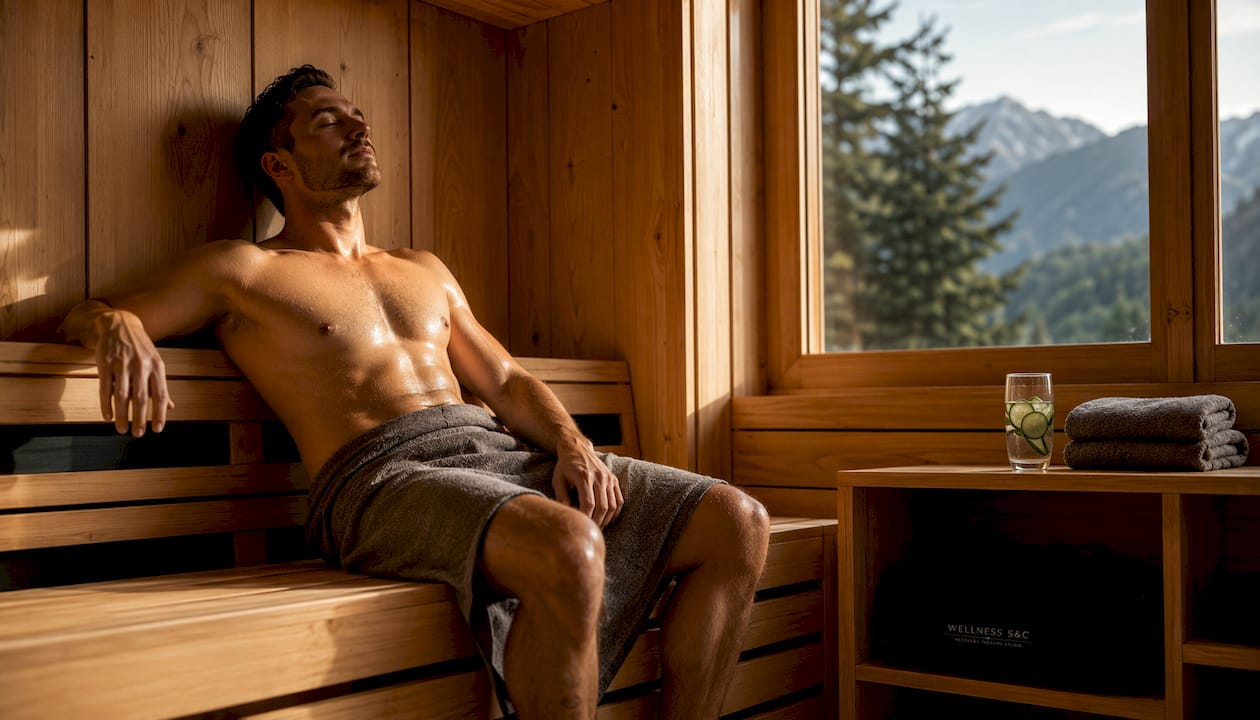
Wellnesslasvegas offers infrared sauna in Las Vegas with private rooms and temperature controls, which is a practical advantage when you want consistent, monitored heat without the guesswork of a shared facility.
Commercial cold plunge tubs maintain consistent temperatures (typically 48–55°F) with filtration and circulation. They are the most reliable option for repeatable protocols and the easiest to time accurately.
DIY ice baths (a bathtub with ice bags) can work but require more effort to hit and hold target temperatures. A practical tip: fill the tub with cold tap water first, then add ice to reach your target range. Check the temperature with a thermometer rather than guessing.
Cold showers are accessible and better than nothing, but full-body immersion produces a stronger physiological response because water conducts heat away from the body far more efficiently than air. A cold shower at the end of a sauna session is a reasonable starting point for absolute beginners.
Whole-body cryotherapy uses extremely cold air (around -200°F to -250°F) for 2–3 minutes rather than water immersion. The mechanism differs from cold plunge: skin surface temperature drops rapidly but core temperature changes are minimal. It is a legitimate option for people who cannot tolerate water immersion, though the vascular pump effect is less pronounced. You can compare the tradeoffs in detail on the cold plunge vs. cryotherapy page.
The timing of your contrast sessions relative to training determines whether you are accelerating recovery or potentially working against your adaptation goals.
The key rule for strength athletes: Avoid cold immersion within 0–2 hours after heavy resistance training if muscle hypertrophy is your primary goal. Cold blunts the mTOR and satellite cell signaling that drives muscle growth. Separate intense cold sessions from strength sessions by at least 6 hours when possible.
For endurance athletes and general recovery: Contrast therapy on the same day as a workout is acceptable and often beneficial. It reduces perceived soreness, clears metabolic byproducts, and supports sleep quality, all of which matter for endurance adaptation.
Scheduling templates:
| Goal | Timing | End on |
|---|---|---|
| Pre-workout alertness | 60–90 min before training | Cold |
| Post-workout recovery (strength) | ≥6 hours after lifting | Cold or heat |
| Post-workout recovery (endurance) | 20–60 min after session | Cold |
| Evening relaxation and sleep | 60–90 min before bed | Heat |
For athletes specifically, the infrared sauna for athletes page outlines how heat therapy integrates with performance training at Wellnesslasvegas.
A typical supervised contrast session at Wellnesslasvegas runs roughly 60–75 minutes from arrival to exit. Here is how it flows:
Arrival and health check: Staff review any relevant health history, confirm hydration status, and walk you through the session plan. First-timers get a brief orientation on breathing technique and what to expect during the cold phase.
Private sauna phase: You use a private infrared sauna room, which eliminates the shared-facility discomfort and lets you control your experience. Staff set the temperature to your target range and check in at the midpoint.
Supervised cold plunge: The cold plunge in Las Vegas at Wellnesslasvegas maintains consistent water temperatures with filtration. Staff are available during your first plunge to coach breathing and monitor your response.
Rest and rewarm: Between rounds, you rest in a warm, quiet space with water available. Towels and blankets are on hand for the post-cold rewarm phase.
Las Vegas heat consideration: The desert climate means you arrive already partially dehydrated compared to someone in a cooler city. Wellnesslasvegas recommends adding at least 16 oz of water to your pre-session intake on days when outdoor temperatures exceed 95°F, which in Las Vegas covers most of the summer. The contrast therapy services page has current session availability and booking details.
Certain medications and supplements change how your body responds to the thermal and cardiovascular stress of a contrast session. This is not a complete clinical list, but these are the interactions worth knowing before you start.
Beta-blockers: These blunt the heart rate response to both heat and cold, which can mask warning signals like tachycardia. Your perceived exertion may feel lower than your actual cardiovascular load. Tell your prescribing physician you are doing contrast therapy.
Antihypertensives (calcium channel blockers, ACE inhibitors, diuretics): Heat causes peripheral vasodilation and can drop blood pressure significantly. Combined with a diuretic’s fluid-reducing effect, the risk of orthostatic hypotension during transitions is real. Hydration becomes even more critical.
Blood thinners (warfarin, direct oral anticoagulants): Extreme temperature changes affect circulation and platelet aggregation. No specific contraindication exists for contrast therapy at standard temperatures, but your anticoagulation team should know about any new thermal stress routine.
Stimulant supplements (high-dose caffeine, pre-workouts with synephrine): These raise baseline heart rate and blood pressure before you add the cardiovascular demand of heat and cold cycling. Avoid high-dose stimulants within 2 hours of a contrast session.
Alcohol: Even moderate alcohol impairs thermoregulation and blunts the body’s ability to vasoconstrict appropriately in cold. Avoid contrast therapy within several hours of alcohol consumption.
Magnesium and electrolyte supplements: These are generally supportive rather than problematic. Magnesium in particular may enhance the parasympathetic recovery response after sessions. Electrolyte replenishment post-session is a reasonable practice, especially in Las Vegas heat.
For natural stress-reduction practices that complement contrast therapy, including breathwork and mindfulness techniques that reinforce the parasympathetic benefits of heat exposure, this guide on reducing stress naturally covers several approaches worth pairing with your routine.
This article is general information, not medical advice. Confirm how contrast therapy interacts with your specific medications with your prescribing clinician before starting.
Contrast therapy works best when you follow a structured protocol: sauna first, cold second, 2–3 rounds, with cold as the final phase for energy or heat for sleep.
| Point | Details |
|---|---|
| Start conservatively | Begin with 10–15 min sauna and 30–90 sec cold at 48–55°F for 2 rounds, 2–3x/week. |
| Manage the cold shock | Use slow nasal inhales and long mouth exhales in the first 60 seconds to bypass panic and access neurochemical benefits. |
| Target weekly cold volume | Aim for roughly 11 minutes of total cold immersion per week across sessions for measurable metabolic signaling. |
| Protect hypertrophy goals | Separate cold immersion from heavy resistance training by at least 6 hours to avoid blunting muscle-adaptation signaling. |
| Wellnesslasvegas in Las Vegas | Supervised contrast sessions at Wellnesslasvegas offer private rooms, consistent water temps, and staff coaching for beginners. |
Most contrast therapy content focuses on the cold plunge as the hero of the protocol. The dramatic temperature drop, the norepinephrine spike, the “warrior” imagery. But in clinical terms, the sauna phase is doing at least as much work, and possibly more, for long-term health outcomes.
The Finnish cohort data on sauna use and cardiovascular risk reduction is among the most compelling longitudinal evidence in the wellness space. Cold exposure data, while exciting, is largely short-term and mechanistic. When you combine sauna and cold therapy, you are not just adding two good things together. You are using the cold phase to amplify and extend what the heat phase already started, specifically the vascular training stimulus and the neurochemical reset.
What beginners consistently underestimate is the importance of the rest interval between rounds. Rushing back into the sauna immediately after the cold plunge cuts short the parasympathetic recovery window where a lot of the mood and autonomic benefit actually consolidates. Two minutes of calm sitting between rounds is not wasted time. It is part of the protocol.
The other overlooked variable is consistency over intensity. Chasing the coldest possible water temperature or the longest possible sauna session is a common mistake that leads to early dropout and, in some cases, real cardiovascular stress. A steady 3x/week routine at moderate parameters will outperform an aggressive 1x/week session every time, both for adaptation and for the subjective experience that keeps you coming back.
For Las Vegas clients specifically, the ambient heat load of the desert environment means your body is already managing a thermal challenge before you walk into a sauna. That context matters for hydration, for session intensity, and for how you feel afterward.
If you are new to contrast therapy or want to dial in your protocol with professional guidance, starting at a supervised facility is the most practical choice. Wellnesslasvegas offers cold plunge and sauna recovery sessions in private rooms with staff available to coach your first few rounds, monitor your response, and adjust temperatures based on your tolerance.
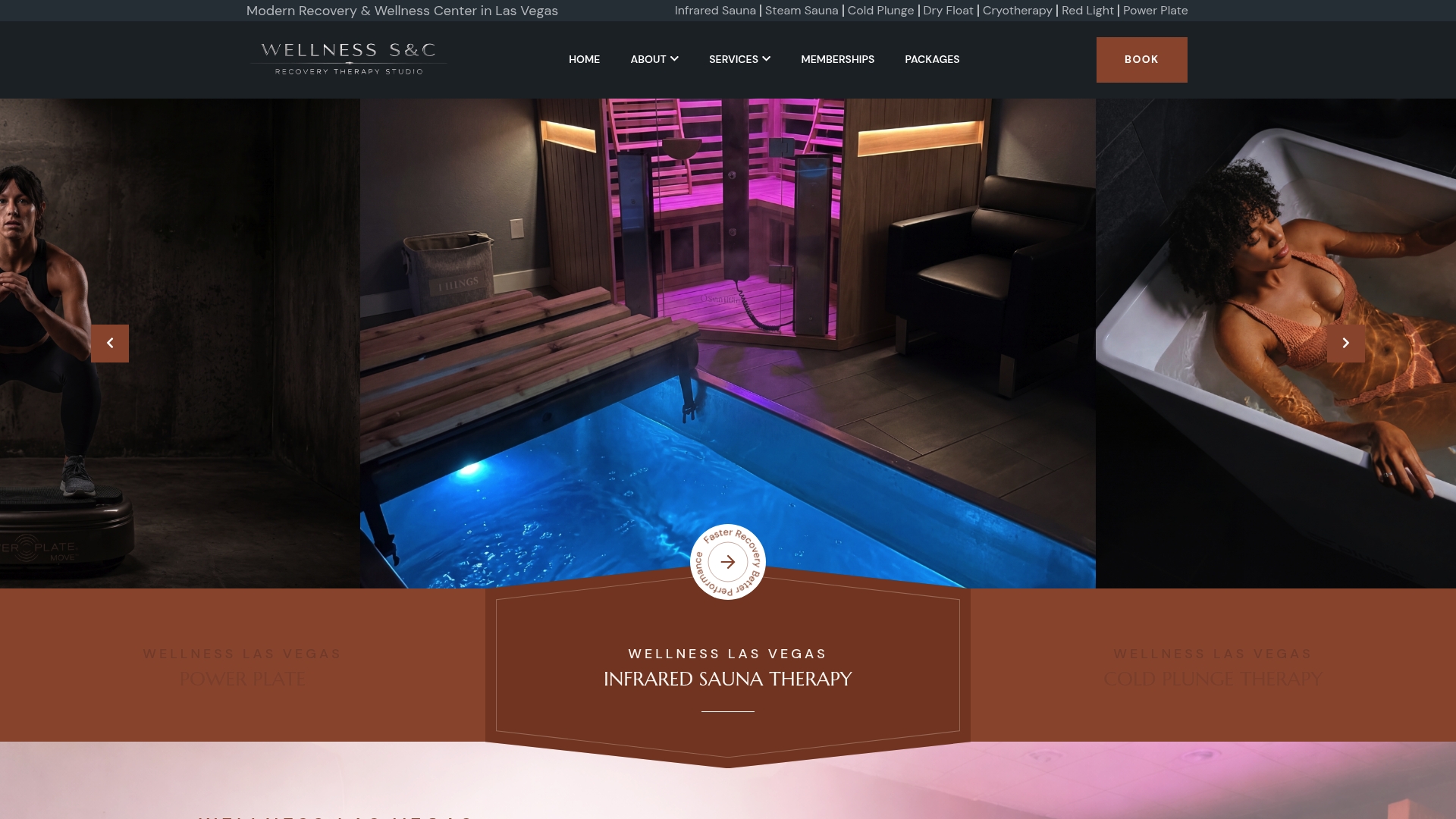
The facility combines infrared sauna, cold plunge, cryotherapy, and red light therapy under one roof, so you can build a recovery stack that matches your specific goals rather than committing to a single modality. Athletes use the contrast package alongside Power Plate training for a complete recovery session. Busy professionals often pair a 45-minute infrared sauna with one cold plunge round as a midweek reset.
When you book, let the front desk know your experience level, any medications you take, and whether you have cardiovascular history. Bring water, wear comfortable clothing you can change out of quickly, and plan for 60–75 minutes total. Given Las Vegas temperatures, arriving already hydrated makes a measurable difference in how you feel during and after the session.
The following sources informed this article and are worth bookmarking if you want to go deeper on the science or protocols:
Do the sauna first, cold second. Heat primes vasodilation and raises core temperature, making the cold-phase vasoconstriction more effective and the vascular pump more pronounced.
Yes. A standard contrast session alternates 2–3 rounds of sauna and cold plunge with short rest intervals between each round. This is the core of the contrast therapy protocol.
Allow 30–60 seconds between exiting the sauna and entering the cold plunge. This brief transition gives your cardiovascular system a moment to adjust and reduces the abruptness of the temperature shift, especially for beginners.
Yes, though the mechanism differs from a cold plunge. Whole-body cryotherapy uses cold air rather than water immersion, producing a strong skin-surface response with less core temperature change. Wellnesslasvegas offers both modalities and can help you decide which combination fits your recovery goals.
Avoid heavy meals, alcohol, and intense exercise immediately after a sauna session. If you are not doing a cold plunge, allow your body temperature to normalize gradually in a cool room rather than stepping directly into extreme cold without preparation.

