- Infrared Sauna Las Vegas | Cold Plunge & Cryotherapy

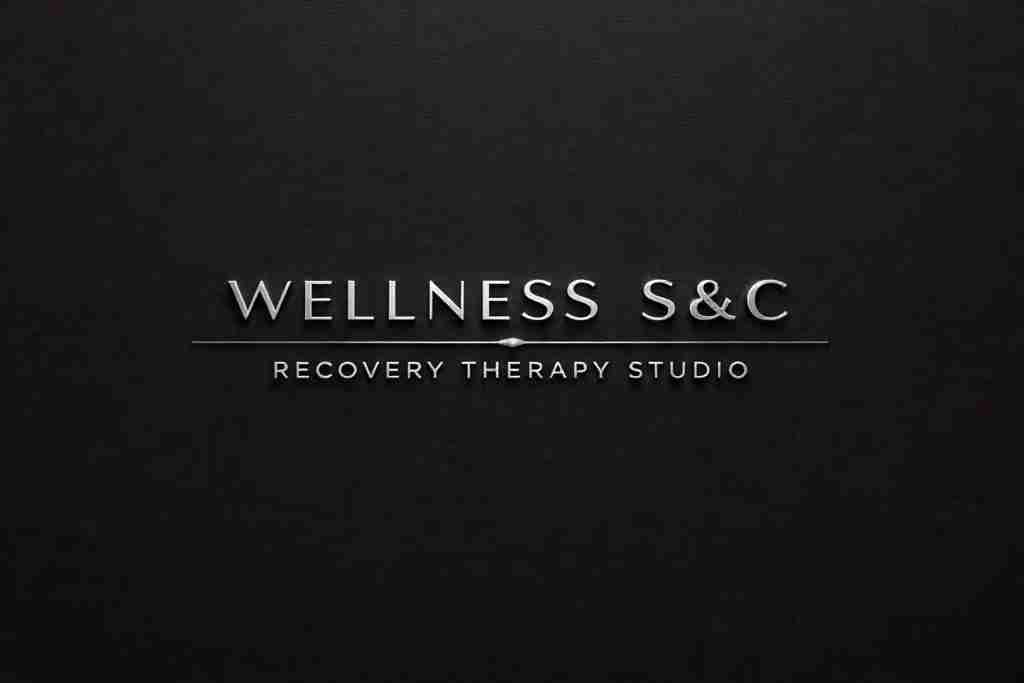
A cryo chamber is a controlled cold-air enclosure that exposes your whole body to subzero temperatures for a short session, triggering rapid vasoconstriction followed by a powerful reperfusion response that delivers oxygenated blood back to your muscles and tissues.
TL;DR:
A cryo chamber, also called a cryosauna or whole-body cryotherapy (WBC) unit, is a fully enclosed, walk-in room or cylinder designed to surround your body with ultra-cold dry air. You stand upright inside while the temperature drops well below freezing. The session is short by design — the extreme cold necessitates brief exposure to ensure safety.
You’ll see the term used a few different ways in Las Vegas studios:
The physical setup matters for your experience. Walk-in room-style chambers enclose your entire body, including your head. Cylindrical cryosaunas keep your head above the unit, which affects both comfort and the type of cooling system the studio can safely use. Controls and temperature sensors sit on the exterior panel, where a trained operator monitors your session in real time.
Quick fact: Whole-body cryotherapy) exposes the body to freezing dry air, typically at or below -100°C, for 2–4 minutes — short enough to be safe when properly supervised, long enough to trigger a measurable physiological response.
The core mechanism is straightforward. When your skin contacts extreme cold, your body interprets it as an emergency. Blood vessels near the surface constrict sharply, redirecting circulation away from the skin and toward your core organs. That’s vasoconstriction. The moment you step out of the chamber, those vessels dilate again, and oxygenated, nutrient-rich blood rushes back to your muscles and peripheral tissues. That’s reperfusion, and it’s where most of the recovery benefit comes from.
The downstream effects go further than circulation alone:
“In response to extreme cold, the body performs an ‘emergency reaction’ to accelerate blood flow to the core to maintain optimal temperature. After leaving the cold environment, blood flows back to the limbs and other peripheral areas, bringing a rich supply of resources prepared by the body to combat the ‘emergency’ situation.”
— Mass General Brigham, Cryotherapy for Athletes
Recent clinical literature positions WBC as an adjunctive recovery tool, not a standalone cure. Protocols vary across studies, and individual responses differ. The evidence is most consistent for reducing acute post-exercise inflammation and perceived soreness.
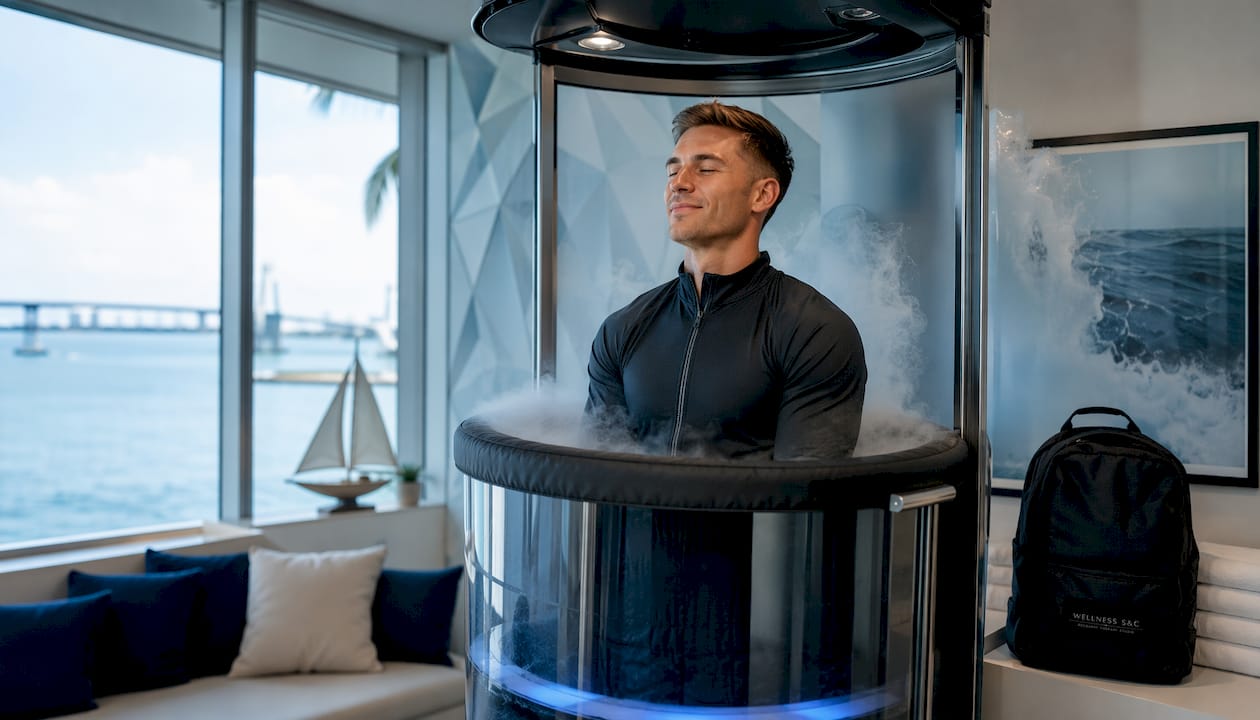
Not every cold chamber works the same way. The two main systems differ in how they generate cold, and that difference affects safety, comfort, and what you can expect during a session.
Electric chambers use cascade refrigeration compressors and fans to circulate extremely cold, breathable air throughout the enclosure. Because the air stays oxygenated, your head can safely remain inside the chamber, giving you full-body exposure. There’s no liquid nitrogen on site, which eliminates oxygen-displacement risk. The tradeoff: electric systems have higher upfront costs and take longer to reach target temperatures than LN2 units.
LN2 systems inject nitrogen vapor to achieve rapid cooldown, which is why they’re common in high-volume studios. The catch is that nitrogen vapor is unsafe to inhale, so these units are almost always configured as cryosaunas with your head outside the cold zone. Studios running LN2 equipment need oxygen sensors and proper ventilation to manage nitrogen displacement safely.
Local or “spot” cryo uses a handheld device to direct cold air at a specific area, like a sore knee or shoulder. It’s a targeted tool, not a whole-body session, and it’s often used alongside WBC for injury-specific recovery.
Pro Tip: When booking in Las Vegas, ask the studio directly whether they use an electric or LN2 system. Electric chambers allow full-head exposure and carry no hypoxia risk; LN2 units cool faster but require stricter ventilation protocols. Either can be safe in a well-run facility.
The most consistently reported benefits of whole-body cryotherapy center on recovery and how your body feels after intense physical activity. Here’s what the evidence supports:
Clinical reviews confirm that WBC shows promise in select populations, particularly athletes and people with inflammatory conditions, but heterogeneous protocols across studies make universal claims difficult. Individual variability is real. Some people feel a significant difference after a handful of sessions; others need a longer program to notice consistent changes.
WBC is best understood as an adjunctive recovery tool — one piece of a broader plan that might include soft tissue therapy, strength work, and sleep — rather than a replacement for any of those.
One thing worth knowing: WBC is not FDA-approved to treat any specific medical condition. Studios offering it as a wellness and recovery service operate within that framework. If you have a diagnosed condition, talk to your doctor before booking.
Knowing what happens step by step makes your first session much less intimidating. Here’s the typical flow at a professional Las Vegas studio:
Because the air inside is extremely dry, many first-time users find the sensation more tolerable than an ice bath. It feels closer to standing outside on a sharp, windy winter day than being submerged in cold water. That dry-cold tolerability is one reason people stick with WBC long enough to see results.
Aftercare tips:
Pro Tip: Wear your warmest socks into the studio. Feet are the most exposed extremity in a cryosauna, and keeping them comfortable makes the whole session easier to complete.
For most healthy adults, a properly supervised WBC session carries low risk. That said, certain conditions make WBC inadvisable, and you should know them before booking.
Who should avoid whole-body cryotherapy:
Common minor side effects most people experience at some point:
Rare but serious risks are almost always tied to improper equipment use or unsupervised sessions. Frostbite can occur if skin is wet or metal is left on. Hypoxia is a risk specific to LN2 systems that lack proper oxygen monitoring and ventilation.
“Because of the extreme cold involved, cryotherapy can be a shock to the system. To maximize safety, cryotherapy should only be applied in controlled and supervised environments.”
— Brian George, Performance Recovery Specialist, Mass General Brigham
If you have any cardiovascular condition, respiratory issue, or are on medications that affect circulation, consult your physician before your first session. This article is general information, not medical advice — your doctor knows your specific situation.
Both cold modalities reduce perceived soreness and support recovery. The differences come down to how the cold is delivered, how long you’re exposed, and what fits your life.
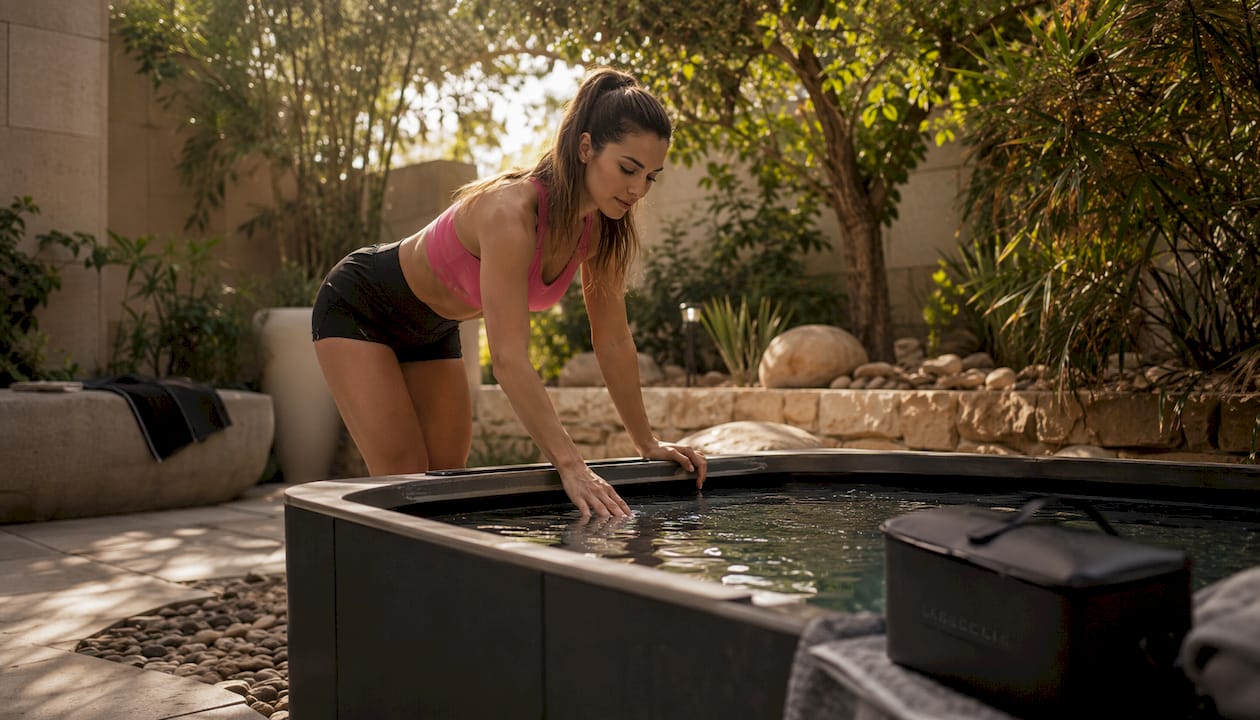
| Factor | Cryo Chamber | Ice Bath / Cold Plunge |
|---|---|---|
| Exposure type | Dry cold air | Cold water immersion |
| Session length | 2–4 minutes | 10–20 minutes |
| Temperature range | -110°C to -140°C | 10°C (50°F) |
| Head exposure | Full (electric) or head-out (LN2) | Full body including head |
| Tolerability | Often easier (dry air) | Harder for beginners |
| Tissue penetration | Surface/skin level | Deeper muscle cooling |
| Accessibility | Studio required | Home tub or cold plunge |
| Cost per session | Higher | Lower or free at home |
For a deeper look at how these two methods compare in practice, the cryotherapy vs ice bath breakdown covers the tradeoffs in detail.
Who tends to do best with each:
The two aren’t mutually exclusive. Many serious athletes use both, rotating based on training phase and recovery goals.
Single sessions produce noticeable effects, but consistency matters far more than any individual visit. Research and practitioner guidelines align on this point: a minimum of 20 sessions is required to observe consistent improvements, and 30 sessions is the commonly recommended program for optimal results.
Typical frequency recommendations:
Typical US price ranges (regional variance applies; Las Vegas pricing is competitive):
| Usage Pattern | Frequency | Estimated Monthly Cost |
|---|---|---|
| Introductory program | 2–3x/week | $320 |
| Maintenance | 1x/week | $160 |
| Membership (unlimited or capped) | Varies | $150–$350 |
Memberships at Las Vegas wellness studios typically offer the best per-session value if you plan to commit to the recommended program length.
Not all studios are equal. Before you book, run through this checklist to make sure you’re walking into a safe, professional environment.
Operator qualifications and screening:
Equipment standards:
Facility hygiene and emergency readiness:
Questions to ask when booking:
Pro Tip: A studio that answers these questions confidently and without hesitation is one worth trusting. Vague or dismissive answers are a signal to look elsewhere.
For a local reference, the cryotherapy spa guide covers what a professional Las Vegas session looks like from arrival to aftercare.
Whole-body cryotherapy works by triggering vasoconstriction and reperfusion in 2–4 minutes, and consistent use across at least 20 sessions produces the most reliable recovery benefits.
| Point | Details |
|---|---|
| Core mechanism | Vasoconstriction during the session drives reperfusion on exit, delivering oxygenated blood to muscles. |
| Session basics | Sessions run for a few minutes at temperatures well below freezing; dry skin and no metal jewelry are required. |
| Consistency over single sessions | A minimum of 20 sessions is needed for consistent improvements; 30 is the recommended program length. |
| Safety screening matters | Pregnancy, uncontrolled hypertension, and certain cardiac conditions are contraindications; always disclose your health history. |
| Wellnesslasvegas | Wellnesslasvegas offers supervised cryotherapy in Las Vegas with professional staff, proper equipment, and integrated recovery programs. |
The clients who get the most out of WBC tend to share one trait: they treat it as part of a plan, not a one-time experiment. Las Vegas draws a wide range of people through our doors at Wellnesslasvegas, from competitive athletes managing heavy training loads to weekend warriors nursing sore legs after a long hike, to busy professionals who just want to feel sharper and less inflamed by Thursday.
What we observe consistently is that the people who see the clearest results combine cryotherapy with complementary modalities. Pairing a WBC session with red light therapy or a contrast therapy protocol amplifies the circulatory effects and extends the recovery window. Adding chiropractic care for athletes dealing with structural issues rounds out the picture further.
Individual variability is real, and we respect it. Some clients feel a dramatic difference after their third session; others need a minimum of 20 sessions before the changes feel durable. That’s why our staff builds a tailored plan for each person rather than handing everyone the same protocol. If you’re curious whether WBC fits your recovery goals, the most useful thing you can do is come in for a consultation and be honest about your training load, sleep quality, and what you’re trying to fix.
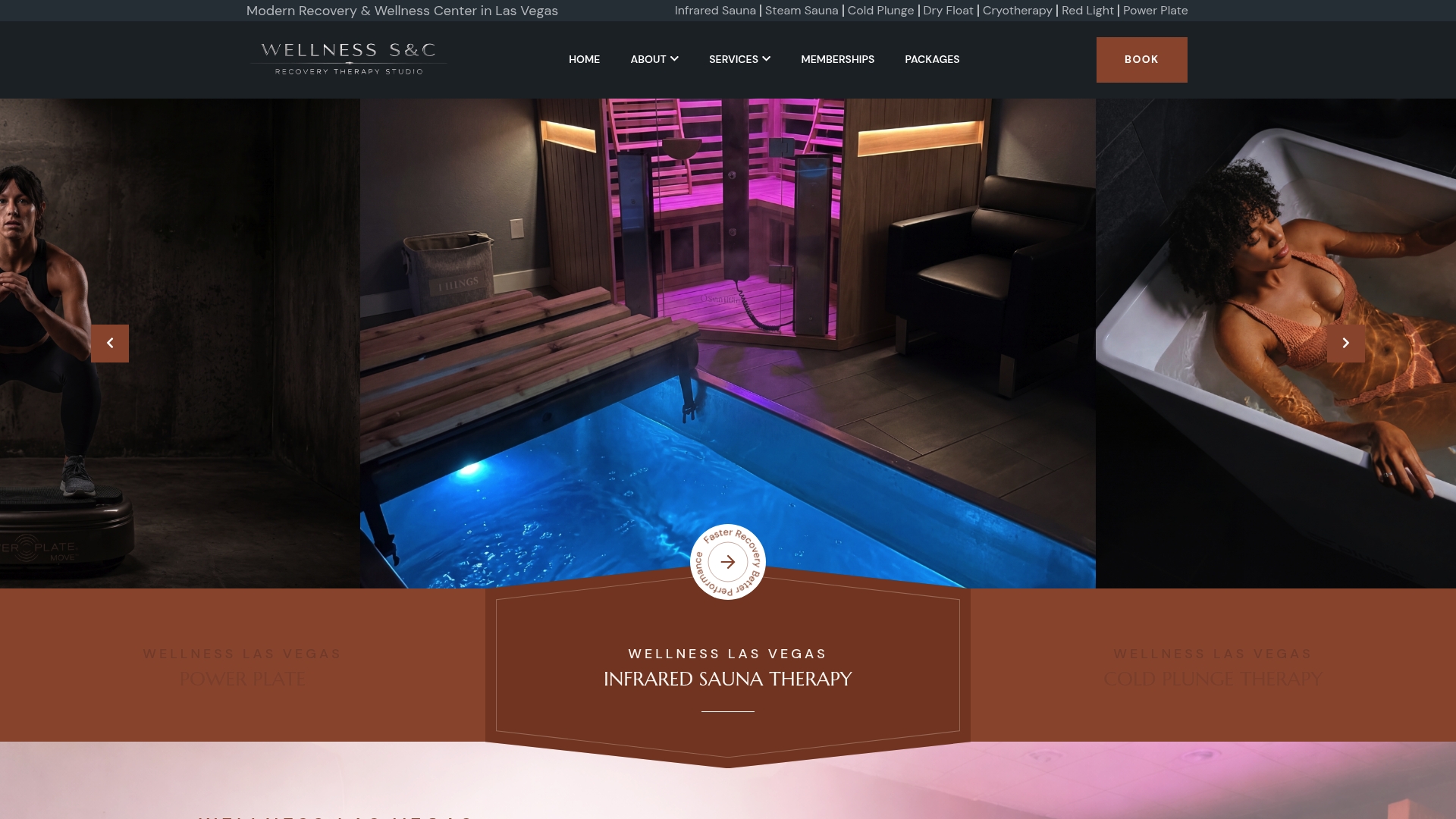
Wellnesslasvegas is Las Vegas’s professionally managed recovery destination for athletes and wellness-focused adults who want real results from their sessions, not just a cold experience. Our cryotherapy service is supervised by trained staff, run on well-maintained equipment with documented safety protocols, and designed to fit into a broader recovery plan that can include infrared sauna, cold plunge, red light therapy, and Power Plate training.
Single sessions are available for first-timers, and membership packages make the recommended 20–30 session program genuinely affordable. If you want to pair cryo with heat therapy, our infrared sauna sessions are a natural complement that many of our clients stack on the same visit.
Book your first session at Wellnesslasvegas and let our staff walk you through the protocol, answer your questions, and build a plan that matches your goals.
For most healthy adults, yes. WBC can reduce post-exercise muscle soreness, support mood, and aid recovery when used consistently as part of a broader wellness plan. It is not FDA-approved to treat medical conditions, so consult your doctor if you have underlying health concerns.
Neither is universally better. Cryo chambers offer shorter sessions, more precise temperature control, and are often easier to tolerate because of the dry air. Ice baths provide deeper tissue cooling and are more accessible at home. Many athletes use both depending on their training phase.
Sessions typically last 2–4 minutes. Research shows that 3–4 minute exposures differ meaningfully from 1–2 minute sessions, and longer durations can negatively affect thermal sensation and tissue oxygenation, so studios keep sessions strictly timed.
People who are pregnant, have uncontrolled hypertension, a recent heart attack, unstable angina, certain arrhythmias, severe peripheral vascular disease, Raynaud’s syndrome, or cold urticaria should avoid WBC. Always complete a health screening with studio staff before your first session.
Most practitioners recommend a minimum of 20 sessions before consistent improvements appear, with 30 sessions as the optimal program length. Sporadic single sessions rarely produce durable outcomes.

