- Infrared Sauna Las Vegas | Cold Plunge & Cryotherapy

Oxygen therapy spa treatments deliver concentrated oxygen in controlled environments, from pressurized hyperbaric chambers to oxygen bars and infused facials, to support cellular repair, mental clarity, and faster recovery. Sessions typically run from short to extended durations depending on the treatment type, and Las Vegas has become one of the more active U.S. markets for these services. Whether you’re an athlete chasing faster recovery or a busy professional looking to reset, here’s what you need to know before booking.
At a glance:
HBOT involves breathing 100% purified oxygen inside a pressurized chamber, which raises the amount of oxygen dissolved directly in your blood plasma. That matters because it bypasses the normal limits of hemoglobin, allowing oxygen to reach tissues that standard breathing cannot saturate as deeply. The result is accelerated cellular repair and measurable reduction in inflammation.
What to expect during a session:
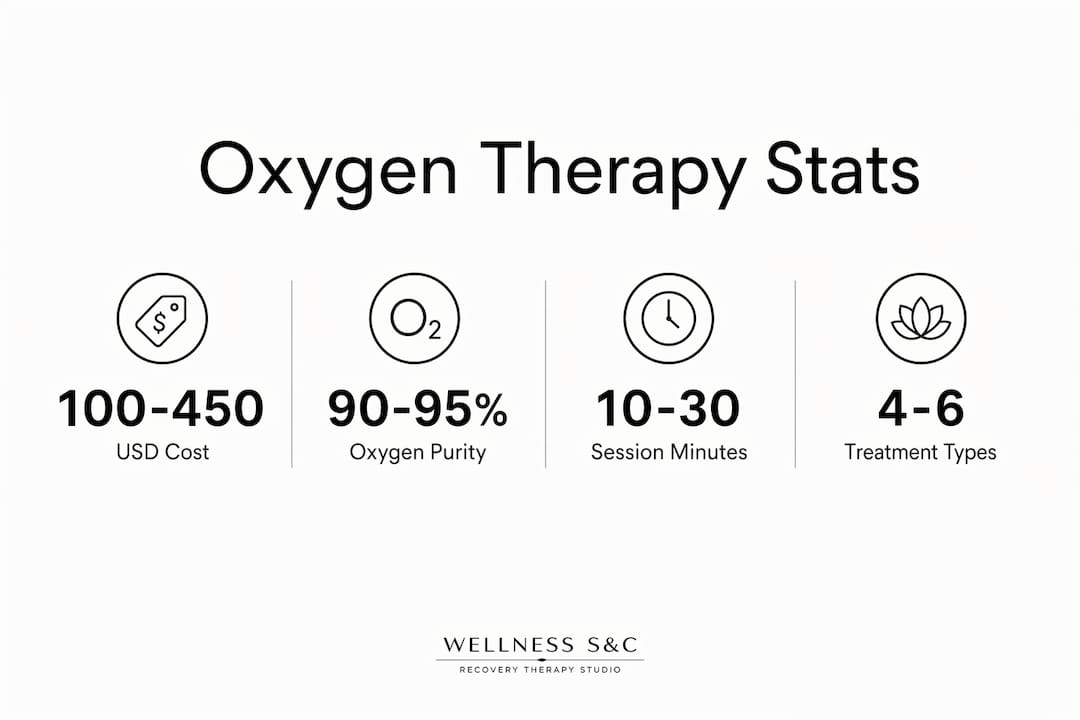
Recreational oxygen bars work differently. They deliver 90–95% pure oxygen through a nasal cannula at standard atmospheric pressure, producing a lighter effect suited to mood and energy rather than deep tissue recovery. Think of it as the difference between a brisk mountain hike and a clinical treatment: both involve oxygen, but the physiological depth is not the same.
The benefits vary by treatment type, but the core mechanism is consistent: more oxygen available to your cells means faster repair, less inflammation, and better cognitive function.
Benefits supported by HBOT:
Benefits from recreational oxygen sessions:
For athletes in Las Vegas, pairing oxygen therapy with recovery routines like cryotherapy or red light therapy tends to produce better results than any single session alone. The brain also responds well: oxygen supports memory, reaction time, and focus, which is why many professionals use it mid-week rather than just post-workout.
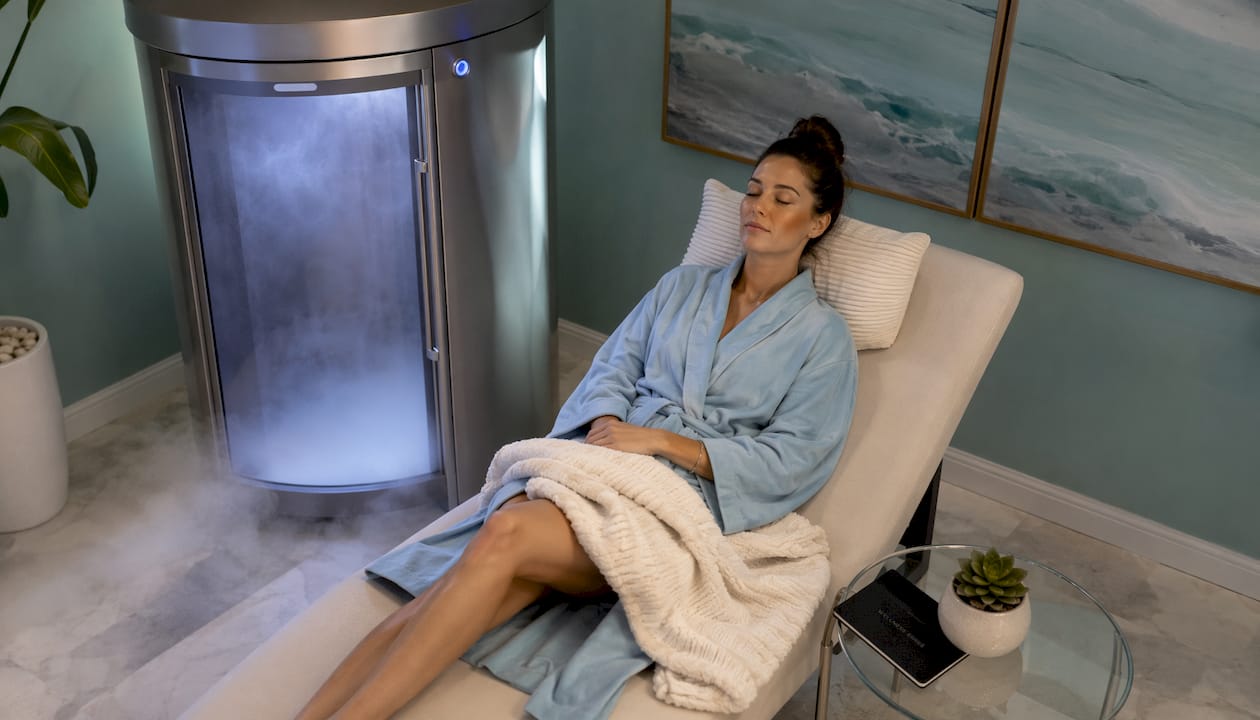
Oxygen therapy is safe for most healthy adults when administered by trained staff following proper protocols. That said, medical screening is recommended before HBOT, particularly for anyone with pre-existing conditions.
Who should consult a physician first:
Common side effects (typically mild and temporary):
Oxygen toxicity is a risk only at clinical pressure levels, not at the mild pressures used in most wellness spa settings. Still, thorough client screening before HBOT is a non-optional safety step at any reputable facility. If a spa skips that conversation entirely, that’s worth noting before you book.
A single HBOT session costs $100–$450 in the U.S., depending on the provider, chamber type, and session length. Soft-chamber spa HBOT tends to sit at the lower end; hard-shell medical-grade chambers run higher.
Quick logistics breakdown:
Packages and memberships often reduce per-session cost significantly. Some facilities now offer nanobubble oxygen chair memberships at monthly rates designed to support weekly sessions, which makes recurring use more accessible. For anyone serious about recovery, a package beats paying per session every time.
Las Vegas has a growing number of facilities offering spa-grade oxygen treatments, ranging from steam oxygen pods to full HBOT chambers.
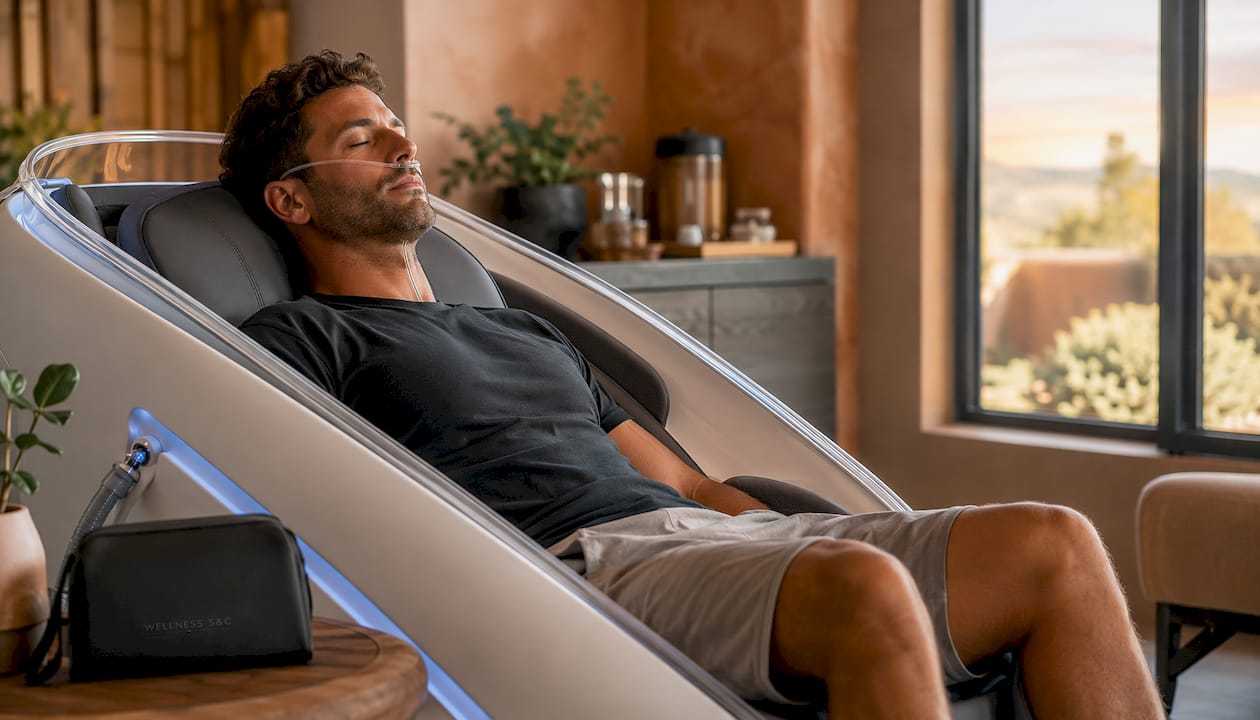
Wellnesslasvegas offers steam oxygen pod sessions as part of a broader recovery menu that includes infrared sauna, cryotherapy, cold plunge, and red light therapy. The facility is built around private rooms and professional-grade equipment, making it a practical choice for athletes and professionals who want multiple modalities in one visit.
What to look for in a Las Vegas oxygen spa:
Beyond HBOT, Las Vegas spas increasingly offer oxygen-infused facials and nanobubble oxygen chairs, reflecting the growing integration of oxygen technology into premium wellness packages. Facilities that pair oxygen with massage, red light, or IV therapy create a more complete recovery session than any single treatment can deliver.
Pro Tip: Book your first HBOT session on a lighter training day. Your body responds better to pressurized oxygen when it isn’t already in acute recovery mode from a hard workout.
Preparation is straightforward, but a few steps make a real difference in how you feel during and after.
For oxygen bar sessions, preparation is minimal. You can walk in, sit down, and breathe. The cannula fits comfortably in the nostrils, and most people find the experience immediately relaxing.
Most people notice something after their first session: sharper focus, reduced fatigue, or a general sense of calm. Physical recovery benefits, like reduced muscle soreness, tend to show up within a few hours. Skin improvements from oxygen facials are often visible immediately and last several days.
Post-session recommendations:
Consistent use produces the most lasting results. Single sessions combined with other therapies like cryotherapy show better long-term outcomes than isolated treatments. A realistic timeline: noticeable energy and clarity improvements within 1–3 sessions, deeper recovery and inflammation benefits after 6–10 sessions for people with specific goals.
The category has expanded well beyond the classic oxygen bar. Here’s the current range you’ll find at wellness spas in 2026:
Pressurized chamber delivering 100% oxygen. The most physiologically intensive spa option, used for recovery, inflammation, and performance. Available in soft-shell (mild pressure) and hard-shell (higher pressure, closer to clinical) formats.
Recreational sessions delivering 90–95% pure oxygen via nasal cannula at standard pressure. Sessions run 10–30 minutes. Best for quick energy, mental clarity, and relaxation rather than deep tissue effects.
Topical oxygen delivered at 90–95% purity alongside peptides and hyaluronic acid to improve skin hydration, reduce fine lines, and support cell regeneration. A popular add-on to existing spa visits.
An emerging format using a built-in oxygen concentrator to infuse water with oxygen nanobubbles (0.005–0.02 microns) while you receive a massage. No tanks required. These units are appearing in Las Vegas wellness facilities as a premium, low-maintenance service option.
A hybrid treatment combining steam heat with concentrated oxygen delivery. Wellnesslasvegas offers this format as part of its recovery lineup, pairing the circulatory benefits of steam with increased oxygen intake.
Pairing any of these with red light therapy or a cold plunge session creates a layered recovery protocol that addresses circulation, inflammation, and cellular repair simultaneously.
Oxygen therapy spa treatments deliver real, measurable wellness benefits when used consistently and matched to the right treatment type for your goals.
| Point | Details |
|---|---|
| HBOT session cost | Single sessions range $100–$450 in the U.S., depending on provider and session length. |
| Session duration | HBOT sessions typically last 60–90 minutes; oxygen bar sessions run 10–30 minutes. |
| Safety screening | Medical clearance is recommended before HBOT for anyone with heart, lung, or pregnancy concerns. |
| Best results approach | Consistent sessions combined with therapies like cryotherapy produce better long-term outcomes than single treatments. |
| Las Vegas options | Wellnesslasvegas offers steam oxygen pods alongside cryotherapy, infrared sauna, and red light therapy in one facility. |
Oxygen therapy is one of the most misunderstood treatments in the wellness space, and the gap between what people expect and what actually happens is worth addressing directly.
HBOT is not a quick fix. The physiology is real: pressurized oxygen does dissolve into plasma at higher concentrations, and that does support tissue repair and inflammation reduction. But the people who see the most benefit are those who treat it as part of a consistent recovery routine, not a one-time reset. A single session after a hard week will leave you feeling clearer. A structured protocol over several weeks, combined with complementary therapies, is where the deeper results show up.
The recreational oxygen bar, on the other hand, gets unfairly dismissed. For a busy professional in Las Vegas who needs a 20-minute mental reset between meetings, it delivers exactly what it promises: a brief, clean energy lift without stimulants or side effects. Calling it “just spa air” misses the point. It’s not trying to heal tissue. It’s a spa for the lungs, and for that purpose, it works.
The facilities that do this well are the ones that educate clients honestly, screen appropriately, and build programs rather than sell single sessions. That’s the standard worth holding providers to.
Oxygen therapy at a spa delivers concentrated oxygen, either through a pressurized chamber (HBOT) or a nasal cannula at standard pressure, to support recovery, mental clarity, and relaxation in a wellness setting.
Common side effects are mild and temporary, including ear pressure changes, sinus discomfort, and occasional light-headedness during pressurization. These typically resolve within minutes of the session ending.
HBOT is used to accelerate tissue repair, reduce inflammation, support immune function, and improve recovery after physical exertion, injury, or surgery. Wellness spas offer it primarily for performance recovery and general vitality.
A single HBOT session in the U.S. costs $100–$450 depending on the provider and session length. Recreational oxygen bar sessions are significantly less, typically $10–$25 for a 10–30 minute session.

