- Infrared Sauna Las Vegas | Cold Plunge & Cryotherapy


Oxygen therapy is the administration of supplemental oxygen through prescribed devices to correct low blood oxygen levels and support recovery from chronic conditions. Supplemental oxygen is delivered via tanks, concentrators, or portable units through nasal cannulas or face masks, depending on the patient’s needs. Conditions like COPD, cystic fibrosis, pulmonary hypertension, and heart failure all reduce the body’s ability to maintain healthy blood oxygen on its own. Whether you are managing a chronic illness or supporting post-activity recovery in Las Vegas, understanding the full oxygen therapy procedure gives you a real advantage.
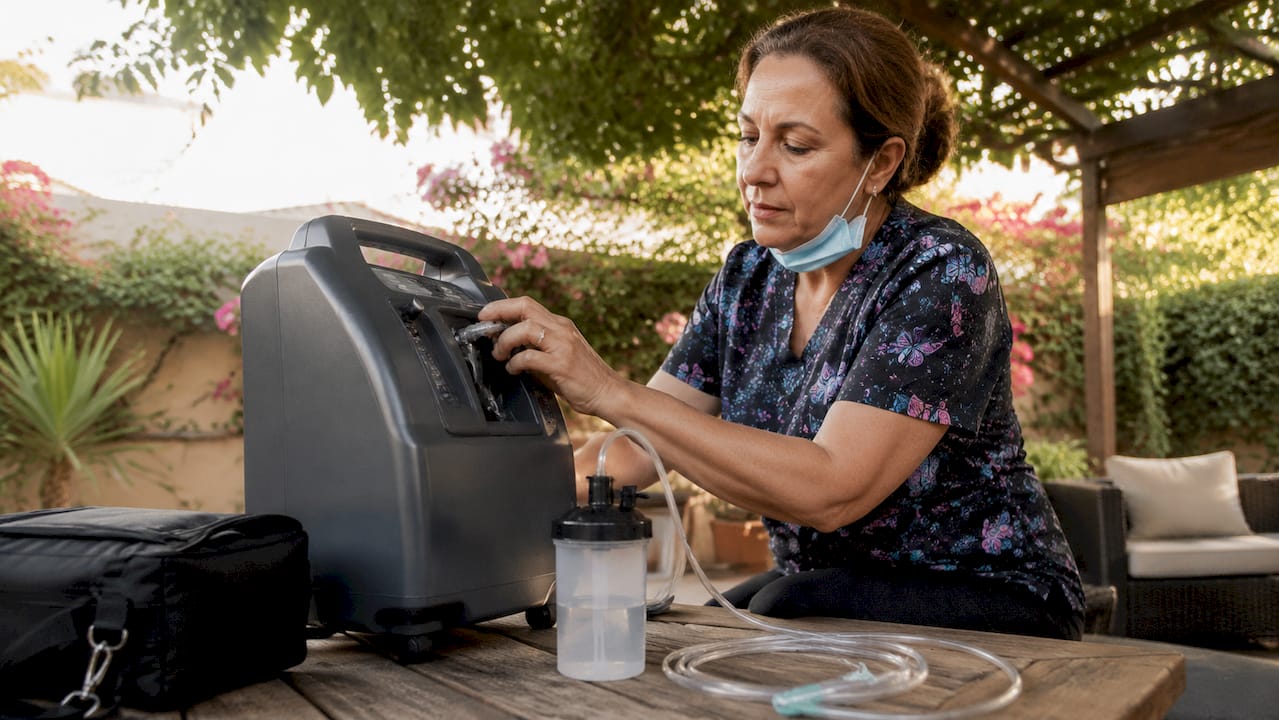
The right equipment determines how safe and effective your therapy will be. Oxygen delivery systems fall into three main categories: compressed gas tanks, liquid oxygen systems, and electric oxygen concentrators. Each has trade-offs in portability, cost, and duration of supply.
| System Type | Best For | Key Limitation |
|---|---|---|
| Compressed gas tank | Short-term or backup use | Runs out; requires refills |
| Liquid oxygen | Active patients needing portability | Evaporates over time |
| Oxygen concentrator | Long-term home use | Requires electricity |
Once you have a supply source, you need a delivery device. The three most common options are:
Accessories matter too. A humidifier bottle attaches to the flow regulator and adds moisture to the oxygen, which prevents nasal dryness during extended sessions. Standard tubing connects the supply source to the delivery device, and a flow regulator controls the liters per minute reaching you.
Pro Tip: In Las Vegas, the dry desert climate makes a humidifier bottle especially important. Without it, extended oxygen use can cause significant nasal irritation and discomfort.
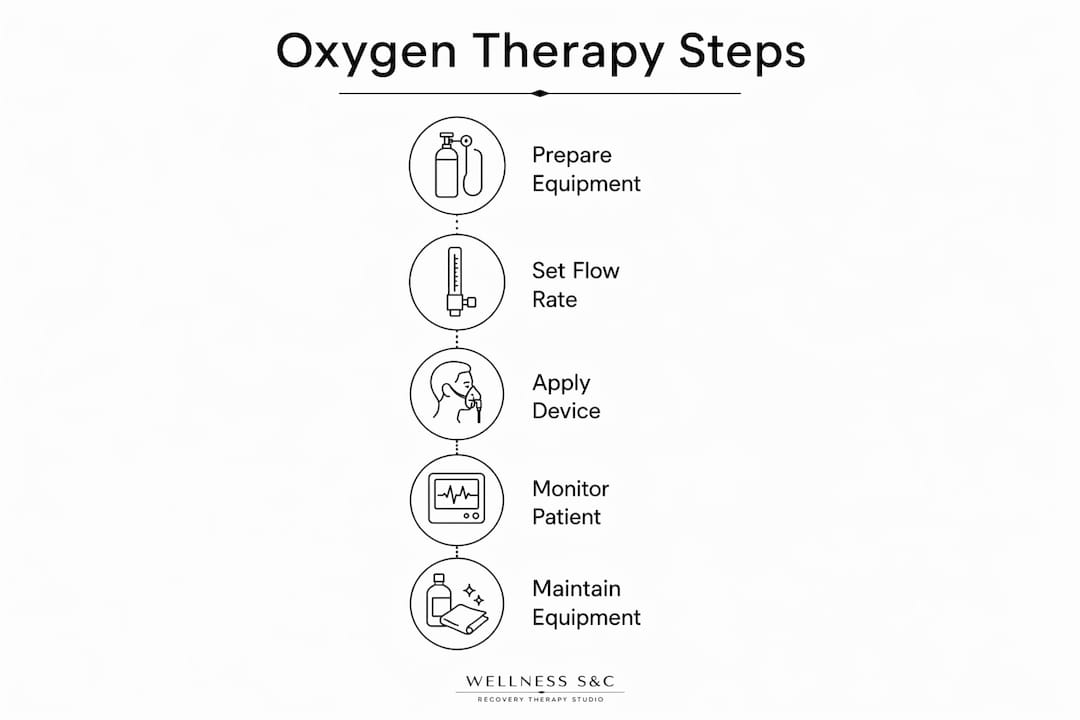
Following the correct sequence protects you and makes each session effective. The American Lung Association outlines a clear home-use procedure that applies whether you use a concentrator or a tank.
Pro Tip: Keep a small notebook near your equipment. Log your session start time, flow rate, and any symptoms. This record helps your provider adjust your prescription accurately over time.
Supplemental oxygen supports organ function by correcting low blood oxygen, but it does not cure the underlying condition. Think of it as a tool that keeps your body running well while your treatment plan addresses the root cause.
Oxygen is not flammable on its own, but it accelerates combustion dramatically. A spark near an oxygen source can cause a fire to ignite far faster than normal. The safety rules below are non-negotiable.
For equipment maintenance, replace your nasal cannula every two to four weeks or sooner if it becomes discolored or stiff. Clean tubing weekly with mild soap and water, then rinse thoroughly and allow it to air dry completely before reuse. Change the water in your humidifier bottle daily and use distilled water only. Tap water introduces minerals and bacteria into the system.
“Patients should adhere to prescribed oxygen settings and contact their provider before making any changes. Adjusting flow rate based on how you feel, without clinical guidance, is one of the most common and preventable errors in home oxygen therapy.” — NHS Worcestershire Acute Hospitals
Recognizing warning signs early prevents serious complications. Contact your healthcare provider if you experience warning signs of pneumonia such as worsening shortness of breath, chest pain, or fever during your therapy period. For patients managing heart conditions alongside oxygen therapy, following home safety guidance after heart failure adds an important layer of protection.
Not all oxygen therapy looks the same. Two specialized forms serve very different purposes, and knowing which applies to you matters.
| Feature | Ambulatory Oxygen | Hyperbaric Oxygen Treatment |
|---|---|---|
| Setting | Portable, used during activity | Pressurized chamber, clinical setting |
| Oxygen concentration | Standard supplemental oxygen | 100% pure oxygen |
| Pressure | Atmospheric | Elevated (above atmospheric) |
| Primary use | Mobility support for active patients | Wound healing, decompression sickness, CO poisoning |
| Session duration | Varies with activity | Defined clinical protocols |
Ambulatory oxygen therapy is prescribed specifically for use during physical activity. Ambulatory oxygen is not intended for resting use. Wearing it while sitting still wastes your supply and provides no therapeutic benefit. Turn the cylinder off when you stop moving, and always plan refills before you run low.
Hyperbaric oxygen treatment (HBOT) works on a completely different principle. HBOT delivers 100% oxygen inside a pressurized chamber, which forces oxygen into the bloodstream at concentrations impossible to achieve through standard supplemental therapy. Clinicians use it to treat decompression sickness in divers, carbon monoxide poisoning, and chronic non-healing wounds. HBOT requires defined dosing protocols and close monitoring because oxygen at elevated pressure acts as a pharmacologic agent with its own therapeutic index and risk profile.
For those exploring oxygen intake for wellness and performance, understanding the distinction between standard supplemental therapy and HBOT helps you have more informed conversations with your provider. Standard therapy corrects hypoxemia. HBOT treats specific acute and chronic conditions under medical supervision.
In acute hospital settings, high-flow oxygen starts at 10–15 liters per minute via a non-rebreather mask when blood oxygen saturation drops below 85%. That level of intervention requires individualized monitoring and a formal weaning plan. It is a reminder that oxygen therapy always needs to be matched to the patient’s actual condition, not guessed at.
The oxygen therapy procedure is most effective when you follow prescribed settings exactly, maintain your equipment consistently, and recognize when to escalate to a specialist or specialized form like HBOT.
| Point | Details |
|---|---|
| Follow prescribed flow rates | Never adjust your liter-per-minute setting without direct guidance from your provider. |
| Verify flow before each session | Use the bubble test in a glass of water to confirm oxygen is flowing before you begin. |
| Maintain equipment weekly | Replace cannulas every 2–4 weeks and use distilled water in humidifiers daily. |
| Know your therapy type | Ambulatory oxygen is for activity only; HBOT requires a clinical setting and dosing protocol. |
| Oxygen treats symptoms, not causes | Supplemental oxygen corrects low blood oxygen but works best as part of a broader care plan. |
I have seen people make real progress with oxygen therapy, then plateau or backslide for one reason: they start adjusting their own flow rate. It feels logical. You feel short of breath, so you turn it up. You feel fine, so you turn it down. The problem is that oxygen saturation targets are set by your provider based on your specific condition, not on how you feel in the moment. Subjective breathing sensations are unreliable guides for dosing.
The other thing I notice is that people treat oxygen therapy as a standalone fix. It works best when it is part of a broader plan. In Las Vegas, where the heat and dry air already stress your respiratory system, pairing oxygen therapy with recovery-focused practices makes a measurable difference. Staying hydrated, managing activity levels, and using complementary therapies like infrared sauna or red light therapy can support circulation and tissue recovery in ways that oxygen alone cannot.
My honest advice: communicate with your provider after every few weeks of therapy. Tell them what you are noticing, what feels off, and what is working. Individualized monitoring and adjustment plans are built into good oxygen therapy care. Use that system. It exists for a reason.
— Argjenta
If you are using oxygen therapy to support recovery or manage a chronic condition, the right complementary therapies can extend those benefits significantly.
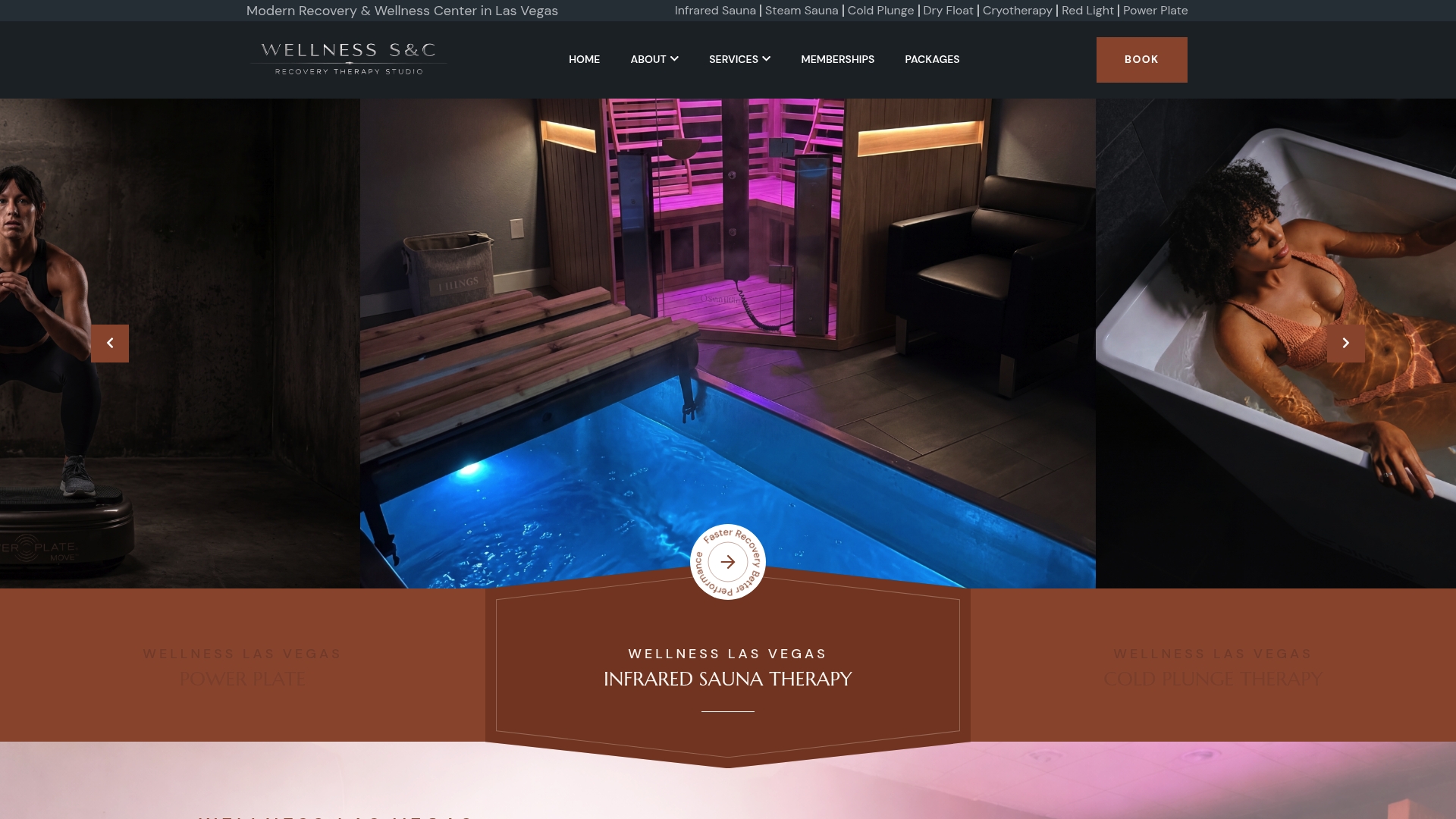
Wellnesslasvegas in Las Vegas offers infrared sauna sessions that improve circulation and support respiratory wellness through deep, penetrating heat. The facility also provides cryotherapy and contrast therapy, which reduce inflammation and accelerate tissue recovery after exertion. Red light therapy supports cellular repair and is a natural complement to oxygen-focused recovery protocols. Every service at Wellnesslasvegas is available in private rooms with professional guidance, so your plan stays personal and results-focused.
Oxygen therapy is the delivery of supplemental oxygen through a nasal cannula or face mask connected to a tank or concentrator. You set the flow rate as prescribed, verify flow with a bubble test, and breathe normally for the duration of your session.
Oxygen therapy raises blood oxygen levels, eases symptoms of COPD, cystic fibrosis, and heart failure, and supports organ function during recovery. It does not cure underlying conditions but significantly improves quality of life and activity tolerance.
Oxygen therapy for asthma is used during acute attacks when blood oxygen drops, but it is not a standard long-term treatment for asthma alone. A provider determines whether supplemental oxygen is appropriate based on measured blood oxygen saturation.
Common side effects include nasal dryness, skin irritation from the cannula, and headaches from improper flow rates. Using a humidifier and maintaining correct prescribed settings reduces most side effects significantly.
Hyperbaric oxygen treatment delivers 100% oxygen inside a pressurized chamber, forcing oxygen into the bloodstream at concentrations standard therapy cannot reach. It is used for specific conditions like wound healing and decompression sickness, not as a replacement for home supplemental oxygen.

