- Infrared Sauna Las Vegas | Cold Plunge & Cryotherapy

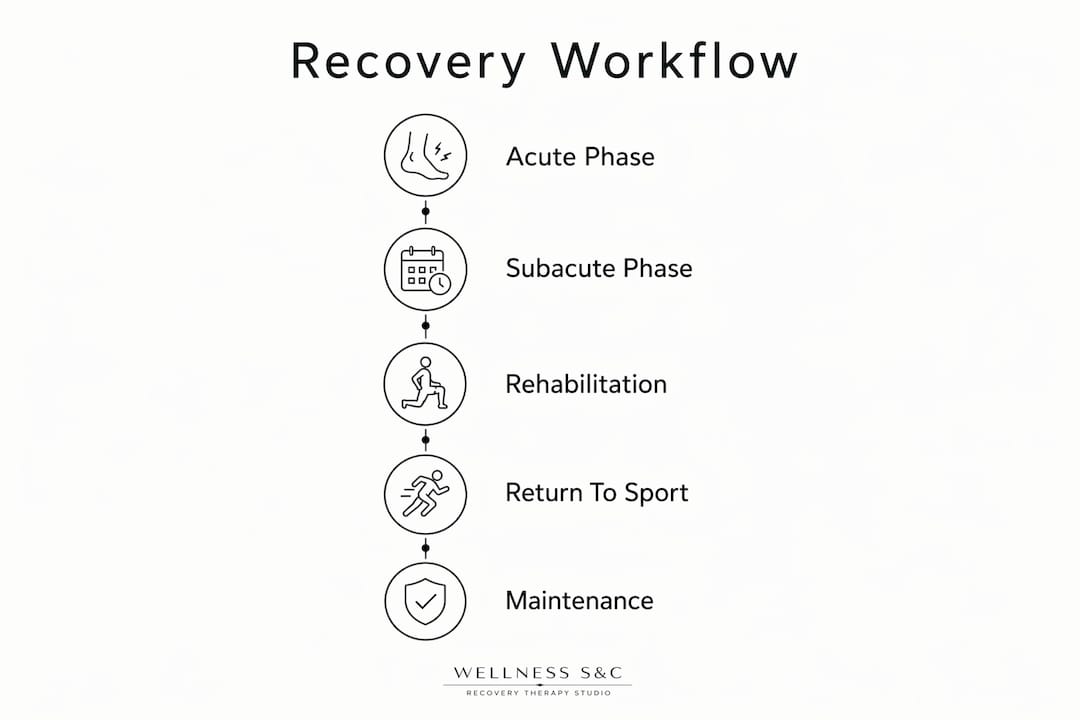
A strong injury recovery workflow is a structured, stage-based rehabilitation plan that moves you from acute protection through full performance restoration. It is not just about rest. The most effective plans combine the POLICE protocol (Protection, Optimal Loading, Ice, Compression, Elevation), the biopsychosocial rehabilitation model, and targeted wellness therapies to address every dimension of healing.
Key components of a complete recovery management system:
The POLICE protocol has largely replaced the older RICE method because it introduces Optimal Loading, which means controlled, pain-free movement rather than prolonged rest. That shift matters. Staying immobile beyond the acute phase can cause muscle atrophy and joint contractures, both of which slow recovery significantly.
Here is how each element works in practice:
Pro Tip: Pair cryotherapy or a cold plunge session with compression during the acute phase for faster swelling control.
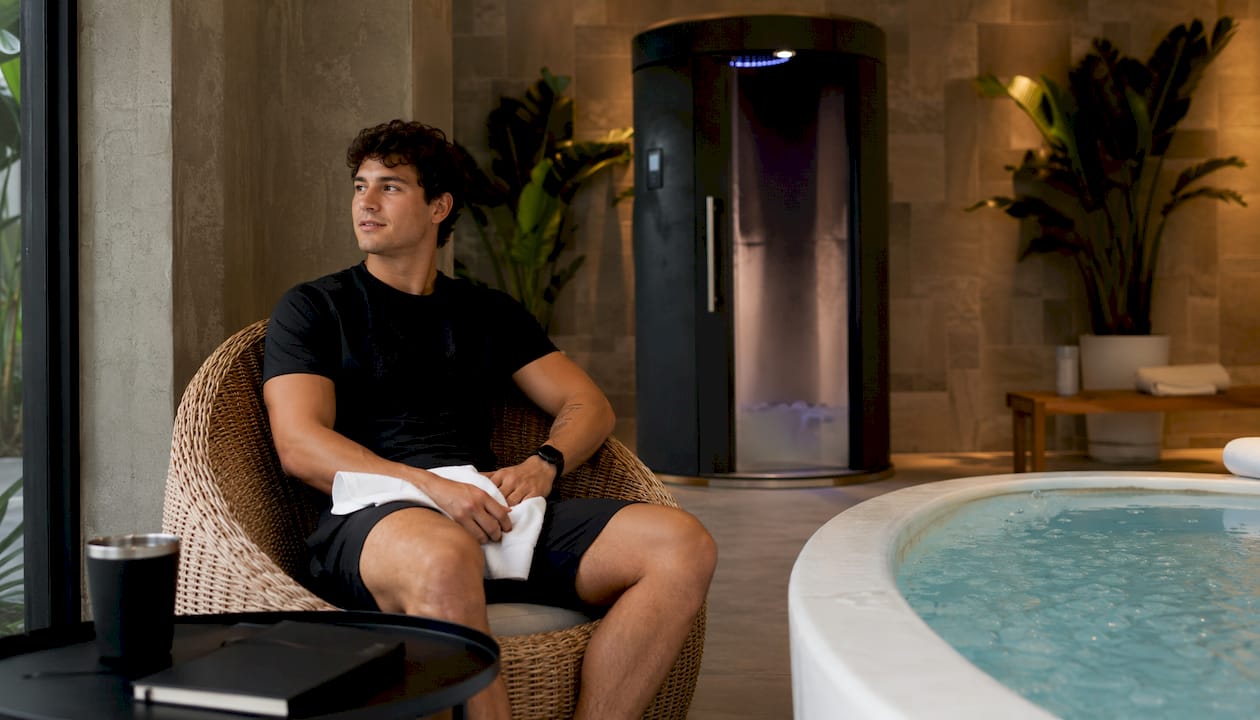
No two injuries respond the same way, which is why a one-size-fits-all approach rarely works. Your personalized rehab plan should account for injury type, severity, your fitness baseline, and your performance goals.
Effective personalization means layering therapies strategically. Infrared sauna supports circulation and tissue repair during the repair phase. Red light therapy stimulates cellular recovery. Cryotherapy manages inflammation acutely. Each modality has a window where it delivers the most benefit, and your physical therapy workflow should map those windows to your recovery stage.
Recovery follows four phases, and progression is milestone-based, not calendar-based:
| Phase | Typical Timeline | Goal | Progress Signal |
|---|---|---|---|
| Acute | first 72 hours | Protect and reduce swelling | No sharp pain with basic movement |
| Repair | 3 days to several weeks | Restore mobility | Near pain-free movement, minimal swelling |
| Strengthening | several weeks to months | Rebuild strength and control | 80–90% strength vs. uninjured side |
| Return to Activity | several months | Resume sport or full function | Sport-specific movements feel controlled |
Premature return to full activity carries the risk of re-injury, often occurring when patients feel better but tissue healing remains incomplete. It is important to progress cautiously to avoid setbacks.
Therapy selection depends on injury type, phase, and severity. A few clear guidelines:
The biopsychosocial approach to therapy selection also considers stress levels and sleep quality, both of which directly affect healing speed.
Mental and emotional recovery is not optional. Fear of re-injury, frustration with slow progress, and loss of athletic identity are real barriers that affect how consistently you follow your physical therapy workflow. The WHO defines rehabilitation as enabling full participation in work, recreation, and daily life, and that definition explicitly includes psychological readiness.
Set small weekly milestones. Walking without a limp, completing every session, or adding five degrees of range of motion are all wins worth tracking. Each one rebuilds the confidence your body needs to return safely.
Multidisciplinary teams typically include a physician, physical therapist, and wellness specialist working from a shared plan. That coordination prevents conflicting advice and closes the gaps where athletes tend to stall. Patient and caregiver education within this team reduces the risk of secondary complications and builds the self-management skills you need after formal therapy ends.
For Las Vegas athletes, adding a wellness spa specialist to that team gives you access to science-backed recovery methods that complement clinical care without replacing it.
Facility quality shapes consistency, and consistency drives outcomes. Private treatment rooms, clean equipment, and on-demand scheduling remove the friction that causes people to skip sessions. Las Vegas offers year-round access to wellness facilities with infrared sauna, cryotherapy, cold plunge, and red light therapy, all of which complement a structured rehabilitation protocol without requiring a clinical referral.
Heat and dry air in Las Vegas can increase dehydration during recovery, so hydration management is a practical local consideration worth building into your plan.
Faster recovery without the clinical wait times. Wellnesslasvegas gives Las Vegas athletes and health-focused locals direct access to infrared sauna, cryotherapy, cold plunge, red light therapy, and Power Plate training, all in private rooms with no long-term commitment required.
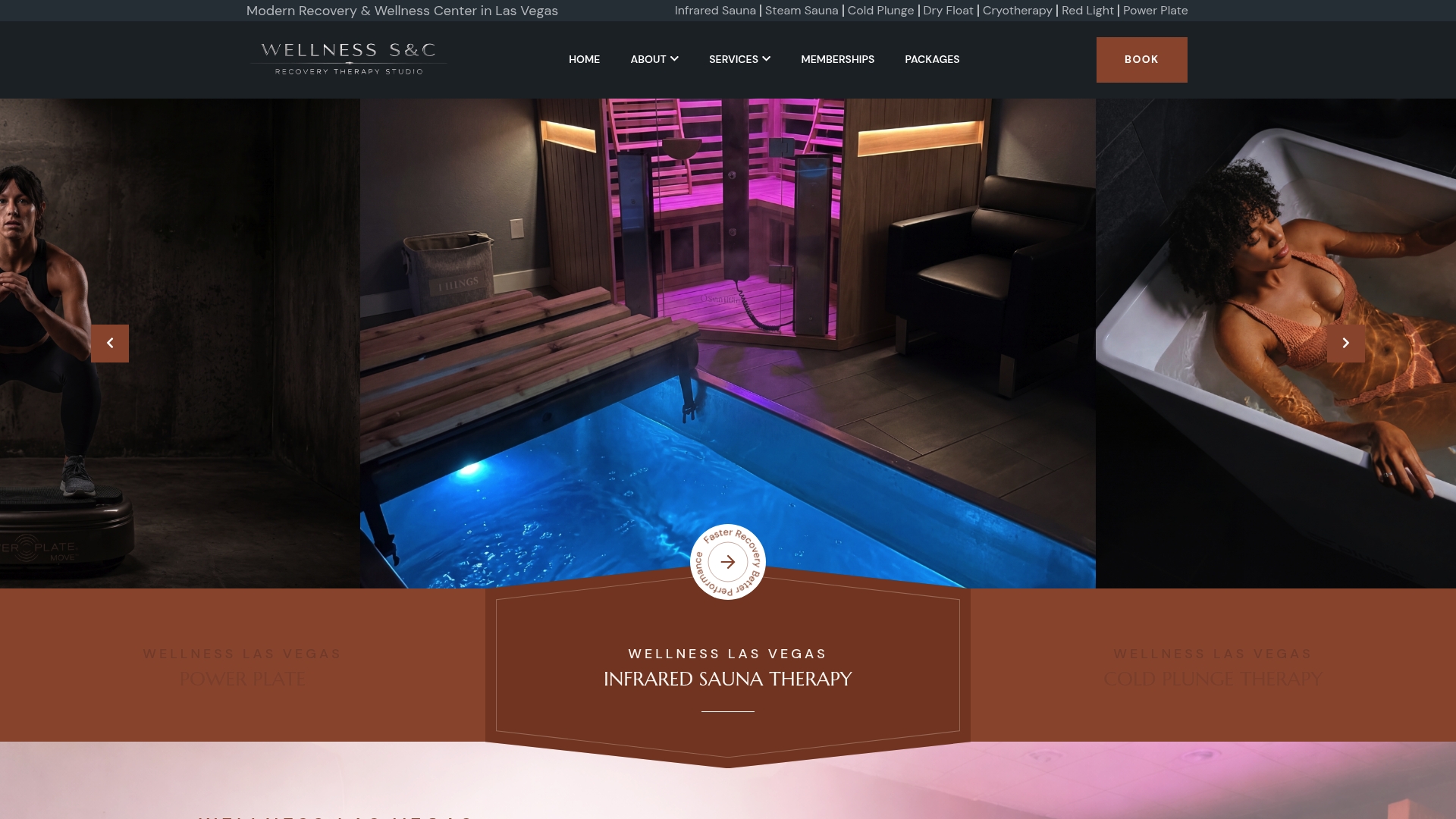
Each session is designed to slot into your existing recovery plan, whether you are in the acute phase managing swelling or in the strengthening phase rebuilding performance. Book your first session at Wellnesslasvegas and give your body the support it needs to come back stronger.
An effective injury recovery workflow combines the POLICE protocol, milestone-based progression, biopsychosocial support, and targeted wellness therapies to restore function and prevent re-injury.
| Point | Details |
|---|---|
| POLICE over RICE | Optimal Loading replaces prolonged rest to prevent stiffness and speed tissue repair. |
| Milestone-based progression involves advancing phases based on functional recovery markers like improved strength relative to the uninjured side, rather than strictly by calendar time. | |
| Mental health matters | Rebuilding confidence and managing fear of re-injury are clinical milestones, not extras. |
| Therapy selection by phase | Match modalities to injury stage: cold acutely, infrared sauna and red light in repair and strengthening. |
| Wellnesslasvegas | Offers infrared sauna, cryotherapy, cold plunge, and red light therapy in Las Vegas to complement any rehab plan. |
POLICE stands for Protection, Optimal Loading, Ice, Compression, and Elevation. It replaces the older RICE method by encouraging early controlled movement to reduce stiffness and accelerate healing.
Most injuries progress through multiple phases depending on severity. Progression is milestone-based rather than time-based, using functional recovery markers as readiness indicators.
Cold therapies like cryotherapy work best in the first 48 hours to manage inflammation. Infrared sauna and red light therapy are most effective during the repair and strengthening phases to support circulation and tissue repair.
Psychological readiness, including confidence and reduced fear of movement, is a clinical milestone alongside physical recovery. The biopsychosocial model treats emotional and social factors as direct influences on healing outcomes.
Yes. Wellnesslasvegas offers infrared sauna, cryotherapy, cold plunge, and red light therapy in Las Vegas with no referral required, making it easy to add evidence-supported therapies to any stage of your recovery plan.

