- Infrared Sauna Las Vegas | Cold Plunge & Cryotherapy

Relaxation after injury is defined as a deliberate combination of physical support, nervous system calming, and graded movement that together reduce pain and accelerate tissue repair. It goes well beyond lying still on the couch. The NHS, Hazelden Betty Ford, and Touchstone Recovery Center all confirm that structured relaxation techniques, including mindfulness, positioning, and breathing exercises, produce measurable improvements in recovery outcomes. Whether you sprained an ankle on a Las Vegas hiking trail or strained a shoulder at the gym, knowing how to relax after injury with purpose makes a real difference in how fast and how fully you heal.
Physical relaxation after injury starts with managing swelling and reducing mechanical irritation to the damaged tissue. These two factors drive most of the pain and tension you feel in the first 24 to 72 hours.
Ice application is one of the most reliable early tools. Apply ice for 10 to 15 minutes every four to six hours using a towel barrier between the pack and your skin. Direct contact causes ice burns, which add a new injury on top of the original one. Consistent icing in that window reduces swelling without damaging tissue.
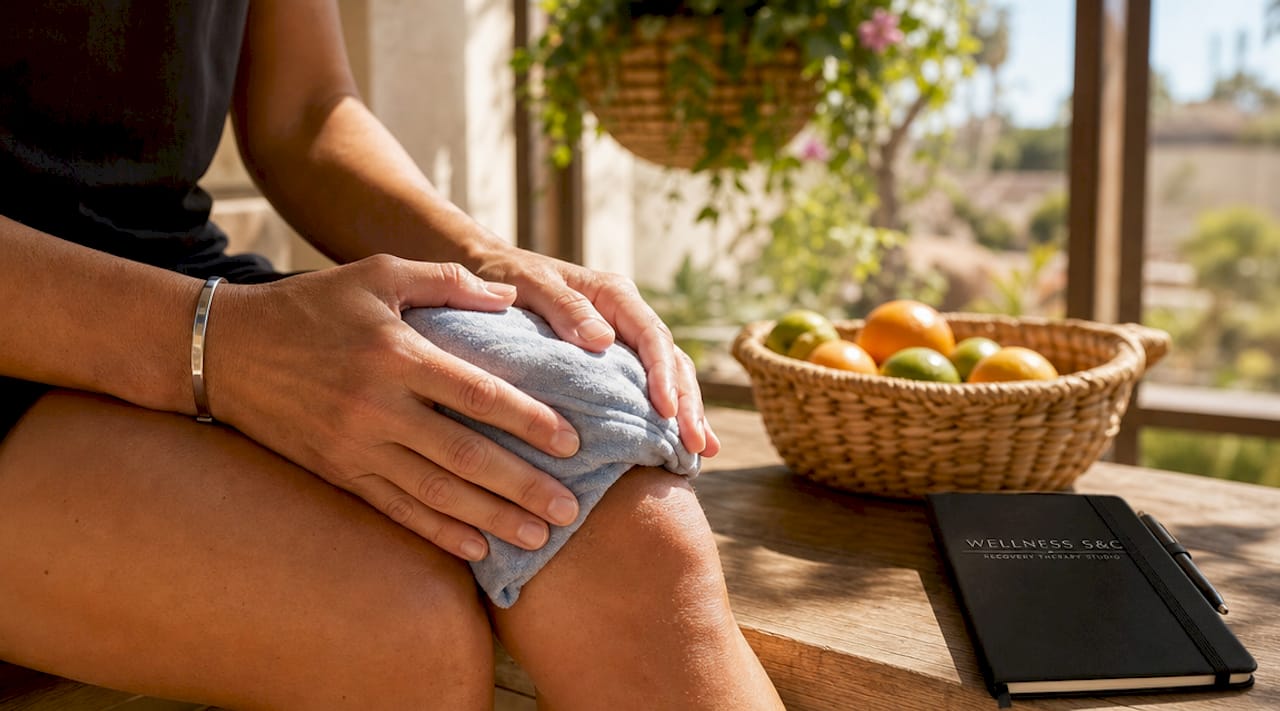
Positioning matters more than most people realize. Elevating and offloading injured limbs with pillows or foam supports reduces tissue stress and creates the physical stillness your nervous system needs to shift into a calmer state. A sprained ankle propped above heart level drains fluid away from the joint. A strained shoulder resting on a supportive pillow stops the constant low-grade muscle guarding that keeps you tense.
Here are the core physical strategies to apply in the early phase of recovery:
Pro Tip: Monitor your pain on a simple 0 to 10 scale before and after each position change. If pain increases by more than two points and stays elevated, adjust your positioning before doing anything else.
For more on cold therapy for recovery, including timing and application methods, the Wellnesslasvegas blog breaks it down in practical detail.
Mental stress during injury recovery directly impairs physiological healing by triggering shallow breathing, which reduces circulation to damaged tissue. This is not a soft claim. Stress-induced shallow breathing measurably restricts blood flow, and blood flow is what delivers oxygen and nutrients to the repair site. Managing your mental state is not optional. It is part of the treatment.
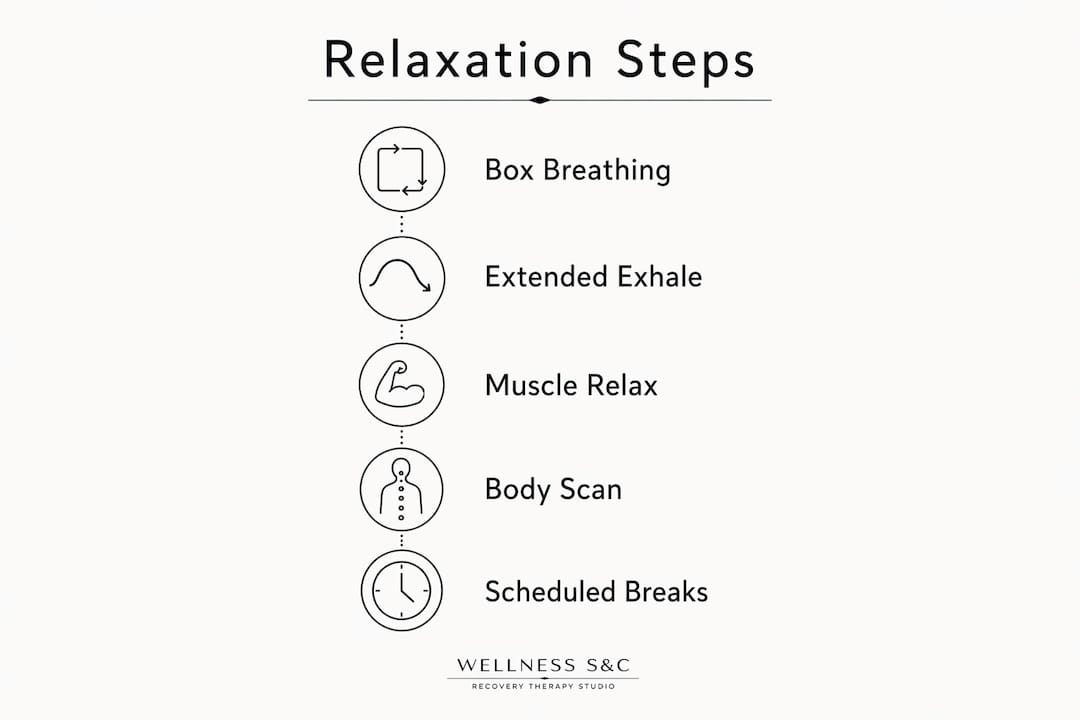
The good news is that box breathing and progressive muscle relaxation reduce stress within 10 to 20 minutes. These are not complicated practices. They require no equipment and no perfect environment. You can do them in bed, in a chair, or in a waiting room.
Here is a structured sequence of mindfulness techniques for injury recovery, ordered from quickest to most involved:
For a broader look at mindfulness practices for health, Amrita Yoga & Wellness offers seven concrete examples that translate well into a recovery context.
Pro Tip: Schedule your relaxation breaks at fixed times, such as 9 a.m., 1 p.m., and 8 p.m., rather than waiting until you feel stressed. Consistency is what resets the nervous system over time, not intensity.
Complete rest feels intuitive after an injury, but excessive rest delays recovery by reducing circulation and increasing stiffness. The tissue around an injury needs gentle movement to receive nutrients and remove waste products. Staying completely still creates a cycle where stiffness increases pain, which increases fear of movement, which increases stiffness further.
Graded movement breaks that cycle. The goal is not exercise. It is controlled, pain-monitored motion that tells your nervous system the area is safe. A gentle ankle circle, a slow shoulder roll, or a short walk with a supportive boot all count. The key rule is that pain during movement should stay below a five out of ten and return to baseline within 30 minutes of stopping.
The table below compares the effects of complete rest versus graded movement during injury recovery:
| Factor | Complete rest | Graded movement |
|---|---|---|
| Circulation to injury site | Reduced | Maintained or improved |
| Stiffness over time | Increases | Decreases |
| Pain sensitivity | Often increases | Gradually decreases |
| Psychological anxiety | Tends to rise | Tends to fall |
| Recovery timeline | Typically longer | Typically shorter |
Mobility aids like walking boots, crutches, or supportive braces serve an important function here. They allow you to move without overloading the injured structure. Using a walking boot after a foot injury, for example, lets you walk short distances and maintain circulation without putting full weight through the damaged tissue. That movement also reduces the mental tension that comes from feeling completely immobile.
For practical guidance on graded movement after injury, the Wellnesslasvegas blog covers specific protocols for common injuries.
Sleep is the body’s primary repair window. Growth hormone release, immune activity, and tissue regeneration all peak during deep sleep. Targeting seven to nine hours of quality sleep is not a luxury during recovery. It is a clinical priority.
The challenge is that injury pain and anxiety often disrupt sleep at exactly the time you need it most. A consistent wind-down routine addresses this directly. Here is what works:
The connection between sleep and relaxation runs in both directions. Better sleep reduces pain sensitivity the next day, which makes daytime relaxation techniques more effective. And better daytime relaxation, through breathing and mindfulness, makes it easier to fall and stay asleep. Building both sides of this cycle is one of the most underused strategies in injury recovery.
Effective relaxation after injury requires combining physical support, mental calm, and graded movement rather than relying on rest alone.
| Point | Details |
|---|---|
| Ice and positioning first | Apply ice with a barrier for 10 to 15 minutes and elevate the injured area to reduce swelling and irritation. |
| Mindfulness reduces healing time | Box breathing and progressive muscle relaxation lower stress hormones that restrict blood flow to injured tissue. |
| Movement beats complete rest | Graded, pain-monitored activity maintains circulation, reduces stiffness, and shortens recovery timelines. |
| Sleep is active recovery | Seven to nine hours with a consistent wind-down routine accelerates tissue repair and lowers pain sensitivity. |
| Schedule relaxation deliberately | Fixed daily relaxation breaks sustain nervous system balance better than waiting until stress peaks. |
From working alongside recovery-focused clients in Las Vegas, one pattern stands out clearly. The people who recover fastest are not the ones who rest the most. They are the ones who treat relaxation as a skill they practice daily, not a state they fall into by accident.
Positioning is the most underestimated tool in the early phase. I have seen clients reduce their pain scores significantly just by learning to prop an injured shoulder correctly at night. That single change reduces the constant low-level muscle guarding that keeps the nervous system on alert, and once that guarding drops, breathing deepens, sleep improves, and the whole recovery accelerates.
Las Vegas has real resources for this. Infrared sauna, contrast therapy, and dry float therapy are not spa indulgences. They are tools that support the same physiological goals as the techniques in this article, specifically reducing inflammation, improving circulation, and calming the nervous system. I recommend pairing the at-home strategies here with professional recovery sessions, especially in the two to four week window when tissue is remodeling and relaxation has the most impact on outcomes.
The mental side is where most people lose ground. Anxiety about re-injury, frustration with slow progress, and negative self-talk all increase cortisol, which directly slows healing. Setting small, achievable daily goals, like completing one five-minute breathing session or taking a short supported walk, builds momentum and keeps the nervous system out of a chronic stress state. Celebrate those small wins. They are not trivial. They are the mechanism of recovery.
— Argjenta
Wellnesslasvegas offers recovery therapies in Las Vegas that directly support the relaxation techniques covered in this article. Infrared sauna therapy promotes deep muscle relaxation, reduces tension, and improves circulation to injured tissue, making it one of the most effective tools for the two to four week recovery window. For those dealing with inflammation and swelling, contrast therapy with cold plunge and sauna alternates temperature exposure to drive circulation and reduce tissue irritation. Both services are available in private rooms with professional guidance. Book a session and build a recovery plan that works alongside everything you are already doing at home.
Relaxation after injury combines physical strategies like ice, elevation, and positioning with mental techniques like box breathing and progressive muscle relaxation. Short relaxation practices reset the nervous system and can be repeated throughout the day without special equipment.
Box breathing, extended exhale breathing, progressive muscle relaxation, and body scan meditation are the most evidence-backed options. Hazelden Betty Ford and Touchstone Recovery Center both recommend these practices for their speed and accessibility during recovery.
Complete rest is not recommended beyond the first 24 to 48 hours for most soft tissue injuries. Gentle, pain-monitored movement maintains circulation and prevents stiffness, both of which support faster healing and lower pain levels.
Stress triggers shallow breathing, which reduces blood flow to injured tissue and slows repair. Managing stress through relaxation therapy methods is a direct intervention in the healing process, not just a comfort measure.
Seven to nine hours of quality sleep per night is the target during injury recovery. Consistent sleep timing and a wind-down routine that includes dim lighting and breathing exercises improve both sleep depth and tissue repair rates.

