- Infrared Sauna Las Vegas | Cold Plunge & Cryotherapy

Holistic wellness is defined as a multi-dimensional, person-centered approach to health that integrates physical, mental, emotional, social, and spiritual well-being into one unified framework. Rather than treating isolated symptoms, it addresses the root causes of imbalance across every area of your life. This whole-person health model is gaining serious traction in 2026, especially among athletes, busy professionals, and health-conscious residents in Las Vegas who want more than a quick fix. If you have ever felt physically fine but emotionally drained, you already understand why this approach matters.
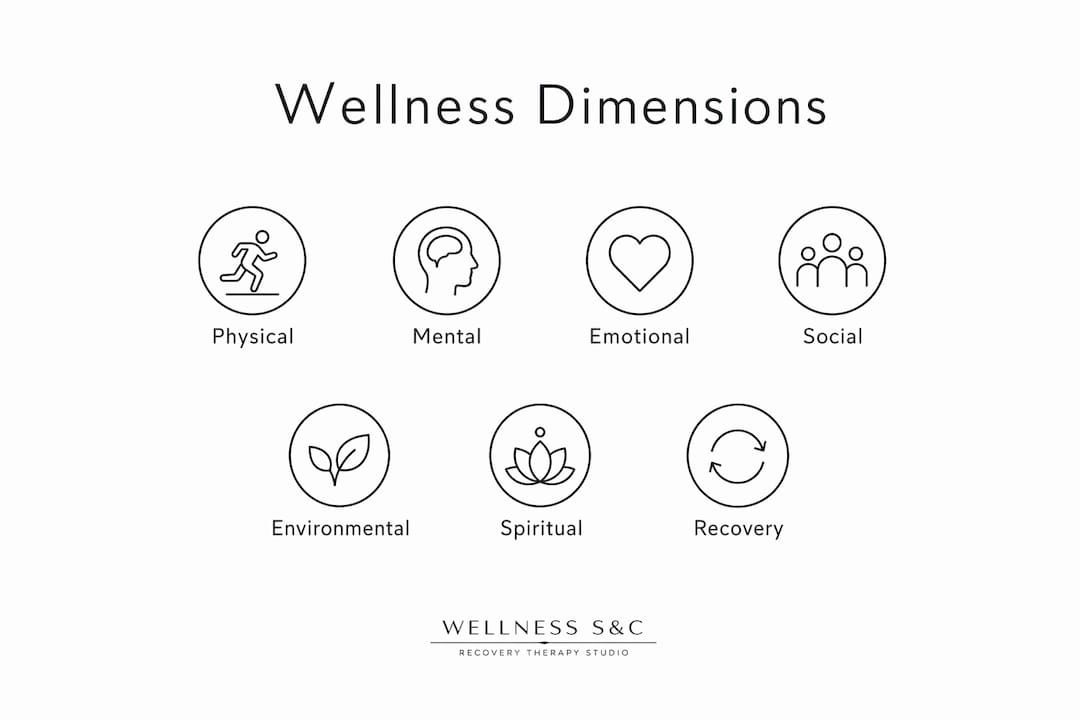
Holistic wellness integrates physical, mental, emotional, social, environmental, and spiritual dimensions to treat the whole person. Most frameworks address five to seven distinct dimensions, each one influencing the others in ways that conventional care rarely maps. Understanding these dimensions is the first step toward building a health strategy that actually holds up over time.
| Dimension | What it covers |
|---|---|
| Physical | Exercise, nutrition, sleep, and recovery |
| Mental | Cognitive function, focus, and stress management |
| Emotional | Self-awareness, resilience, and mood regulation |
| Social | Relationships, community, and support networks |
| Spiritual | Purpose, meaning, and personal values |
| Environmental | Your surroundings, air quality, and daily spaces |
| Intellectual | Curiosity, learning, and creative engagement |

These dimensions do not operate in isolation. Poor sleep degrades emotional regulation. Chronic stress suppresses immune function. Weak social ties correlate with faster cognitive decline. The holistic health definition captures this interconnection precisely: it is a framework focused on creating health factors, not just preventing disease.
Pro Tip: Start with the dimension that feels most neglected right now. Improving sleep quality by even 30 minutes a night often produces noticeable gains in mood, focus, and physical recovery within two weeks.
Adopting a whole-person health approach produces measurable improvements across multiple areas of life. Regular physical activity and mindfulness lower the risk of chronic diseases and strengthen emotional resilience. That means fewer sick days, better mental clarity, and a stronger foundation for handling the daily pressures that come with living and working in a city like Las Vegas.
The core benefits include:
NIH-confirmed mind-body practices like meditation, yoga, and controlled breathing reduce stress hormones and improve mood. These are not fringe therapies. They are evidence-backed tools that work alongside conventional care.
“Holistic wellness is often misunderstood as requiring radical lifestyle changes. In reality, it is a flexible, individualized framework focused on prevention and sustainable balance.” — Dietium Wellness Education
One underappreciated benefit is the breaking of negative feedback loops. Chronic stress causes poor sleep, which drives inactivity, which deepens stress. Addressing root causes rather than individual symptoms interrupts these cycles at their source.
Practical wellness does not require a complete overhaul of your routine. Integrative medicine combines conventional and complementary therapies tailored to individual needs, including meditation, yoga, nutrition counseling, and standard medical treatment. The goal is a personalized plan that fits your life, not someone else’s ideal.
Here is a realistic starting framework for Las Vegas residents:
Physical fitness, nutrition, sleep, and social connection are the foundational holistic wellness practices, and most of them are low or no cost. The expensive part is not the practices themselves. It is the time and consistency they require.
Pro Tip: Map one week of your habits across the seven wellness dimensions using a simple journal or notes app. Patterns become obvious fast, and you will know exactly where to focus first rather than guessing.
For a deeper look at building a plan that fits your specific lifestyle, the personalized wellness process at Wellnesslasvegas walks through how to structure this step by step.
Conventional medicine focuses on symptoms, while a whole-person approach addresses root causes and involves you as an active participant in your own health. This is not a criticism of conventional care. It is a recognition that symptom management and root-cause prevention serve different purposes and work best together.
| Area | Conventional approach | Holistic approach |
|---|---|---|
| Focus | Diagnosing and treating symptoms | Identifying root causes across all dimensions |
| Patient role | Passive recipient of treatment | Active participant in health decisions |
| Treatment scope | Primarily pharmaceutical or surgical | Combines medical, lifestyle, and complementary therapies |
| Goal | Eliminate illness | Build sustained health and prevent disease |
| Personalization | Standardized protocols | Individualized plans based on lifestyle and values |
The most common misconception about why choose holistic wellness is that it means abandoning doctors and hospitals in favor of crystals and cleanses. That is not what the evidence supports. Personalized, prevention-focused plans improve patient engagement and satisfaction precisely because they work alongside conventional care, not against it.
Spiritual well-being, defined as a sense of personal meaning and connection, correlates with longevity and resilience according to NIH research. You do not need to belong to a religious tradition to access this benefit. Purpose-driven living, meaningful work, and strong values all qualify. This dimension is consistently undervalued in conventional care settings, which is one of the clearest arguments for a broader framework.
The transition to whole-person health requires you to shift from passive to active by mapping how your daily choices influence your well-being over time. That shift is the real difference. It is not about the therapies you choose. It is about the awareness you bring to every choice.
Holistic wellness works because it addresses the root causes of imbalance across physical, mental, emotional, social, and spiritual dimensions simultaneously, producing compounding health benefits that symptom-focused care cannot replicate.
| Point | Details |
|---|---|
| Multi-dimensional framework | Holistic wellness covers seven dimensions, each one directly influencing the others. |
| Root cause focus | Addressing causes rather than symptoms breaks negative health feedback loops. |
| Low-cost foundation | Sleep, movement, nutrition, and social connection form the core and cost little. |
| Active participation | You shift from passive patient to informed decision-maker in your own health. |
| Incremental progress | Small habit changes across one dimension create cascading improvements in others. |
Most people I talk to begin their wellness journey by shopping for the most dramatic intervention they can find. Cold plunge, fasting protocol, supplement stack. They skip the foundation entirely and wonder why nothing sticks.
What I have observed, both personally and through years of working with wellness-focused clients in Las Vegas, is that the biggest gains come from the least glamorous changes. Consistent sleep. Real food. Ten minutes of stillness each morning. These create the baseline stability that makes every other practice more effective.
Las Vegas is a genuinely unique environment for this work. The city runs on stimulation, late nights, and high performance. That makes the case for a whole-person approach stronger here than almost anywhere else. The people who thrive long-term are not the ones doing the most. They are the ones who have learned to recover as intentionally as they perform.
The other thing worth saying directly: you do not need to fix every dimension at once. Incremental habit changes improve multiple wellness dimensions sustainably. Pick one area, build one habit, and let the momentum carry you forward. That is not a compromise. That is the actual method.
For practical guidance on managing stress and building emotional resilience through evidence-backed techniques, the relaxation therapy methods resource from Wellnesslasvegas is worth your time.
— Argjenta
Wellnesslasvegas offers a range of science-backed therapies that directly support the physical and recovery dimensions of whole-person health. Infrared sauna sessions promote deep tissue recovery, improve circulation, and support detoxification. Cryotherapy treatments reduce inflammation, accelerate muscle recovery, and deliver a measurable mood boost through endorphin release. Red light therapy and cold plunge sessions round out a recovery toolkit built for athletes, professionals, and anyone serious about longevity. These therapies complement the lifestyle practices covered in this article, giving your body the physical recovery support it needs to sustain every other wellness dimension. Explore the Las Vegas wellness guide to find the right starting point for your goals.
Holistic health is an approach to well-being that treats the whole person across physical, mental, emotional, social, and spiritual dimensions rather than focusing only on symptoms. It combines lifestyle practices, mindset, and personalized care to address root causes of imbalance.
Daily holistic wellness practices include consistent sleep, balanced nutrition, physical movement, mindfulness or meditation, meaningful social connection, and intentional recovery. Most of these require no special equipment or expense.
Conventional medicine primarily diagnoses and treats symptoms, while holistic wellness identifies root causes and involves the patient as an active participant in prevention and long-term health. The two approaches work best when used together.
Yes. Evidence shows that regular physical activity and mindfulness lower the risk of chronic diseases and strengthen emotional resilience. NIH research also links strong spiritual well-being and sense of purpose to better long-term health outcomes.
Start by auditing your current habits across the seven wellness dimensions: physical, mental, emotional, social, spiritual, environmental, and intellectual. From there, identify the one area with the most room for improvement and build one consistent habit before adding more.

