- Infrared Sauna Las Vegas | Cold Plunge & Cryotherapy

Chronic pain relief methods are defined as the full range of medical and non-medical strategies used to reduce persistent pain and restore daily function. The UK’s NICE guidelines and the CDC both endorse multimodal approaches, meaning no single treatment works for everyone. Research confirms that exercise, nutrition, and mind-body therapies each play a distinct role in long-term pain management. For Las Vegas residents dealing with chronic pain, the good news is that effective, science-backed options are more accessible than ever.
Exercise is the only chronic pain treatment with strong evidence for both short and long-term benefits, according to NICE guidelines published in june 2026. That finding matters because it places movement above medication as the first-line recommendation for most chronic pain conditions. No specific exercise type is preferred, which means you have real flexibility in choosing what fits your life.
Low-impact movement options that work well for chronic pain include:
Enjoyment is not optional. People who dislike their chosen exercise quit within weeks. Choosing movement you actually look forward to is a clinical factor, not a preference. Las Vegas offers year-round indoor facilities, heated pools, and mild winters that make outdoor walking and cycling practical for most of the year.
Pro Tip: Pair a 20-minute walk with a short breathing exercise afterward. The combination activates your parasympathetic nervous system and compounds the pain-relief effect of movement alone.
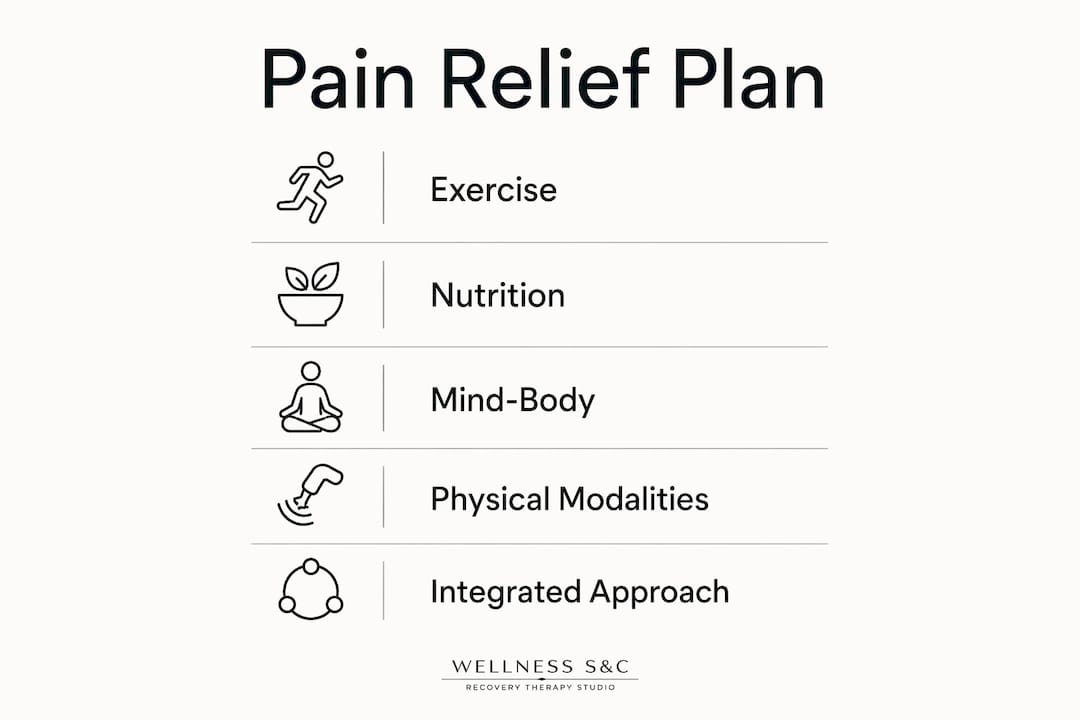
Nutrition is one of the most underused natural pain relief strategies, and the evidence is stronger than most people realize. Omega-3 supplements helped 59% of disc disease patients reduce their reliance on NSAIDs. That means more than half of participants in that group were able to cut back on anti-inflammatory medication through diet alone.
An anti-inflammatory eating pattern centers on a few consistent principles:
Las Vegas residents have access to year-round farmers markets and major grocery chains stocking omega-3 supplements and anti-inflammatory foods. Consistency matters more than perfection. Taking omega-3s daily for 8–12 weeks produces measurably different outcomes than sporadic use.
For more detail on reducing inflammation through diet, the evidence-based methods are worth reviewing before adding supplements.
Mind-body therapies address the part of chronic pain that medication cannot reach: the disability and distress that build up over months and years. Cognitive Behavioral Therapy (CBT) primarily reduces disability and distress related to chronic pain, influencing brain regions involved in pain modulation and coping. Pain sensation may decrease gradually as a secondary effect, not as the immediate goal.
Here is a realistic sequence for building a mind-body practice:
Pro Tip: If formal CBT feels out of reach right now, start with stress reduction techniques that calm the nervous system. These build the same mental habits CBT teaches, at your own pace.
Physical therapies are among the most practical home remedies for pain relief because most can be applied without a prescription or clinic visit. The key is matching the right modality to the right type of pain.

| Modality | Best for | Caution |
|---|---|---|
| Heat therapy | Stiff, guarded, or tight muscles and joints | Avoid on acute injuries or swollen areas |
| Cold therapy | Sharp, inflammatory, or swollen pain | Limit sessions to 15–20 minutes to protect skin |
| Massage and foam rolling | Muscle tension, guarding, and restricted movement | Does not alter tissue alignment or remove toxins |
| Red light therapy | Tissue recovery, nerve pain, and inflammation reduction | Requires consistent sessions for cumulative benefit |
| Infrared sauna | Deep muscle relaxation and circulation support | Stay hydrated; limit sessions if you have cardiovascular conditions |
Heat therapy best suits stiff or guarded tissues, while cold therapy targets sharp, inflammatory, or swollen pain areas. Applying the wrong one, such as heat on an acutely inflamed joint, can worsen symptoms. Knowing which to use is a practical skill that pays off immediately.
Massage, foam rolling, and manual therapy reduce muscle guarding and improve comfort, but their value is symptom relief and mobility improvement, not structural correction. That is still genuinely useful. Reduced muscle tension means better movement, and better movement supports the exercise habits that drive long-term recovery.
Red light therapy and infrared sauna are available locally through Wellnesslasvegas, which offers private sessions in a clean, professional environment. Red light therapy for pain relief works by penetrating tissue at specific wavelengths to reduce inflammation and support cellular repair. Research on its role in alternative recovery methods continues to grow.
Pro Tip: Contrast therapy, alternating between heat and cold exposure, is one of the most effective ways to drive circulation and reduce post-activity soreness. A session at Wellnesslasvegas combining infrared sauna with a cold plunge delivers this effect in a controlled, guided setting.
The most effective approach to chronic pain management combines three layers: foundational daily habits, nervous system regulation, and body-based therapies. Effective chronic pain management requires stabilizing foundational daily habits before pursuing advanced technologies. Skipping the foundations and jumping straight to red light therapy or contrast therapy produces weaker results.
A practical integrated plan looks like this:
A holistic treatment plan integrates all three layers rather than treating them as separate options. Progress tracking matters too. Rate your pain and function weekly on a simple 1–10 scale. If a strategy is not producing any change after 4–6 weeks, adjust it rather than abandoning the plan entirely.
Time spent in nature provides small to moderate levels of chronic pain relief, supported by a meta-analysis of 62 studies from 21 countries. Las Vegas has accessible parks, trails, and outdoor spaces that make this a realistic addition to any plan. Even 20 minutes outdoors three times per week contributes measurably.
The most effective approach to chronic pain relief combines foundational daily habits, nervous system regulation, and targeted body therapies applied in that order.
| Point | Details |
|---|---|
| Exercise comes first | NICE guidelines confirm exercise has the strongest evidence for both short and long-term chronic pain relief. |
| Nutrition reduces medication reliance | Omega-3 supplements helped 59% of disc disease patients cut back on NSAIDs in clinical findings. |
| CBT targets disability, not just pain | Cognitive Behavioral Therapy reduces distress and disability gradually through consistent, repeated practice. |
| Match physical modalities to pain type | Use heat for stiff tissues and cold for inflamed or swollen areas to avoid worsening symptoms. |
| Build in layers | Stabilize sleep, movement, and nutrition before adding advanced therapies like red light or contrast treatment. |
People come to wellness facilities expecting technology to do the heavy lifting. They want the infrared sauna or the red light session to fix what years of poor sleep and inactivity built. I understand that impulse completely. Advanced therapies feel active and concrete in a way that “eat more fish and go for a walk” does not.
But the pattern I see consistently is this: the people who get lasting relief are the ones who sorted out their sleep and movement first. The therapies then amplify results that are already building. For people who skip the foundations, even the best equipment produces temporary relief at best.
The other thing I notice is that mindset shifts take longer than people expect. CBT and mindfulness feel slow and abstract compared to a cold plunge or a massage. But they address the central nervous system component of chronic pain, which is often the reason pain persists long after an injury has healed. Skipping that layer leaves a significant part of the problem untreated.
Las Vegas has genuinely good wellness infrastructure. The challenge is using it strategically rather than randomly. A session here and there without a consistent plan is like taking antibiotics for two days and stopping. The dose and the consistency are what produce the outcome.
Start with what you can control daily. Build from there. The advanced tools will work better when you do.
— Argjenta
Wellnesslasvegas offers a full range of body-based therapies that fit directly into a structured pain management plan. Infrared sauna sessions in Las Vegas deliver deep heat that relaxes guarded muscles, supports circulation, and promotes recovery without the joint stress of exercise. Red light therapy at Wellnesslasvegas targets inflammation and tissue repair at the cellular level, making it a strong complement to the nervous system and nutritional strategies covered above.
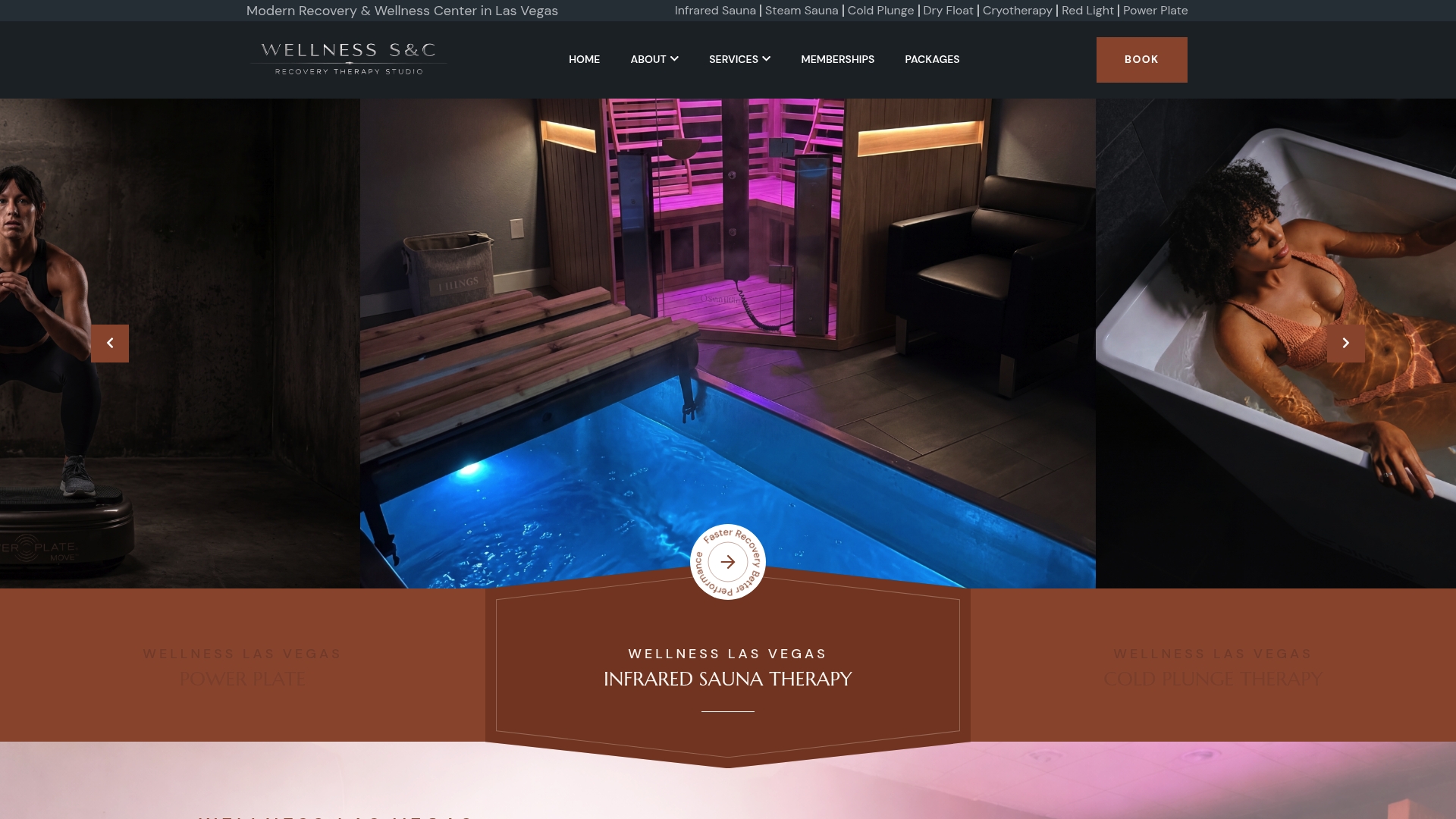
For people ready to add contrast therapy, the facility’s cold plunge and sauna combination drives circulation and reduces post-activity soreness in a single session. Private rooms, professional equipment, and a clean environment make it easy to show up consistently, which is exactly what long-term pain relief requires. Book a session or ask about wellness packages designed to support your recovery plan.
Exercise is the only chronic pain treatment with strong evidence for both short and long-term benefits, according to NICE guidelines. No single exercise type is required, so choose movement you can sustain consistently.
Yes. Omega-3 supplements helped 59% of disc disease patients reduce their NSAID usage in clinical findings. An anti-inflammatory diet centered on fatty fish, vegetables, and olive oil supports this effect over time.
CBT requires consistent, repeated engagement over several weeks before producing measurable reductions in pain-related disability and distress. Most people notice meaningful change after 6–8 weeks of regular practice.
It depends on the type of pain. Heat suits stiff, guarded, or tight tissues, while cold therapy works better for sharp, inflammatory, or swollen areas. Applying the wrong one can worsen symptoms.
Wellnesslasvegas offers infrared sauna, red light therapy, cryotherapy, cold plunge, contrast therapy, and dry float therapy. These body-based treatments work best as part of a layered plan that includes exercise, nutrition, and nervous system regulation.

